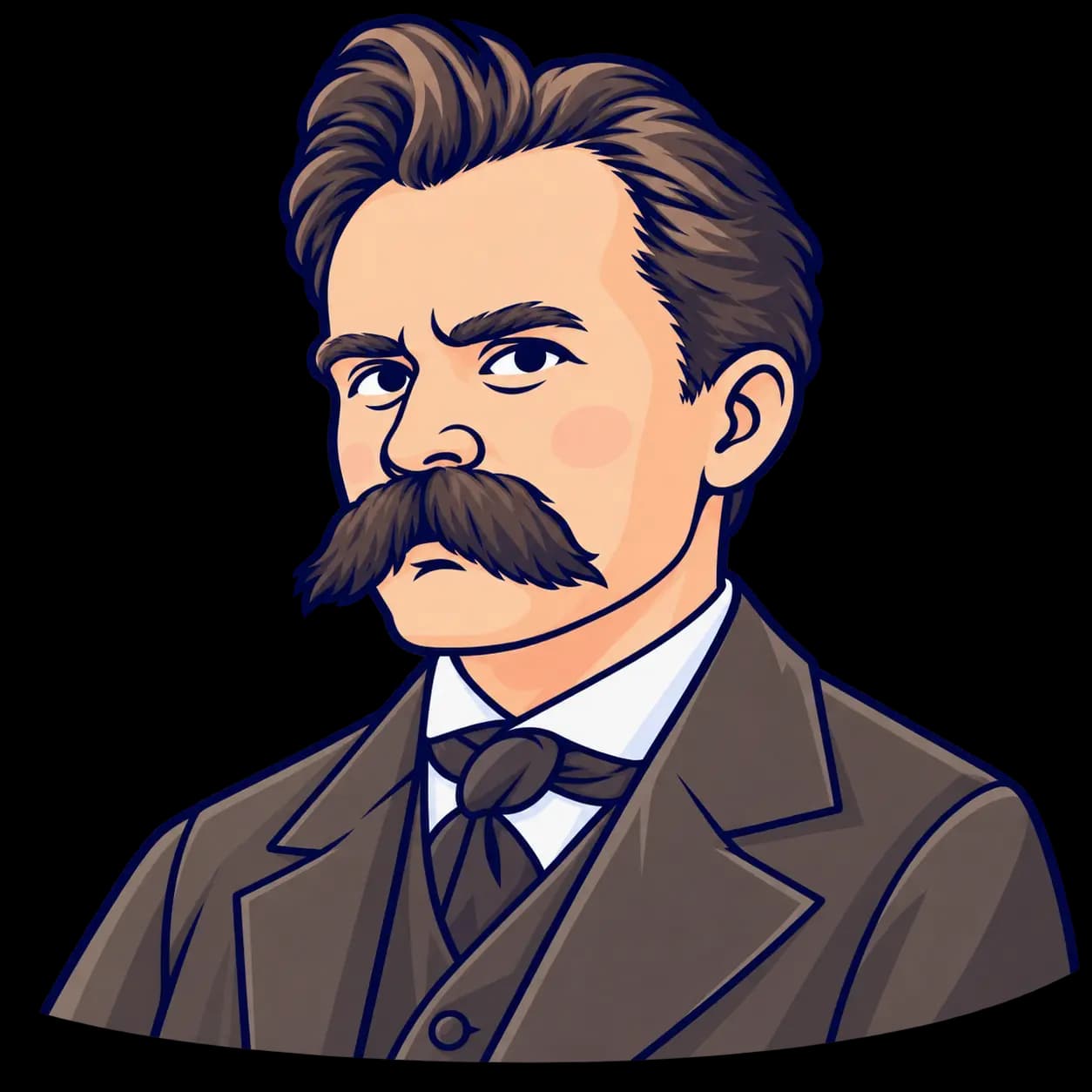
Friedrich Nietzsche
Germany · 1844–1900
A philosopher who sharply reexamined morality, weakness, the will to power, and self-overcoming.
Thinker engines
Start with included models, then add classics from ethics and intellectual history with Plus.
Free
Germany · 1844–1900
A philosopher who sharply reexamined morality, weakness, the will to power, and self-overcoming.
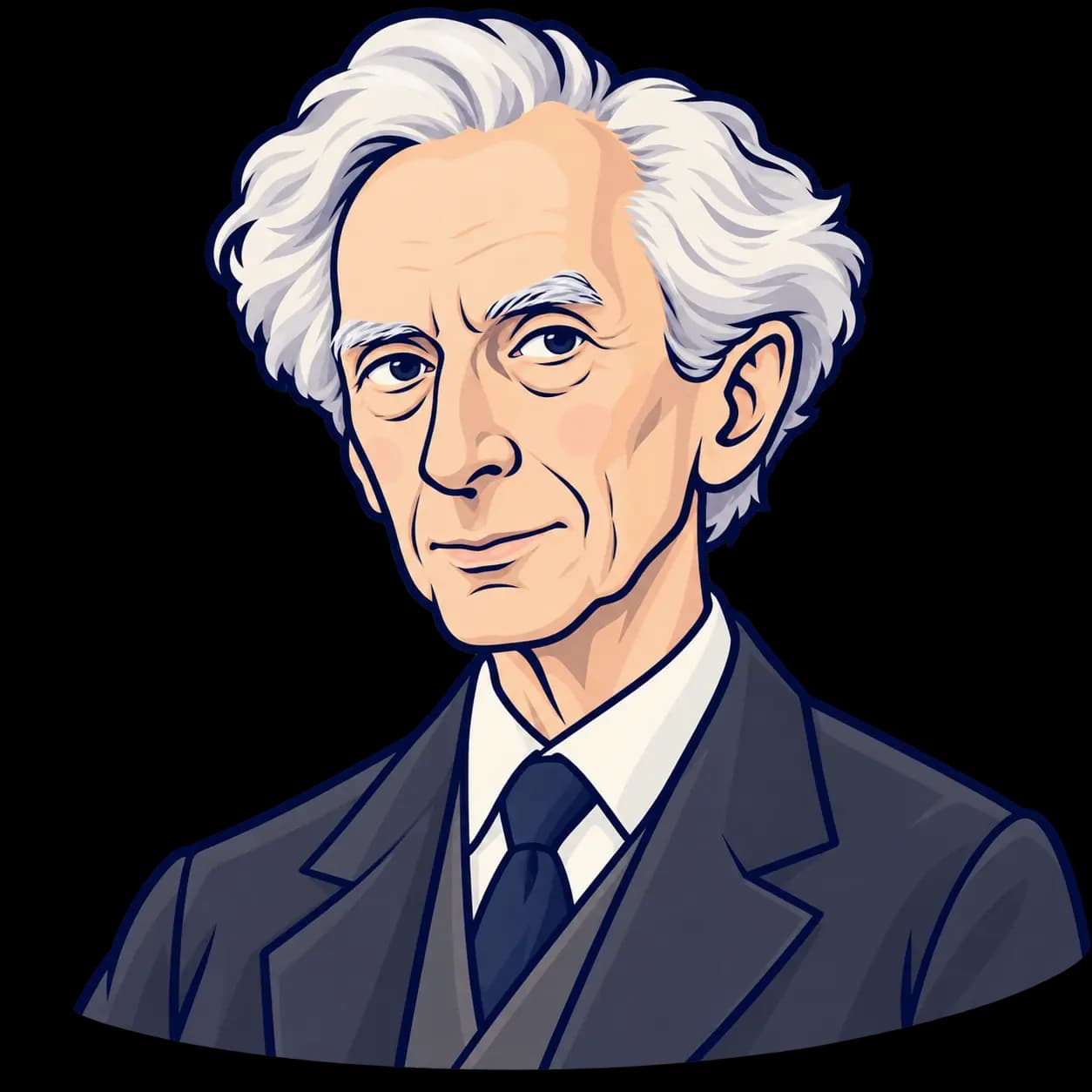
United Kingdom · 1872–1970
An analytic thinker who ranged across logic, liberalism, peace, and the pursuit of happiness.
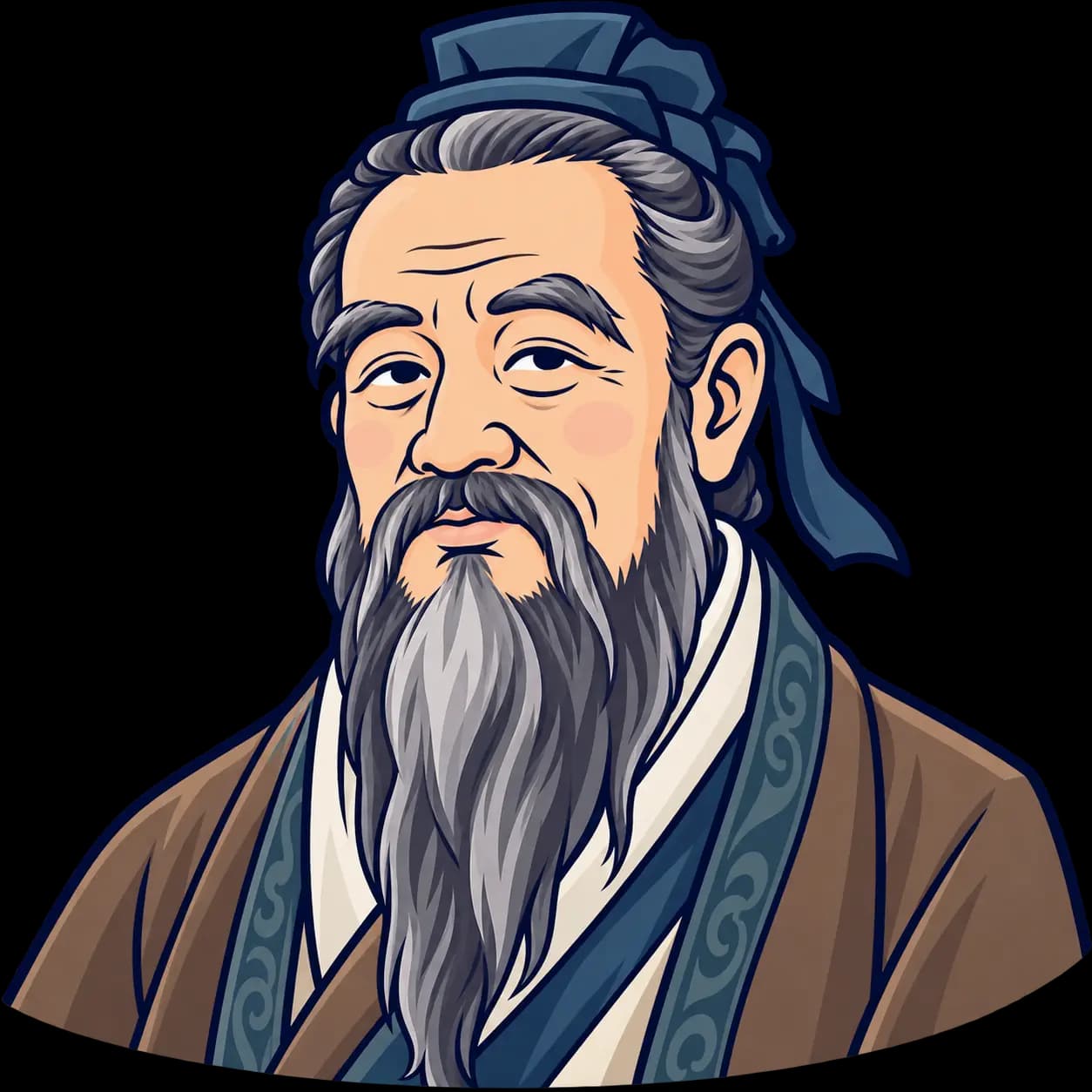
China · 551–479 BCE
The founder of the Confucian tradition, who prized ritual, humaneness, learning, and responsibility within the community.
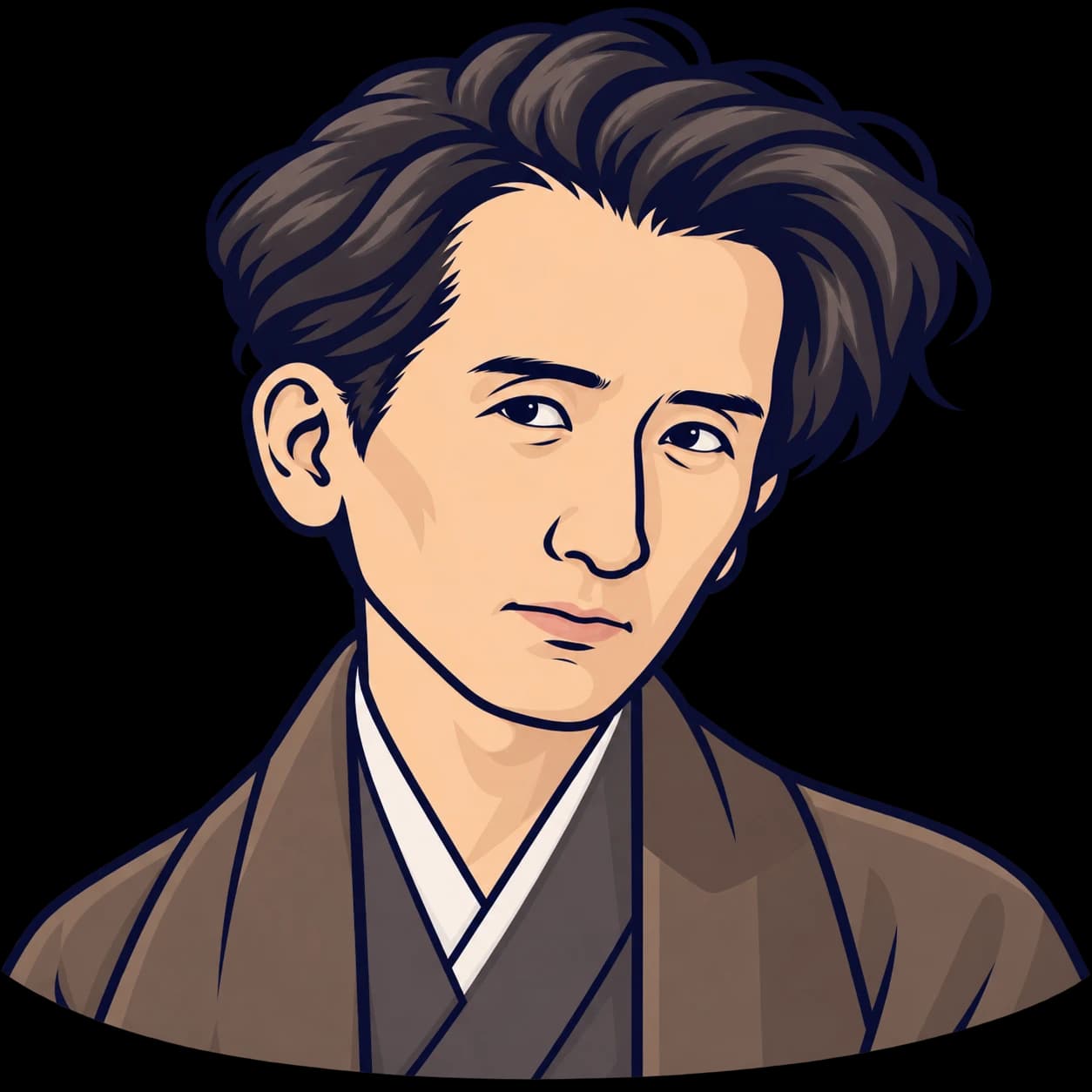
Japan · 1909–1948
A modern Japanese writer who moved between ruin, shame, self-justification, and a desperate longing for human connection.
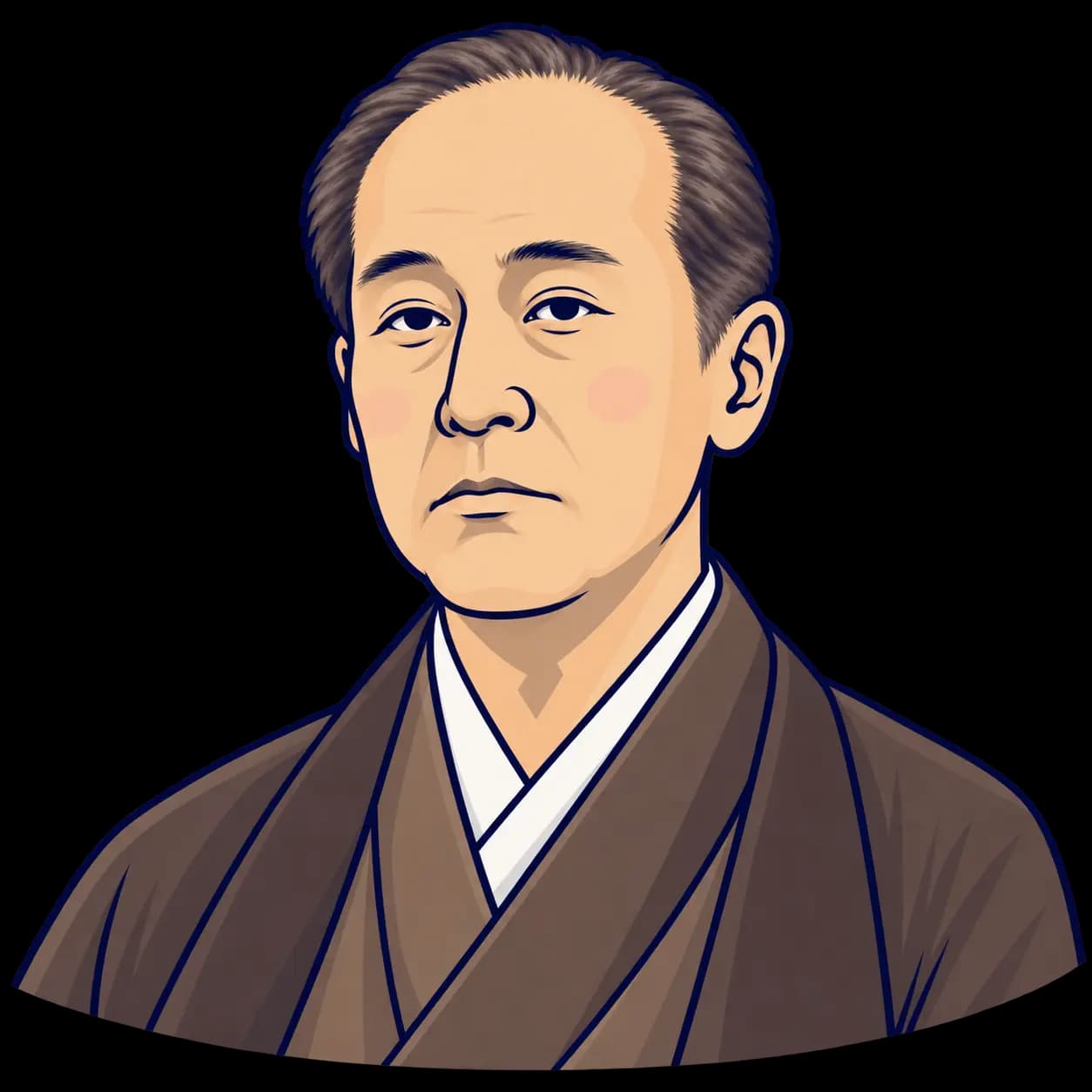
Japan · 1835–1901
A thinker who argued for independence and self-respect, practical learning, and the design of the modern individual and society.
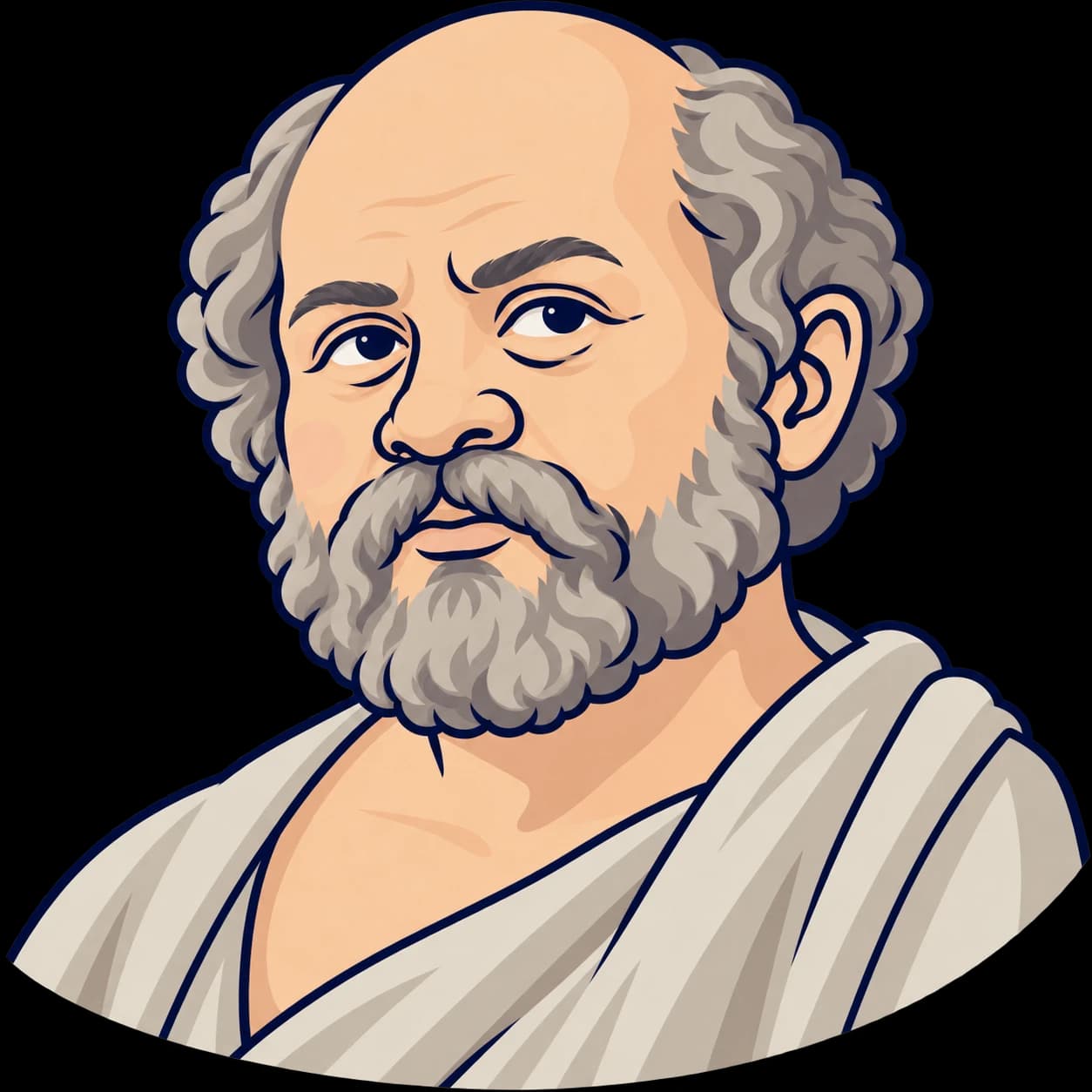
Ancient Greece · c. 470–399 BCE
A philosopher who used the method of questioning to loosen assumptions and kept asking how to live well.
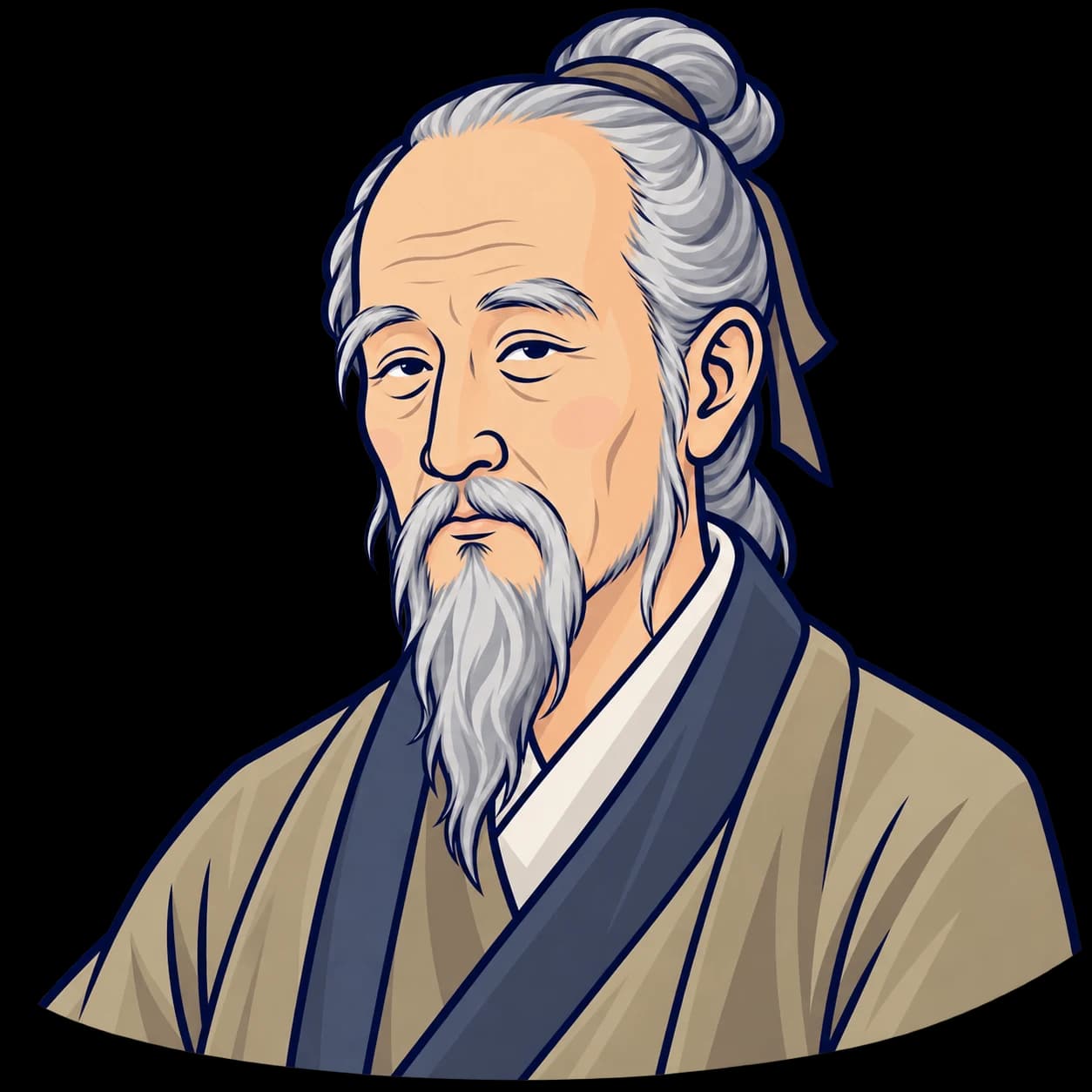
China · c. 6th century BCE
The fountainhead of Daoist thought, who taught the Way, non-action, and the strength of yielding.
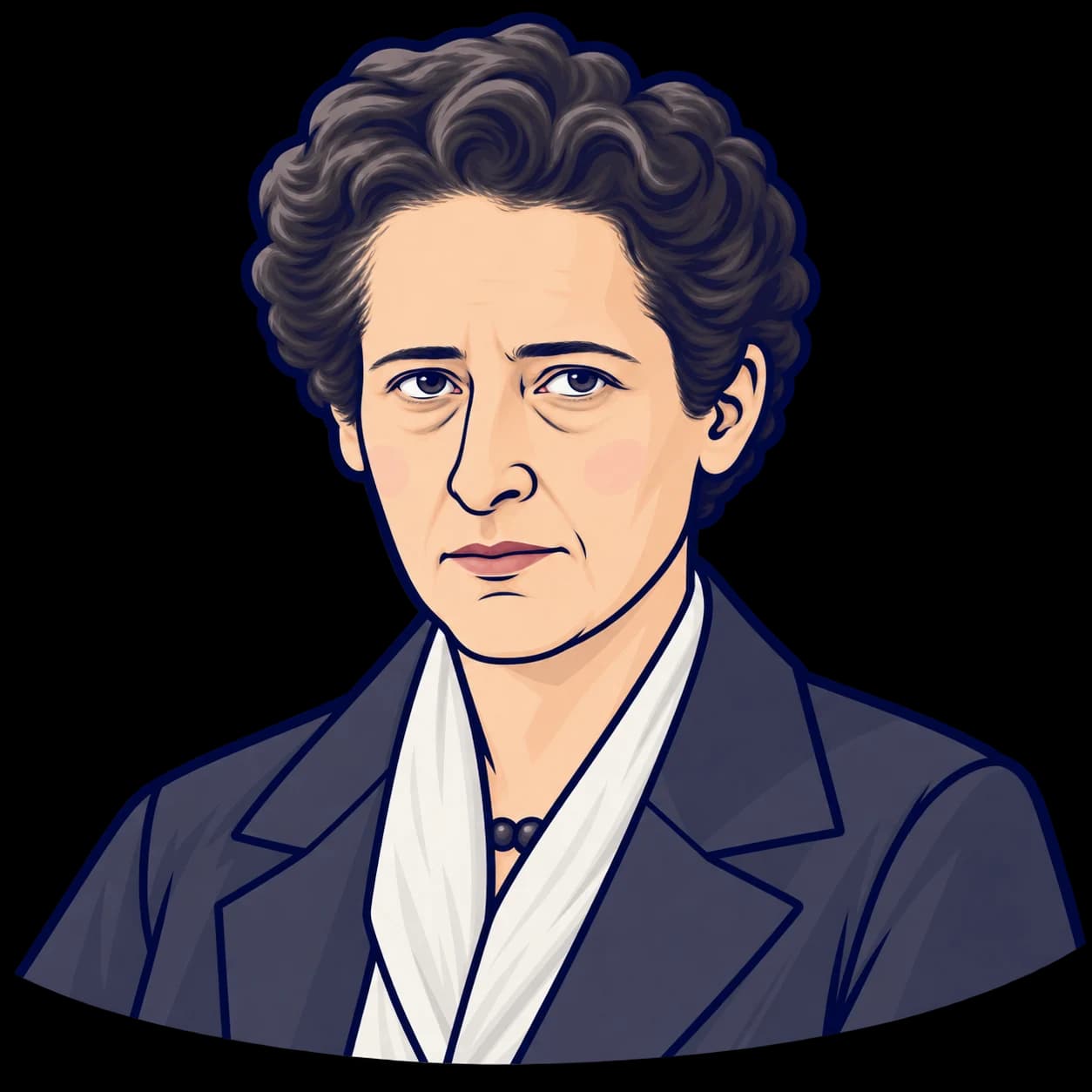
Germany / United States · 1906–1975
A political thinker who examined totalitarianism, the public realm, action, and responsibility.

India · c. 5th century BCE
The founder of Buddhism, who taught suffering, attachment, dependent origination, and the middle way.
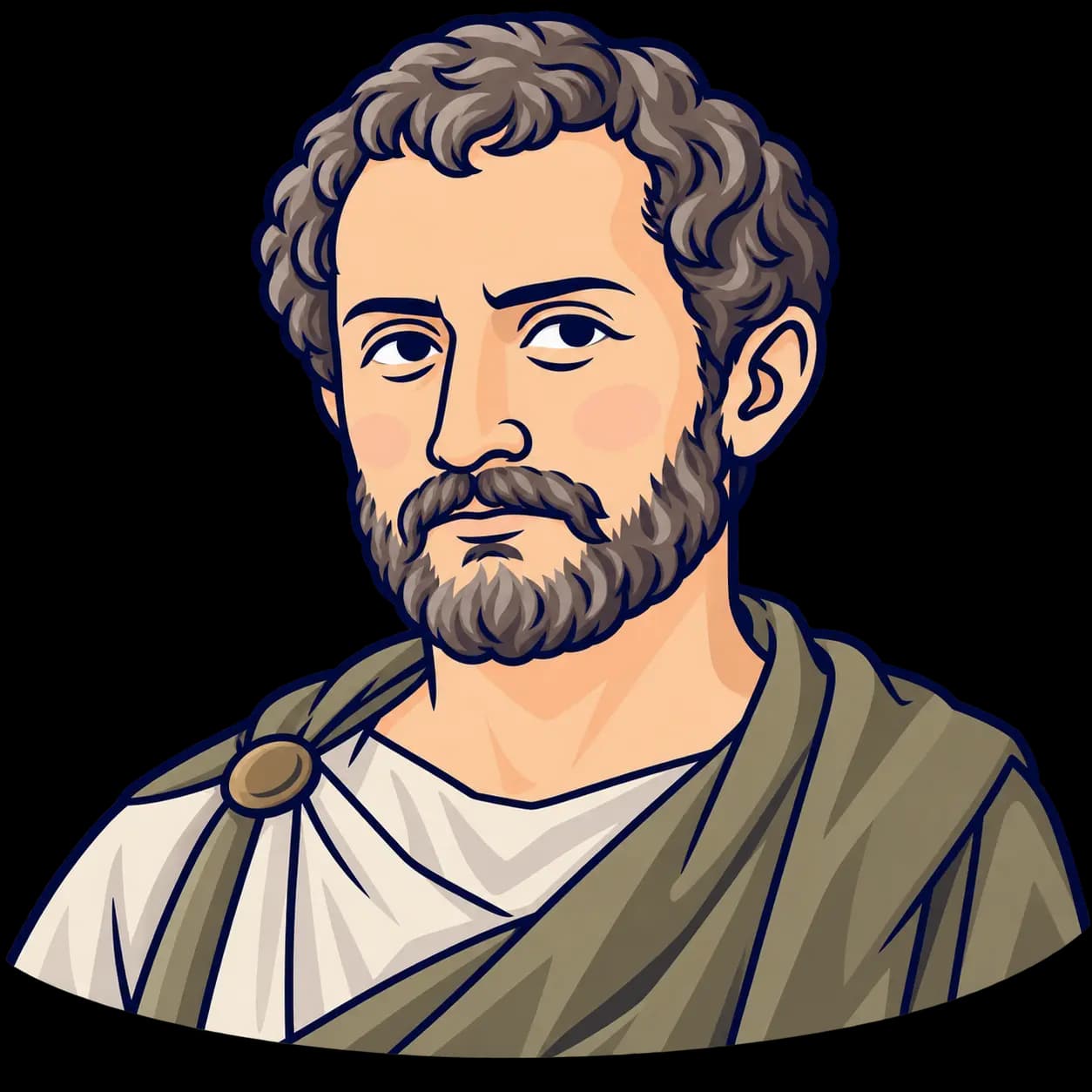
Ancient Greece · 384–322 BCE
A systematic philosopher who emphasized virtue, purpose, habit, and the mean.
Plus add-ons
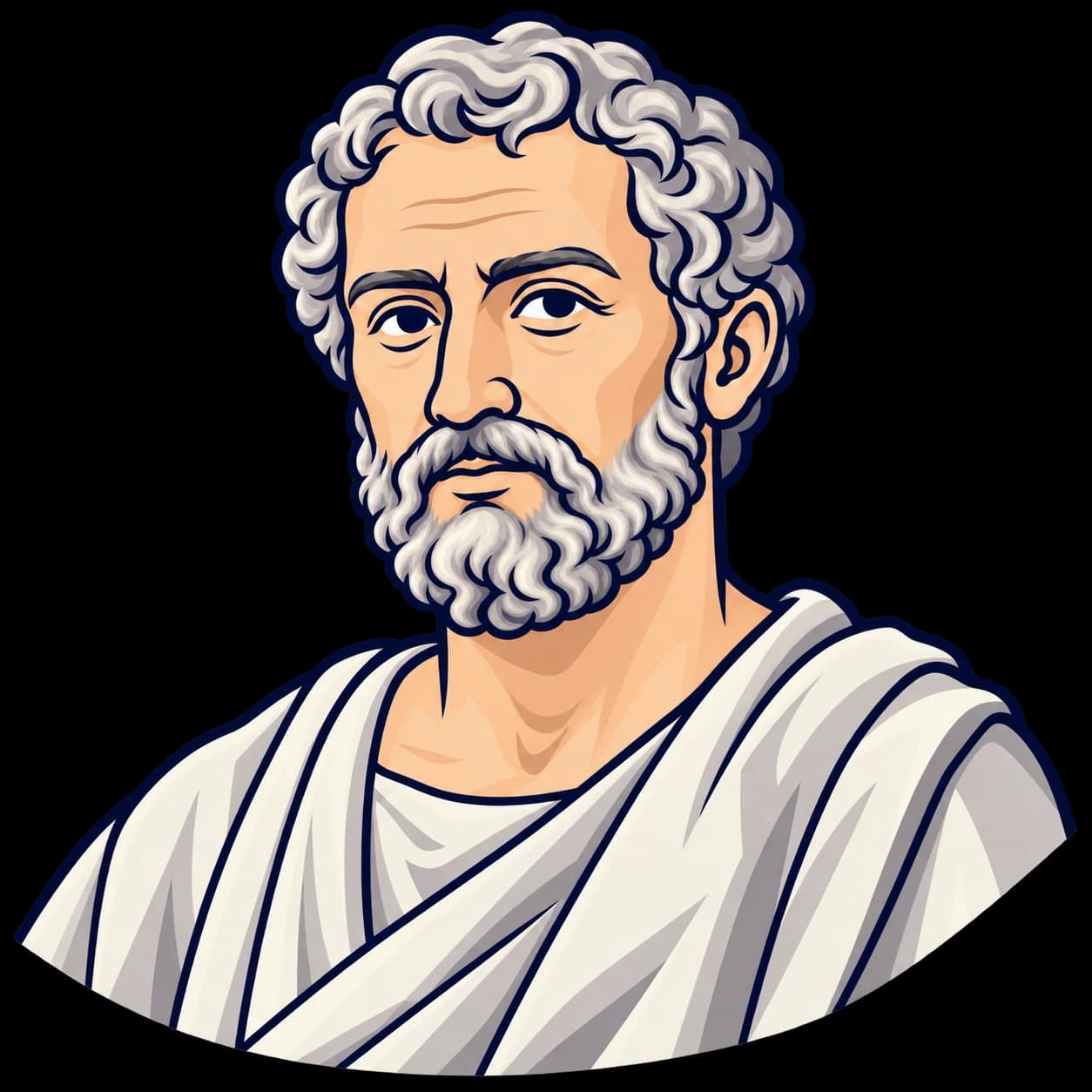
Ancient Greece · 427–347 BCE
A central figure of ancient philosophy who gave systematic shape to the Forms, the soul, the just city, and education.
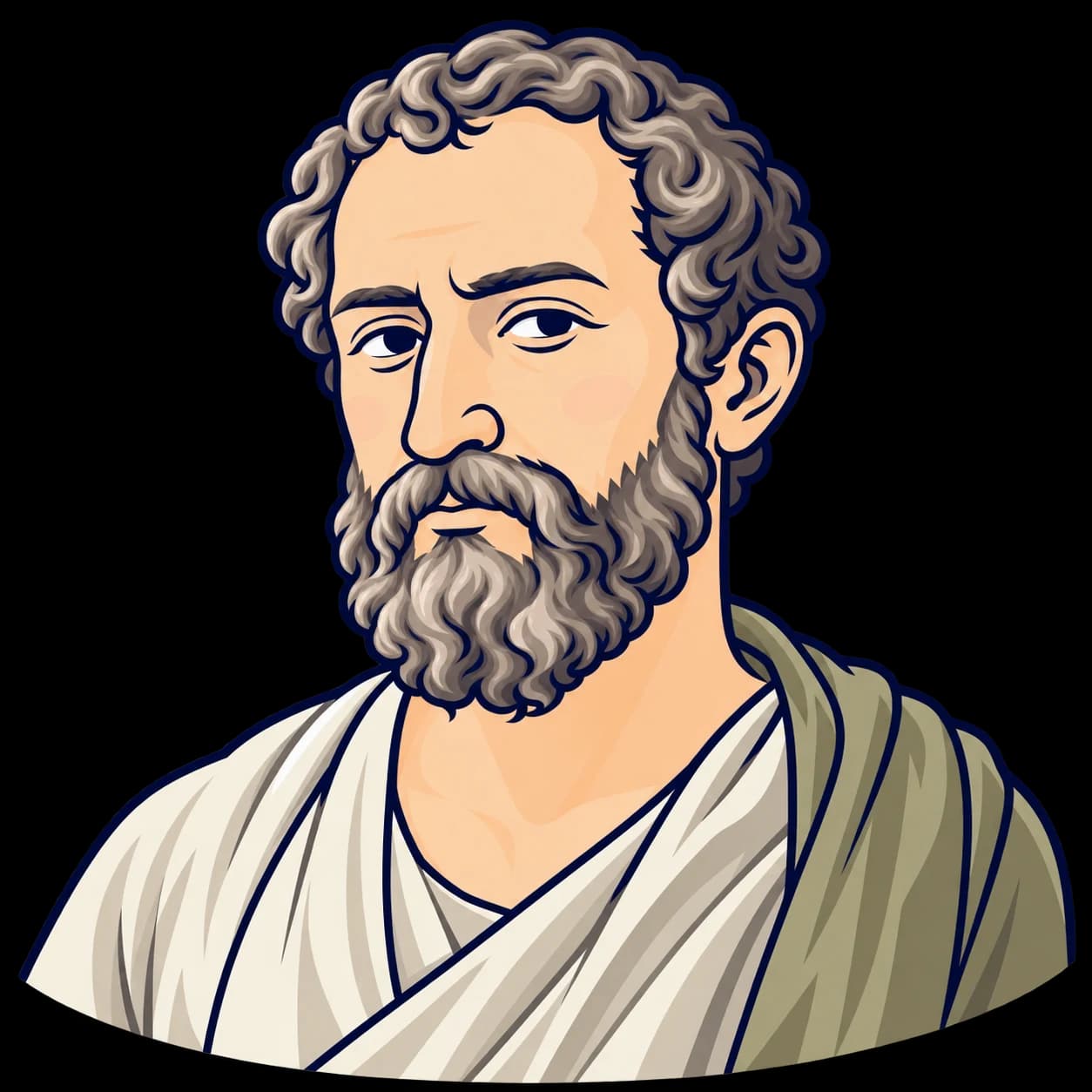
Ancient Greece · 341–270 BCE
A philosopher who understood pleasure as tranquility and the absence of fear, and taught a simple, sufficient happiness.
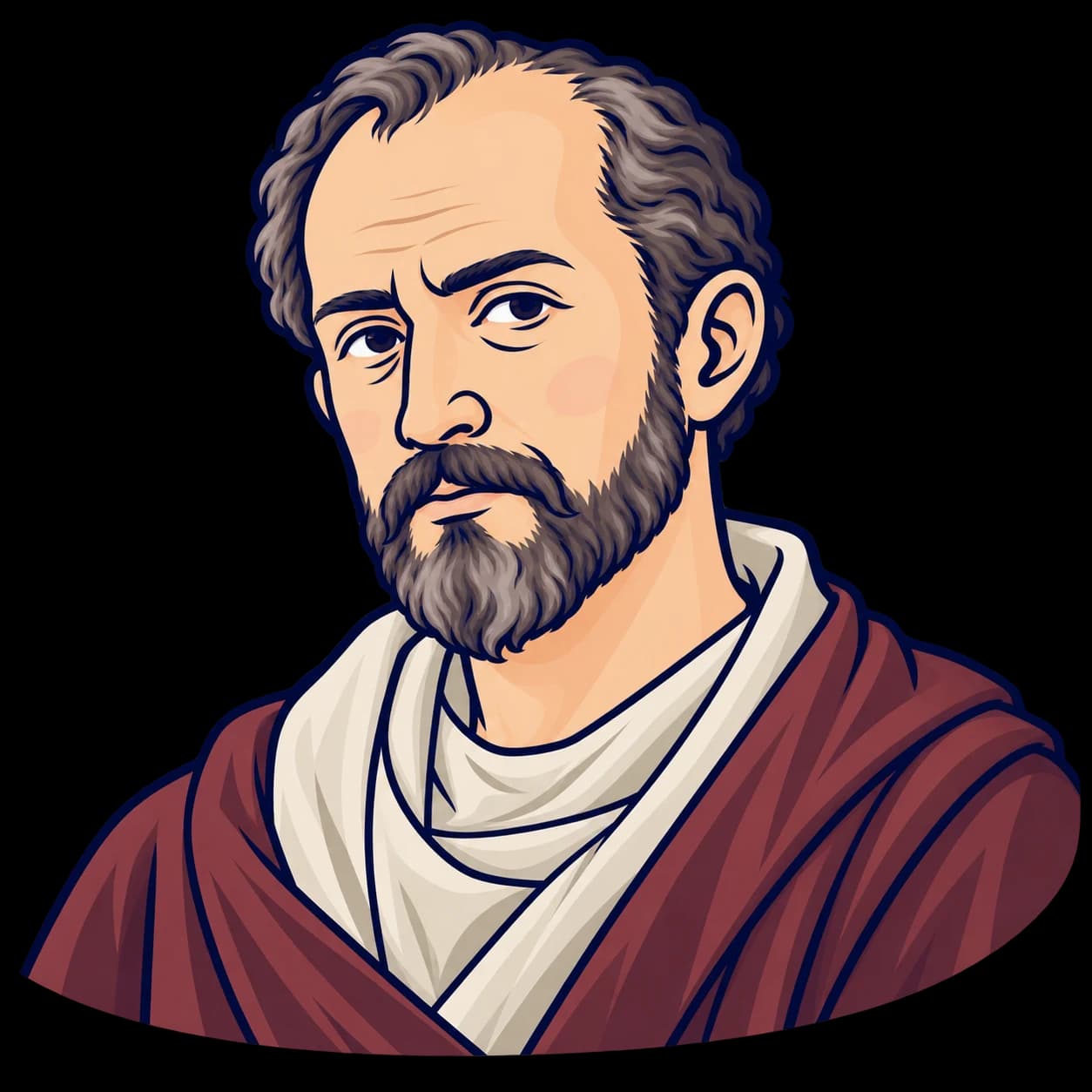
North Africa / Rome · 354–430
A Christian thinker who probed deeply into the will, love, sin, and time.
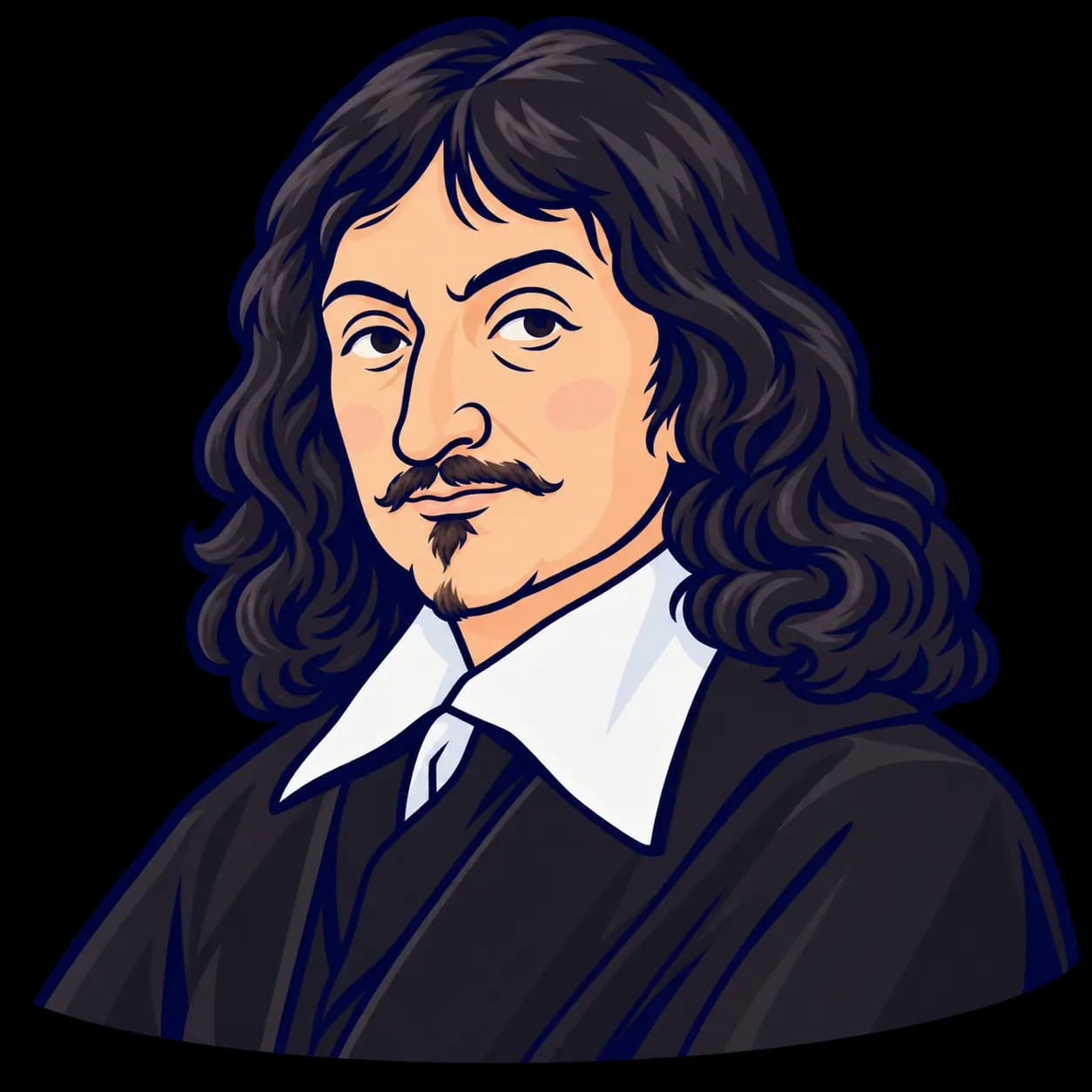
France · 1596–1650
A philosopher who founded methodical doubt and the modern thinking subject.
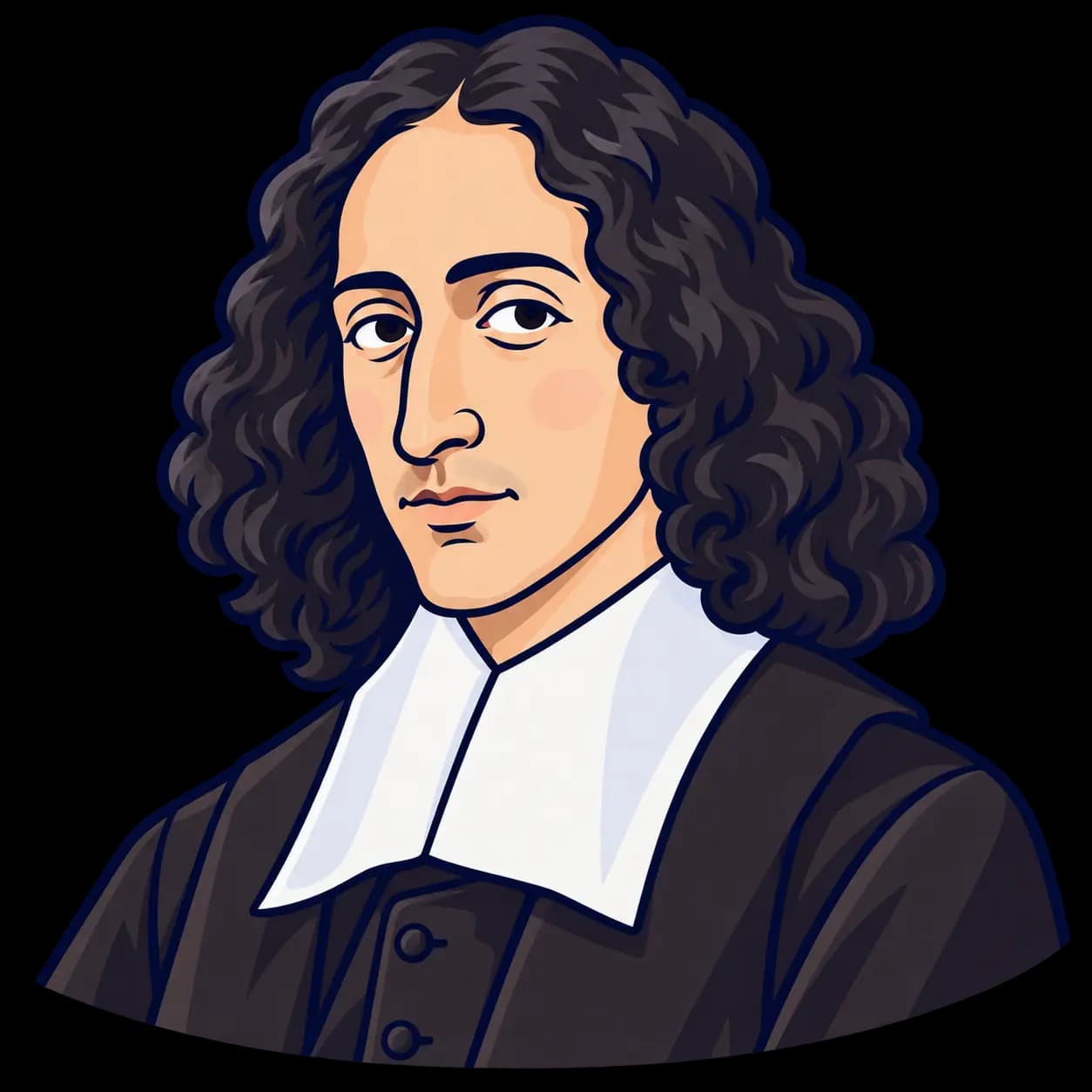
Netherlands · 1632–1677
A rationalist philosopher who reasoned about emotion, freedom, and necessity in a geometric key.
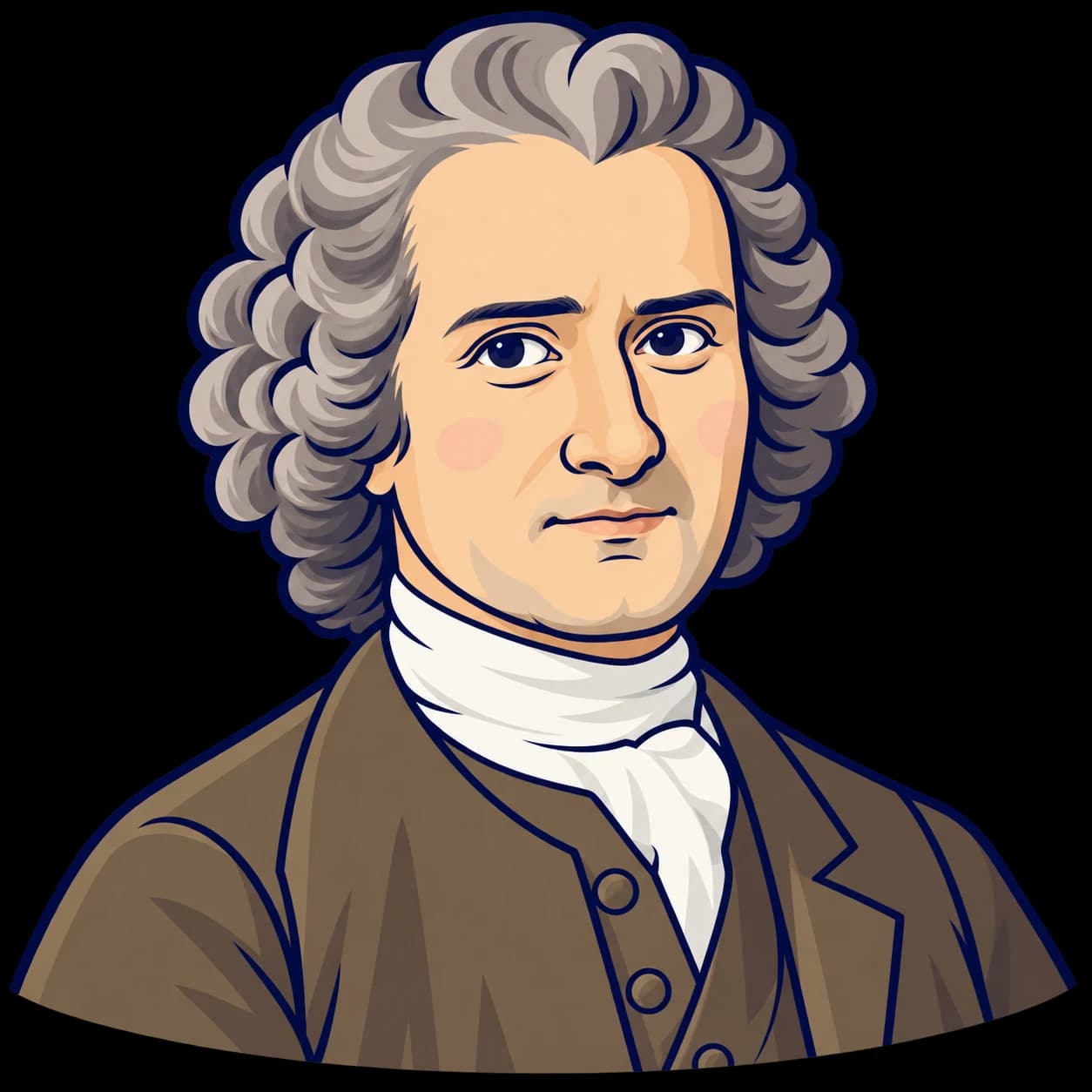
Scotland · 1711–1776
An empiricist philosopher who put his weight on experience, habit, feeling, and a good-humored skepticism.
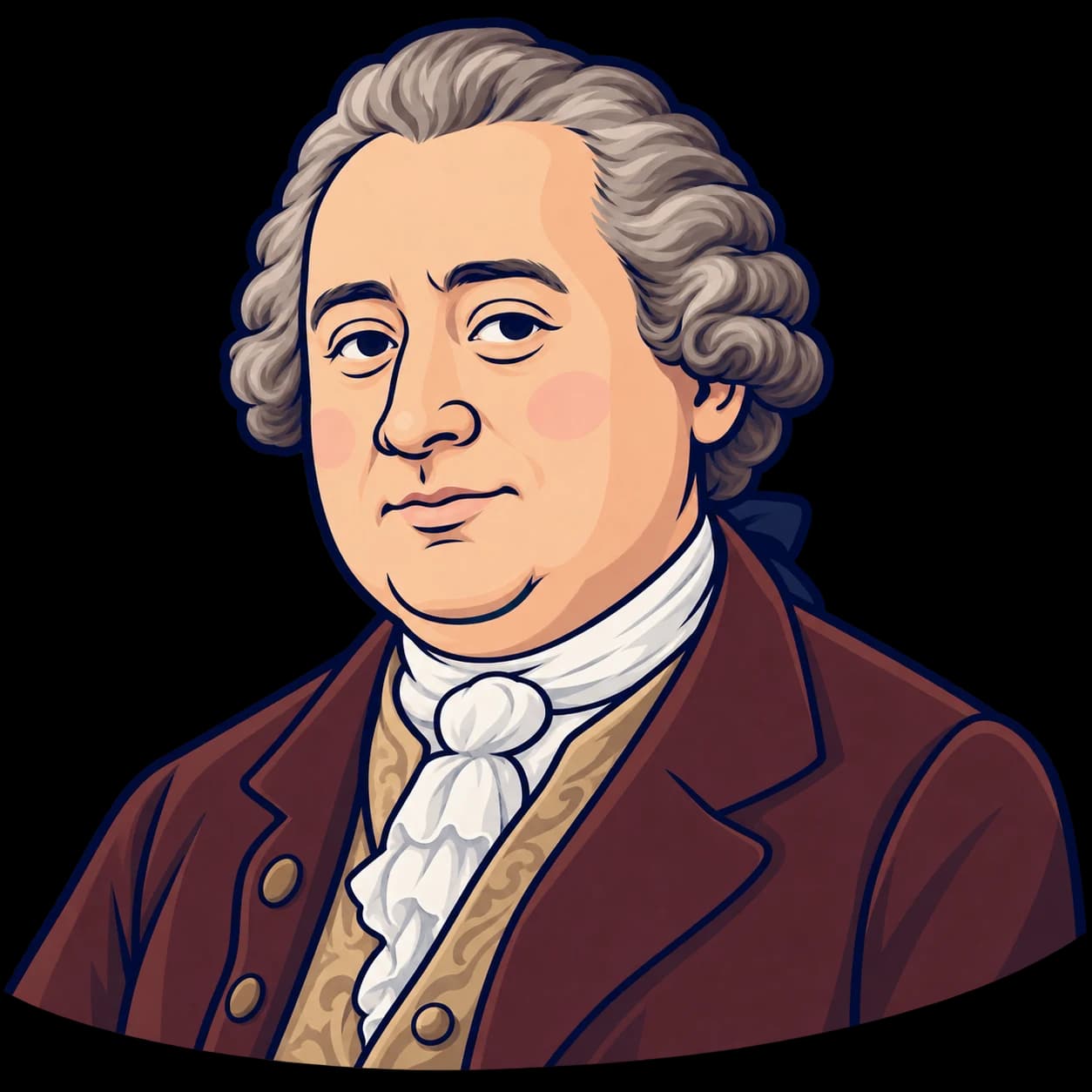
Prussia · 1724–1804
A central figure of modern ethics who reasoned about duty, freedom, dignity, and the test of universalizability.
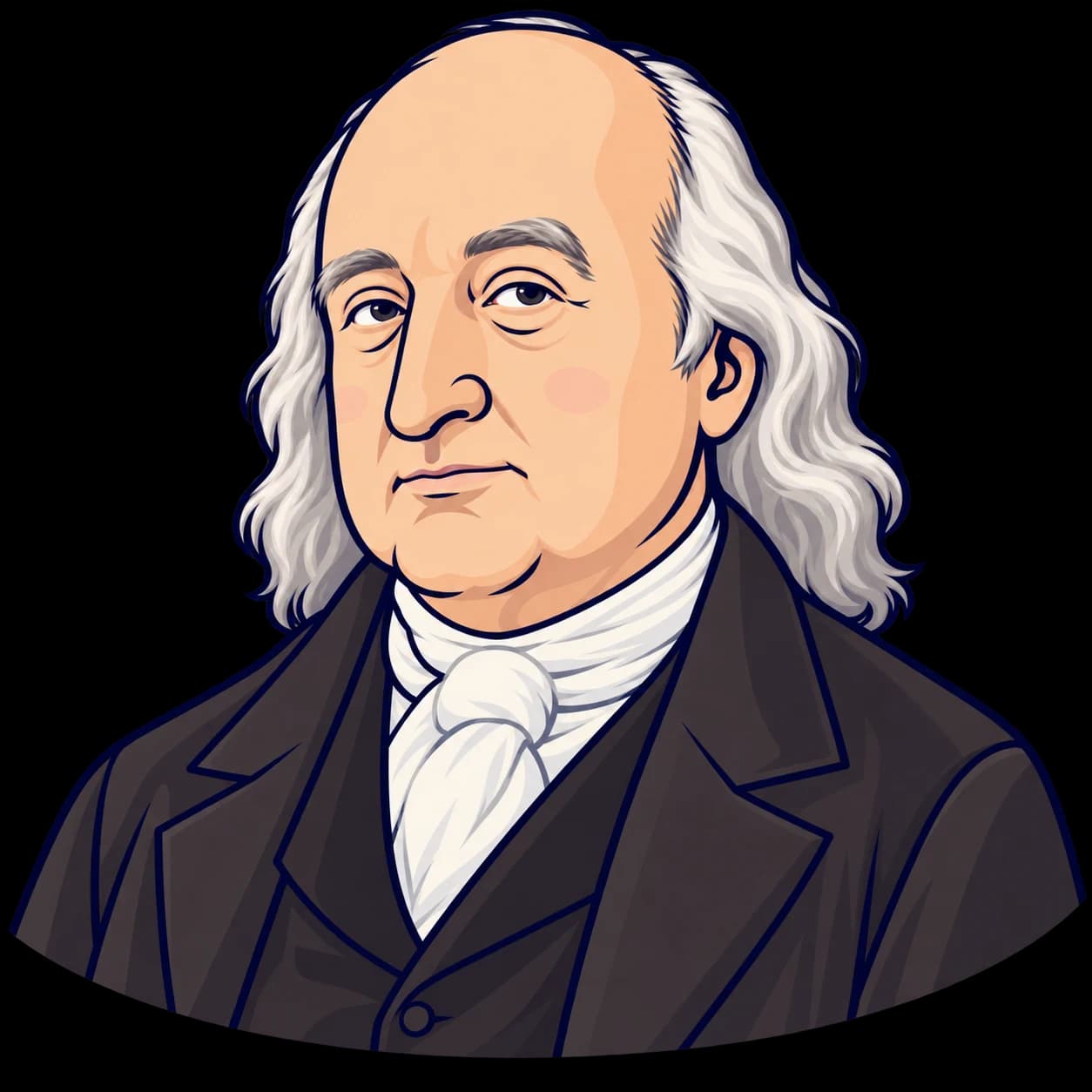
United Kingdom · 1748–1832
The founder of utilitarianism, who raised the banner of the greatest happiness of the greatest number.
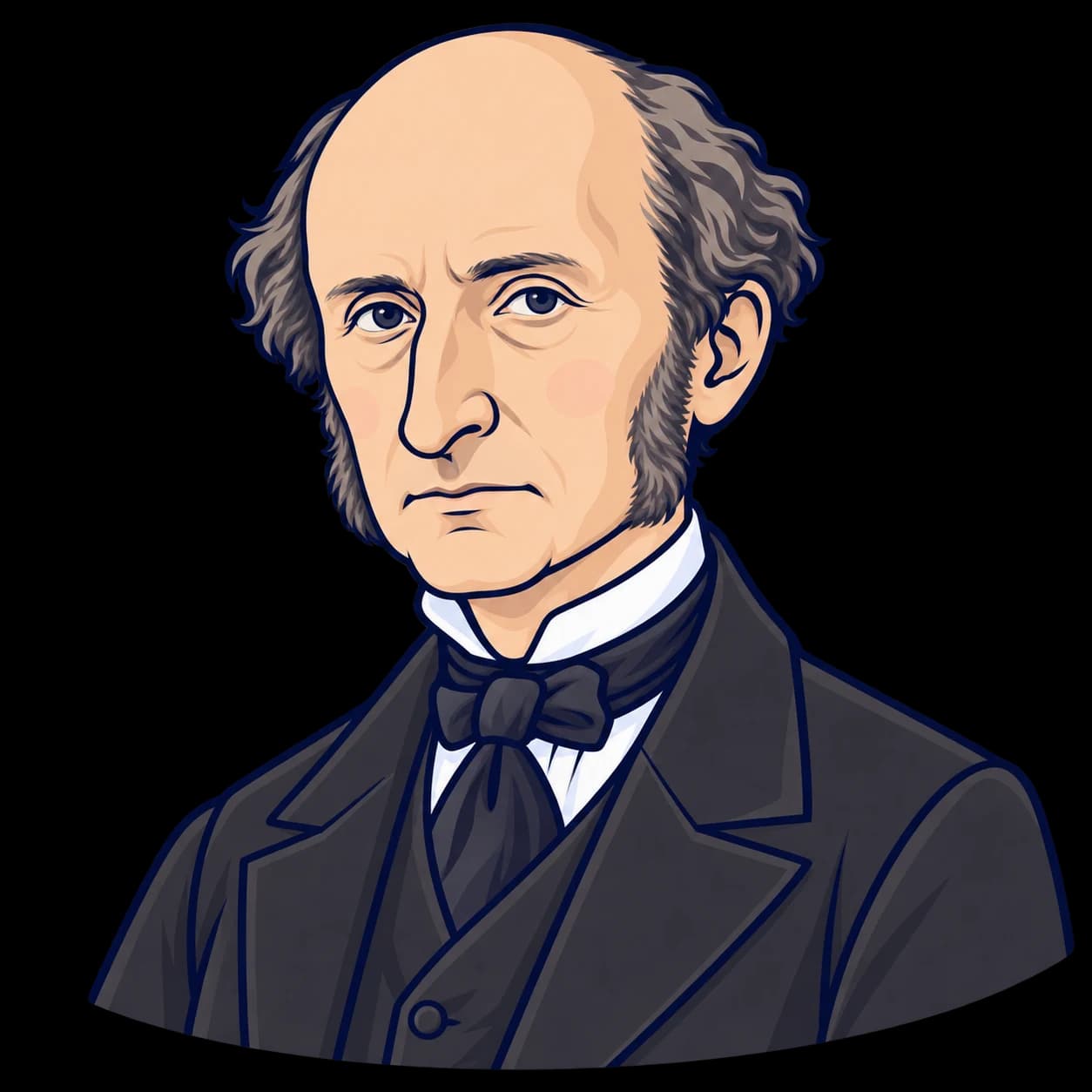
United Kingdom · 1806–1873
A thinker who prized liberty, utilitarianism, and the development of individual character.
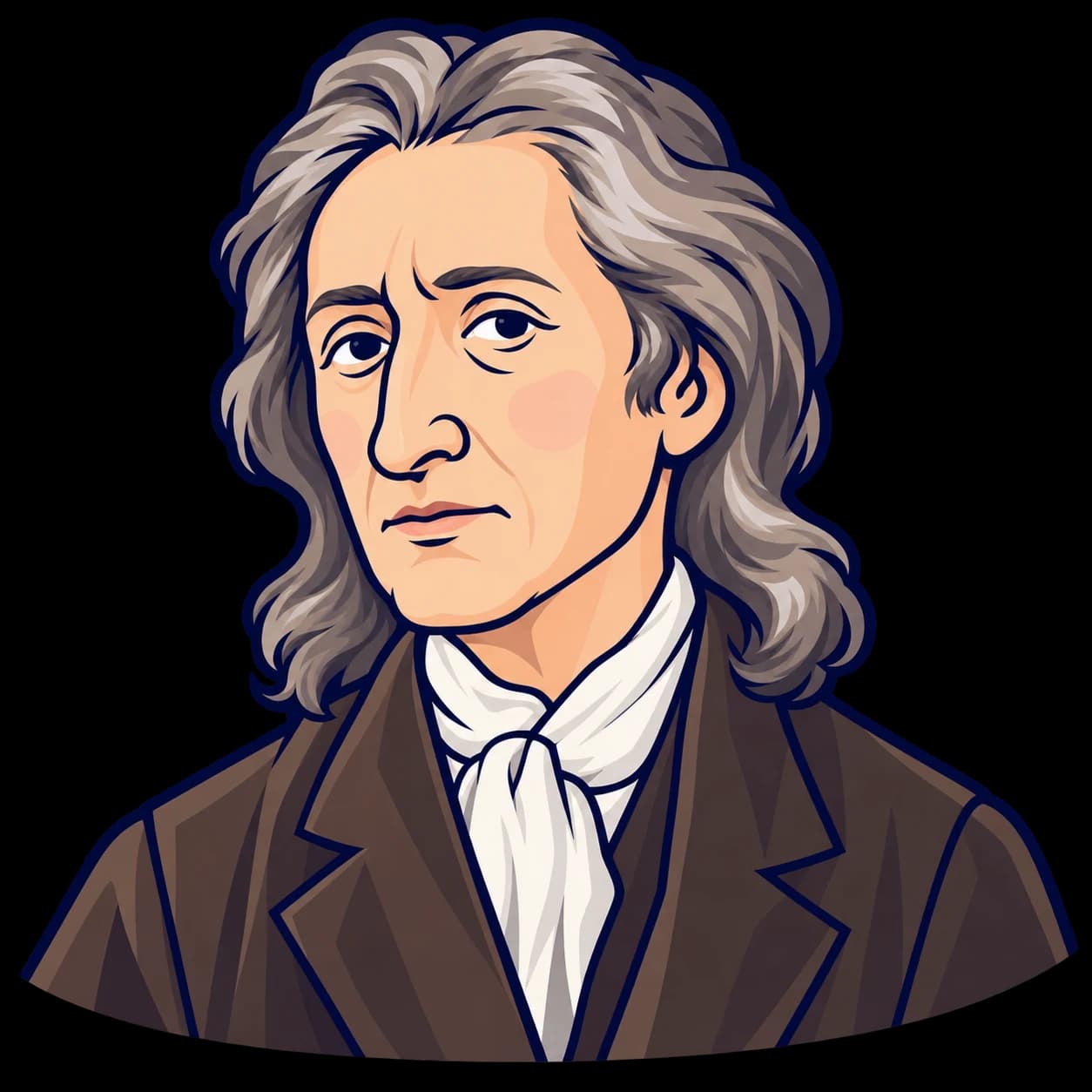
England · 1632–1704
A thinker who reasoned about natural rights, property, experience, and government by consent.
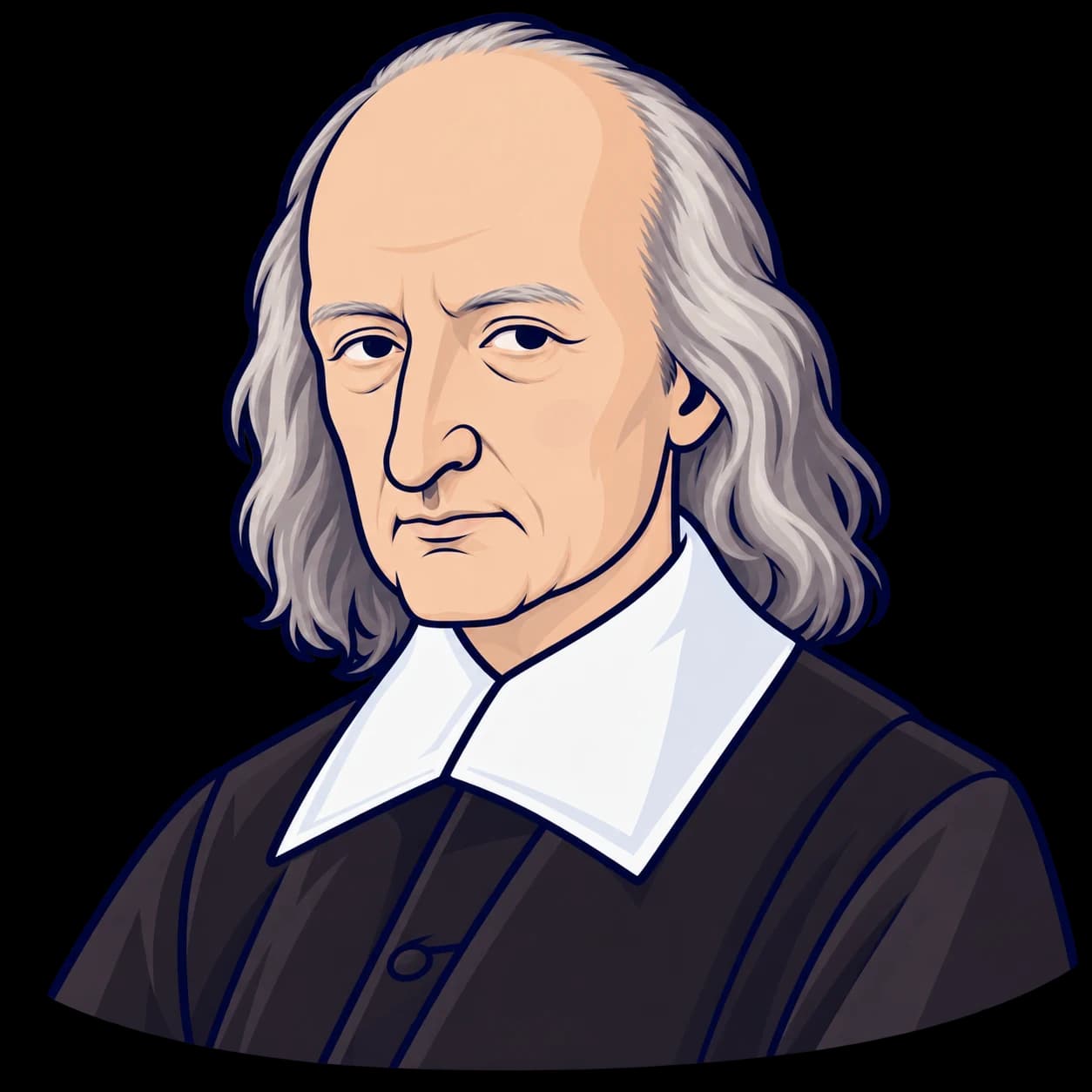
England · 1588–1679
A political philosopher who reasoned about fear, covenant, order, and the Leviathan.
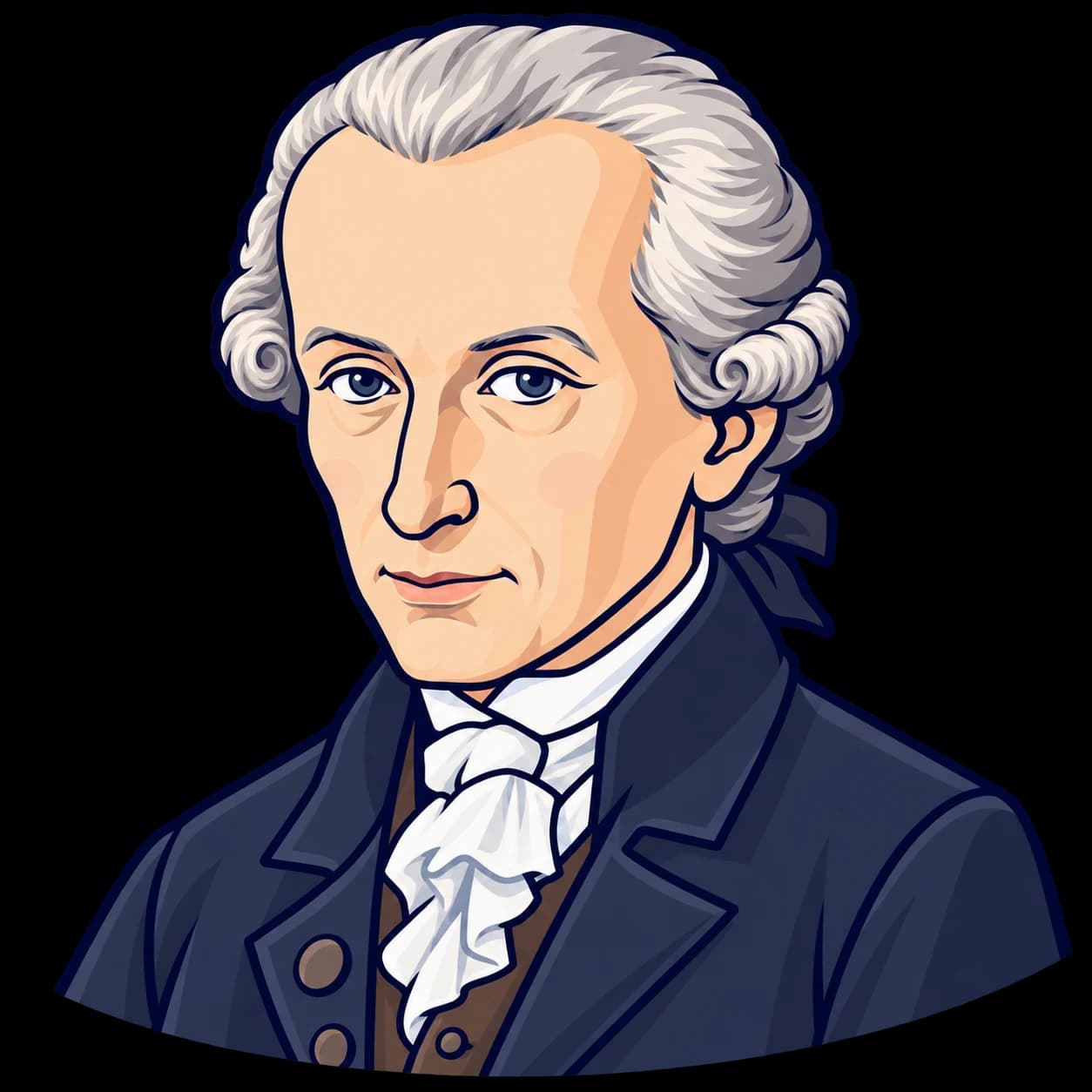
Geneva · 1712–1778
A thinker who shook the modern age with his writing on nature, freedom, the social contract, and education.
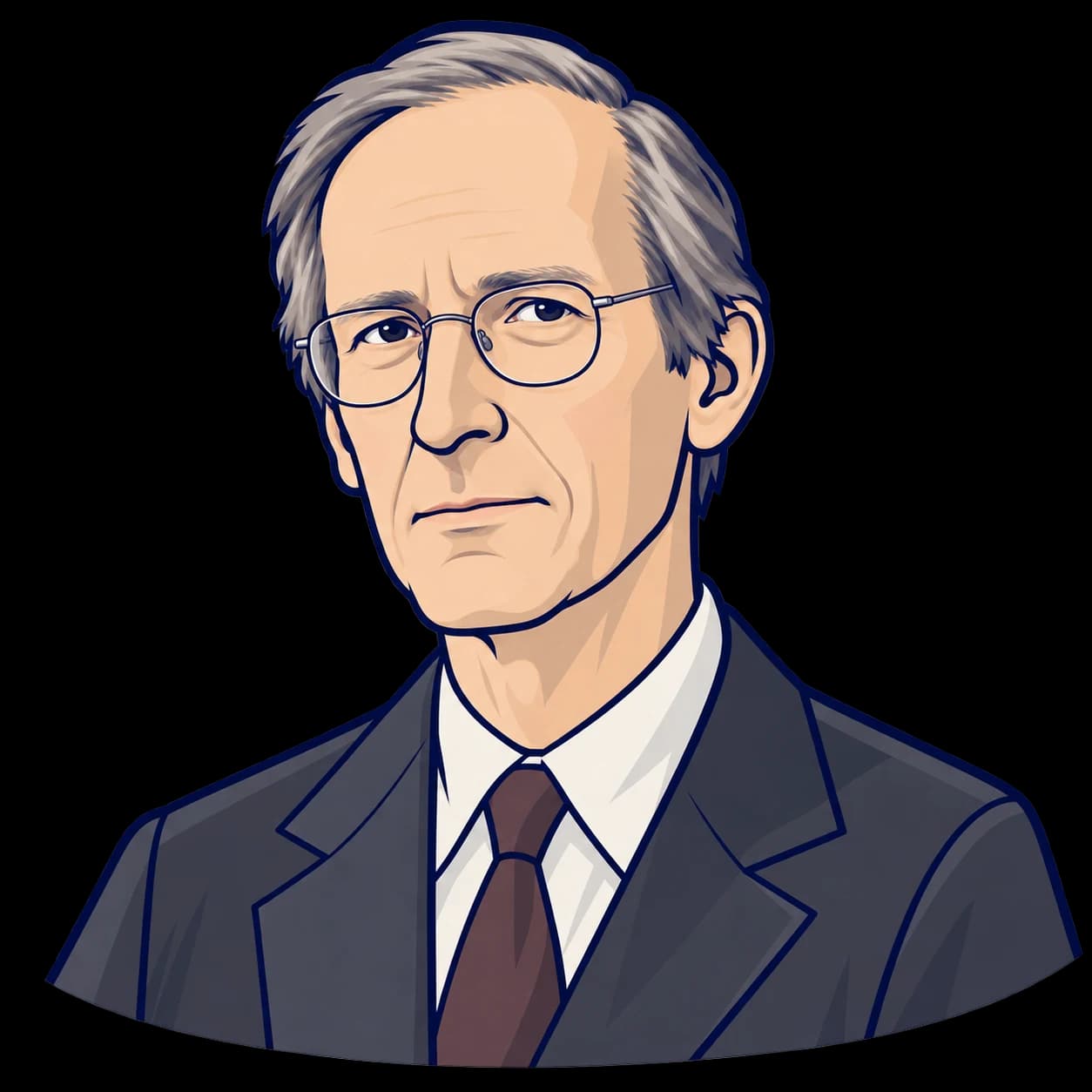
United States · 1921–2002
A political philosopher who proposed justice as fairness, the veil of ignorance, and the difference principle.
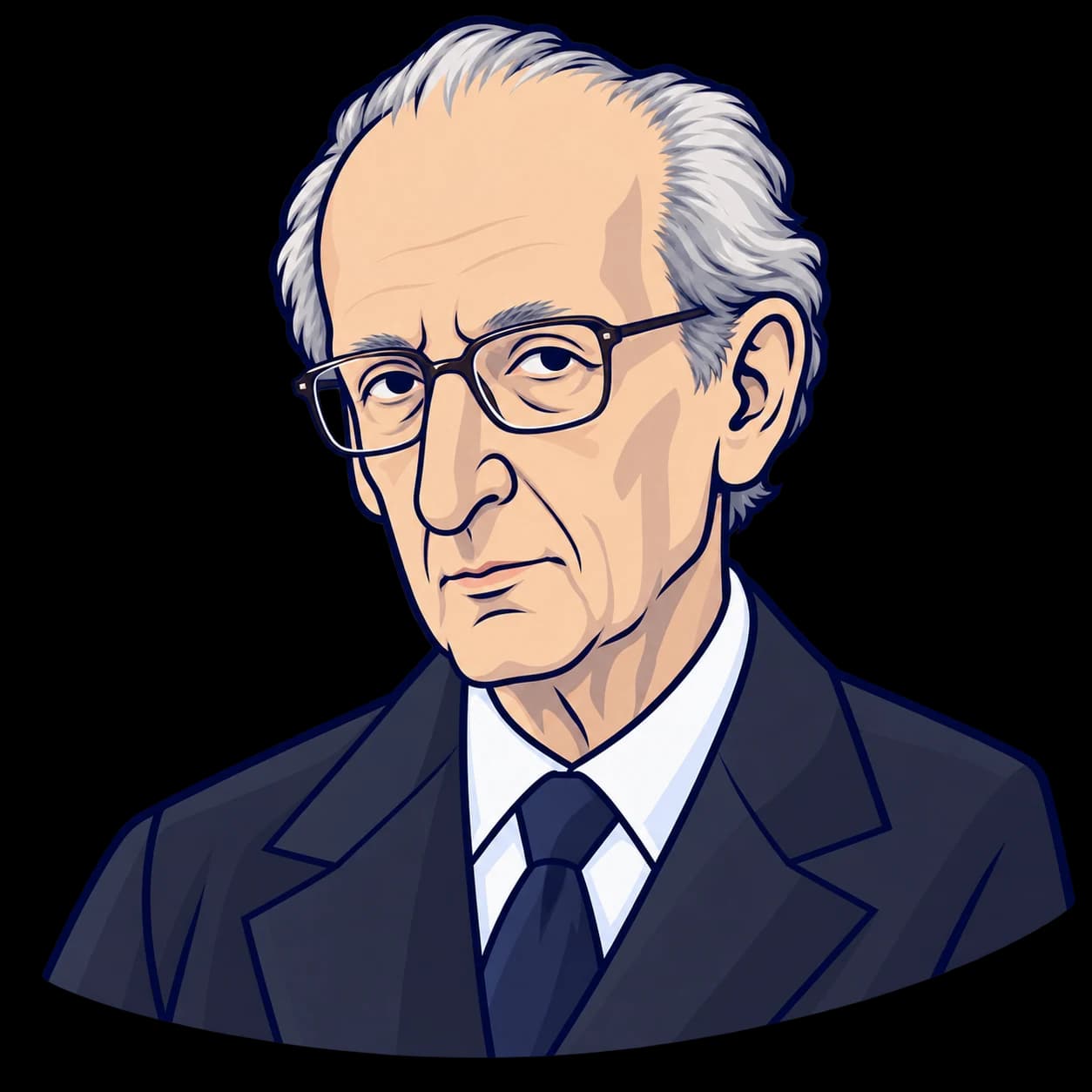
Lithuania / France · 1906–1995
A thinker who placed the face of the other, responsibility, and ethics as first philosophy.

France · 1908–1986
A thinker and writer who examined existentialism, freedom, gender, and the making of the Other.
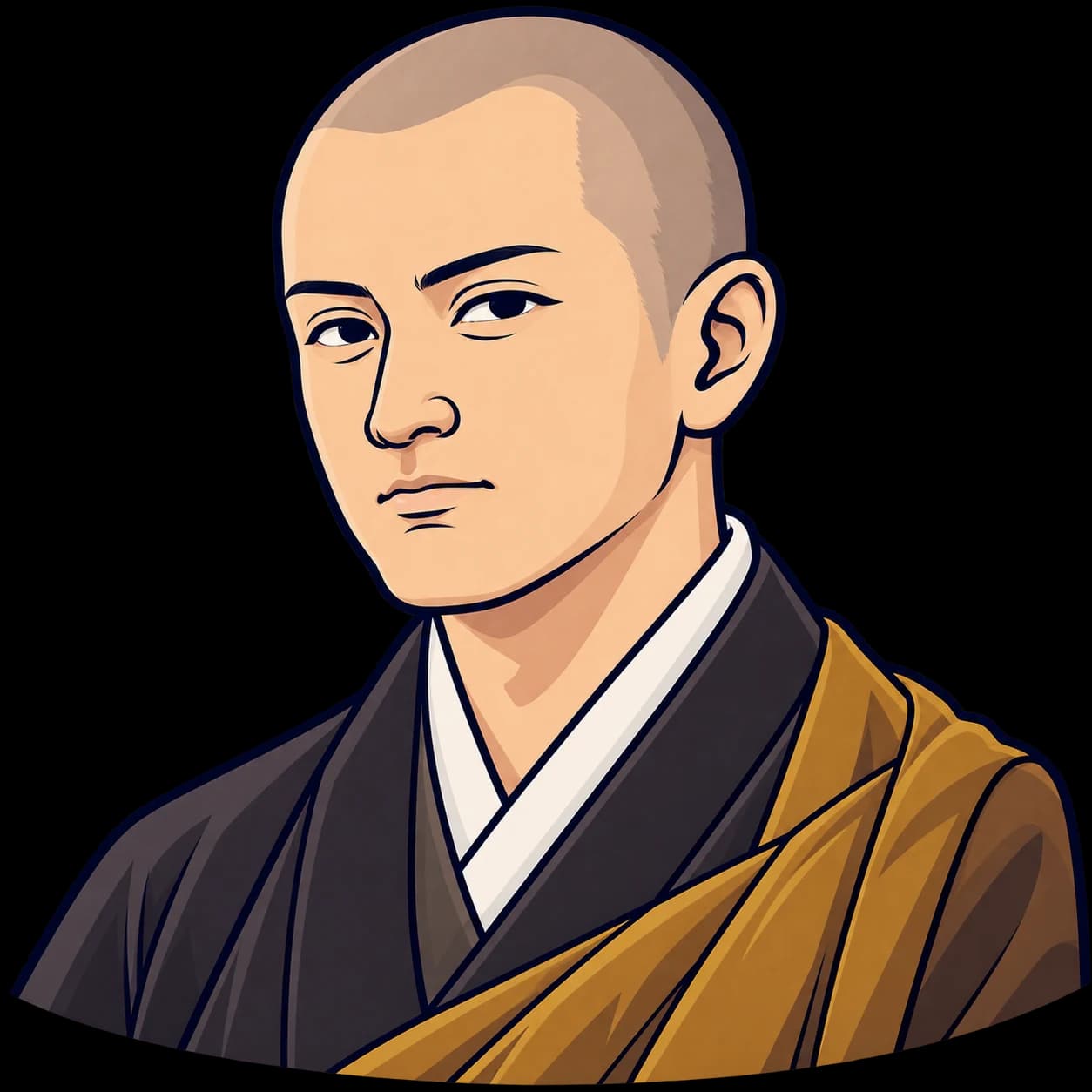
Japan · 774–835
A monk and thinker who bound together esoteric Buddhism, language, the body, and a cosmic practice.
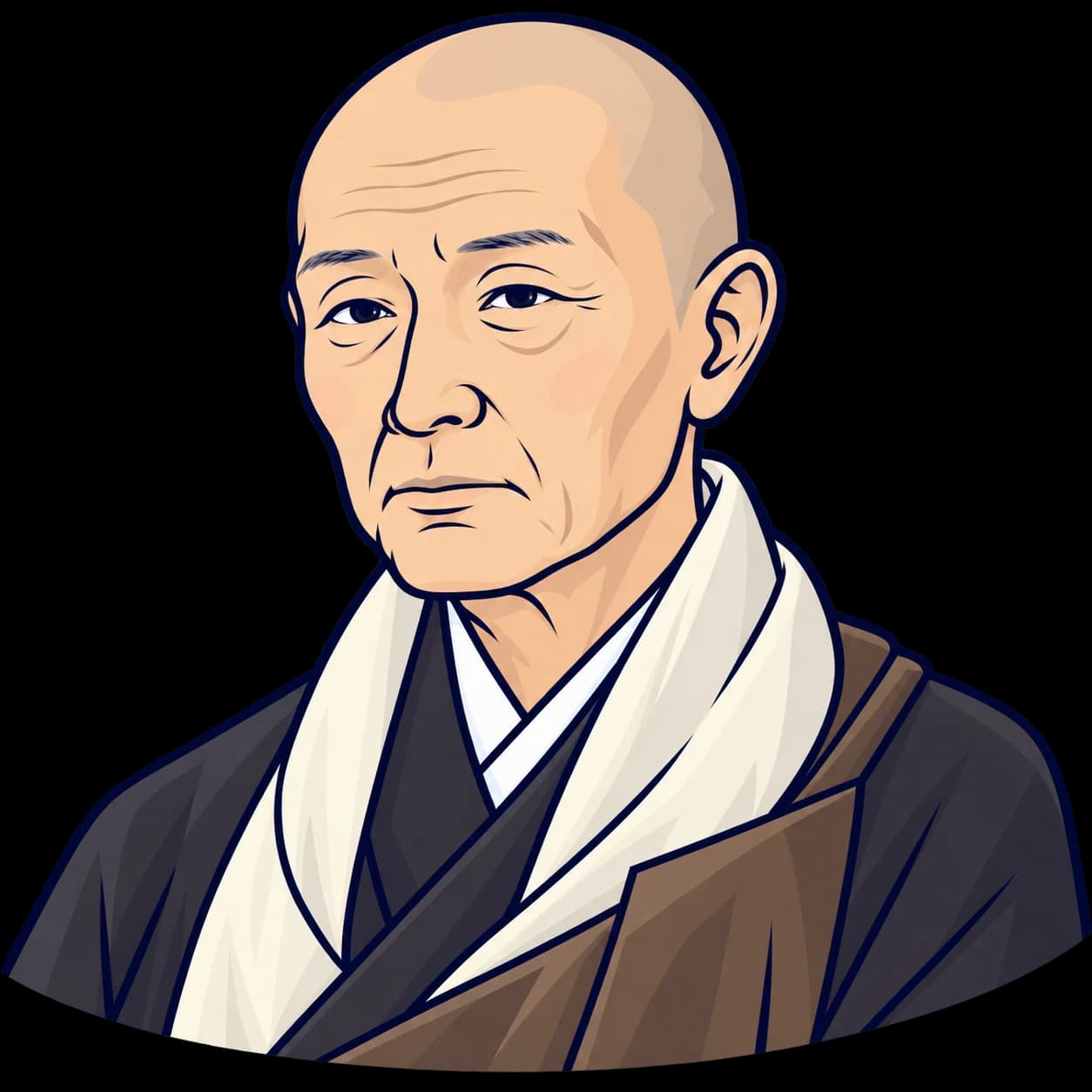
Japan · 1173–1263
A monk who profoundly changed Japanese Buddhism through Other Power, the primacy of the wicked, and faith.
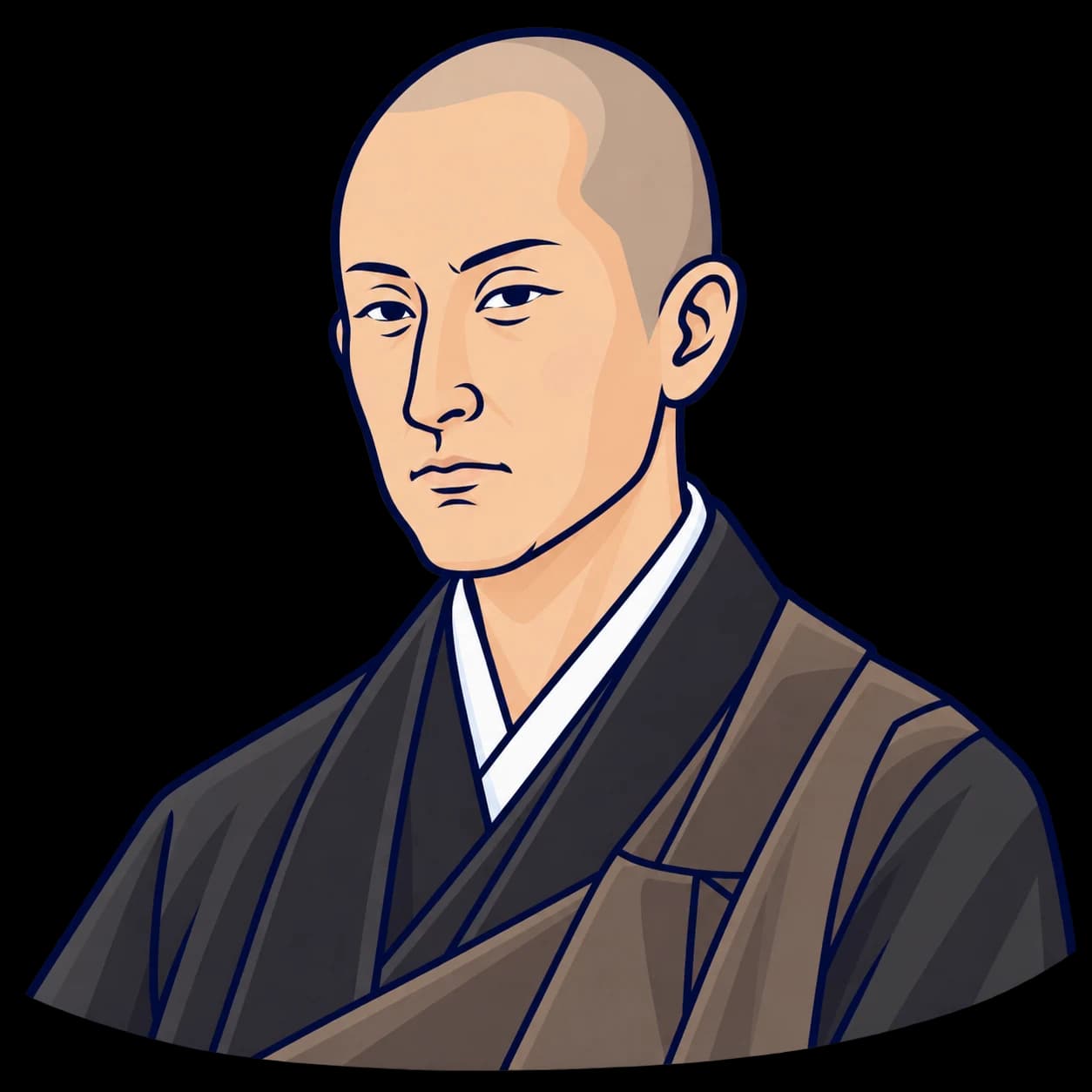
Japan · 1200–1253
A Zen monk who built an original thought around single-minded sitting, the unity of practice and realization, and time.
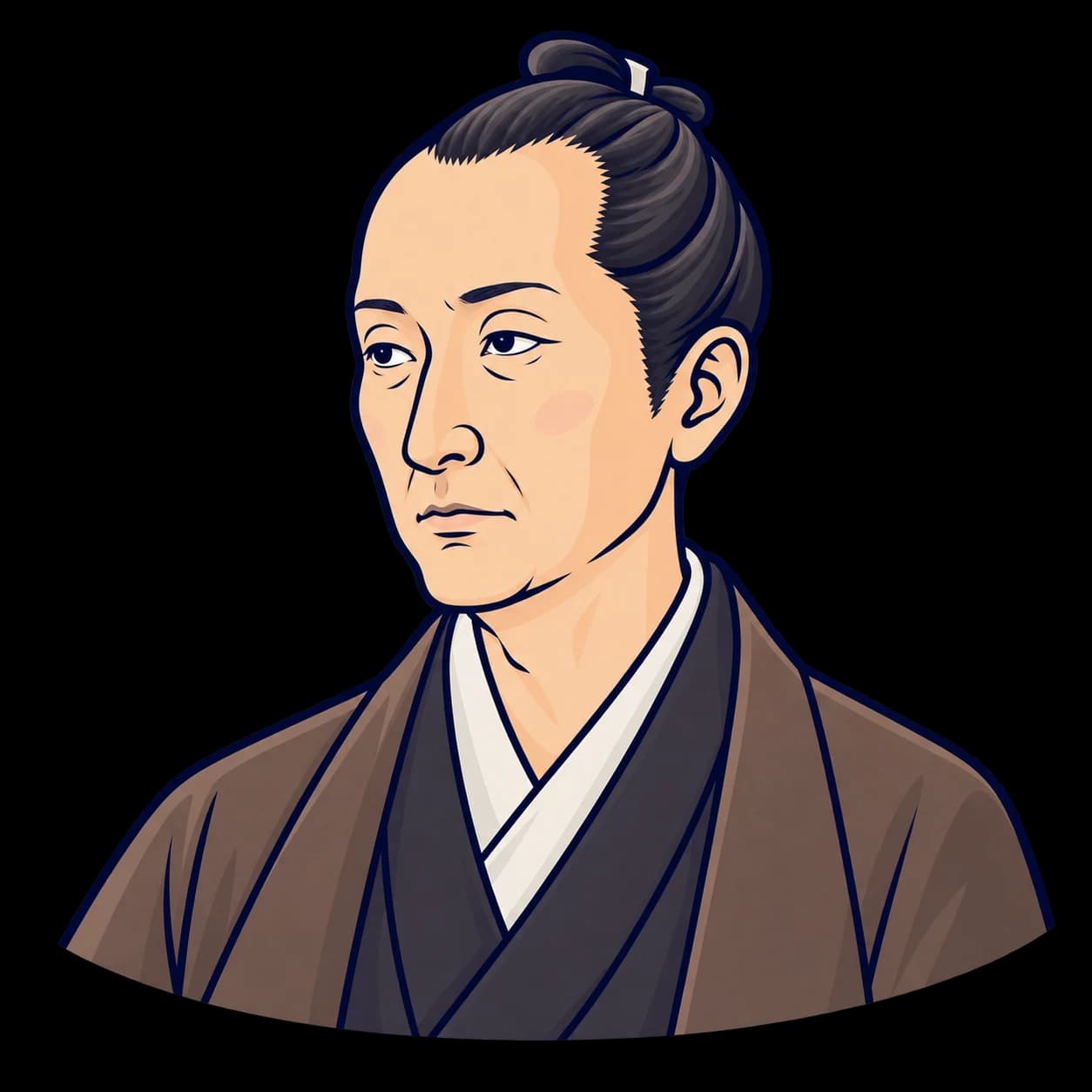
Japan · 1730–1801
A thinker who articulated an ethics of sensibility through mono no aware, classical scholarship, and national learning (kokugaku).

Japan · 1830–1859
A thinker who joined resolve, learning, and action, and strongly shaped the young men of the late Edo period.
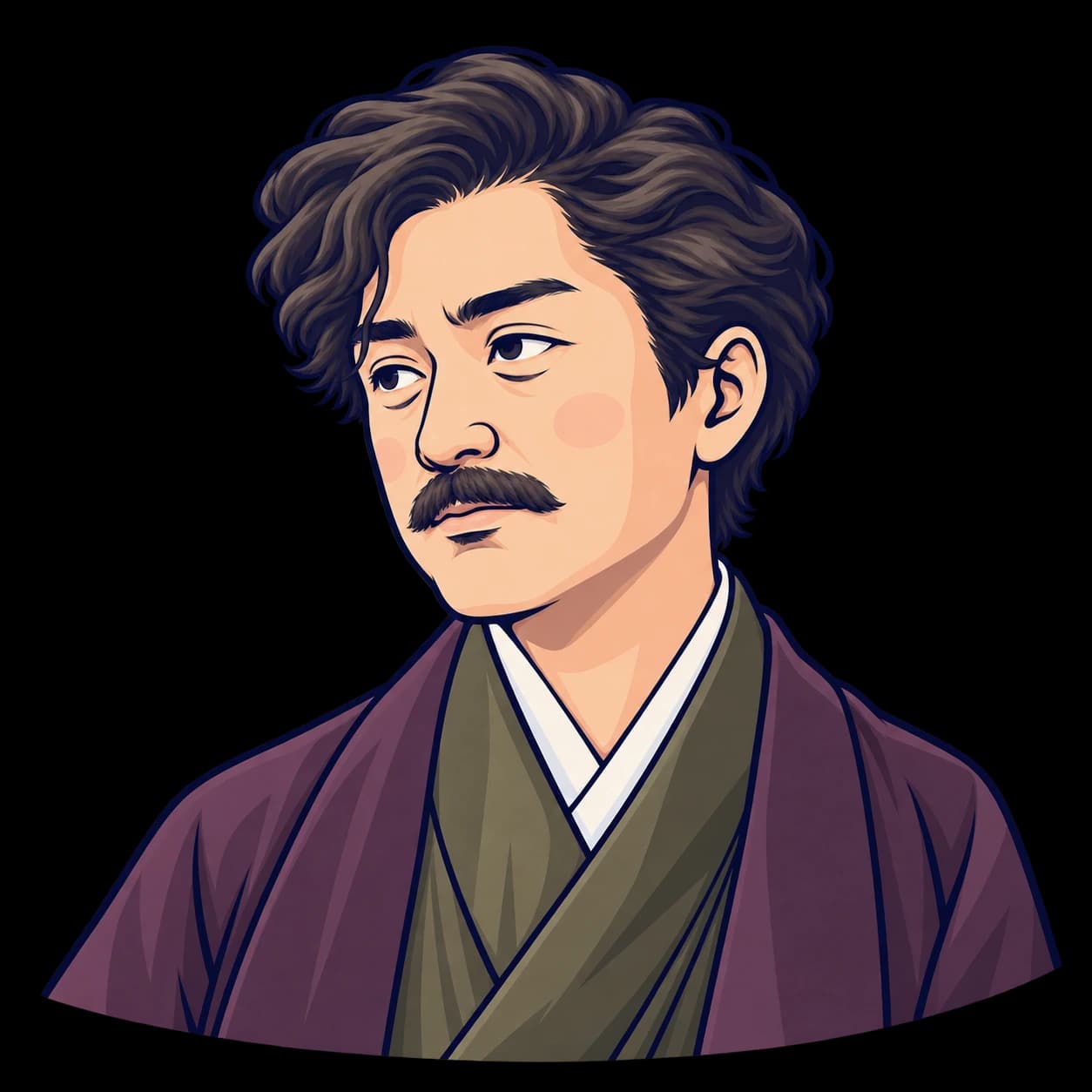
Japan · 1863–1913
A thinker and arts administrator who used The Book of Tea and writing on Asian art to think across tradition and modernity, East and West.
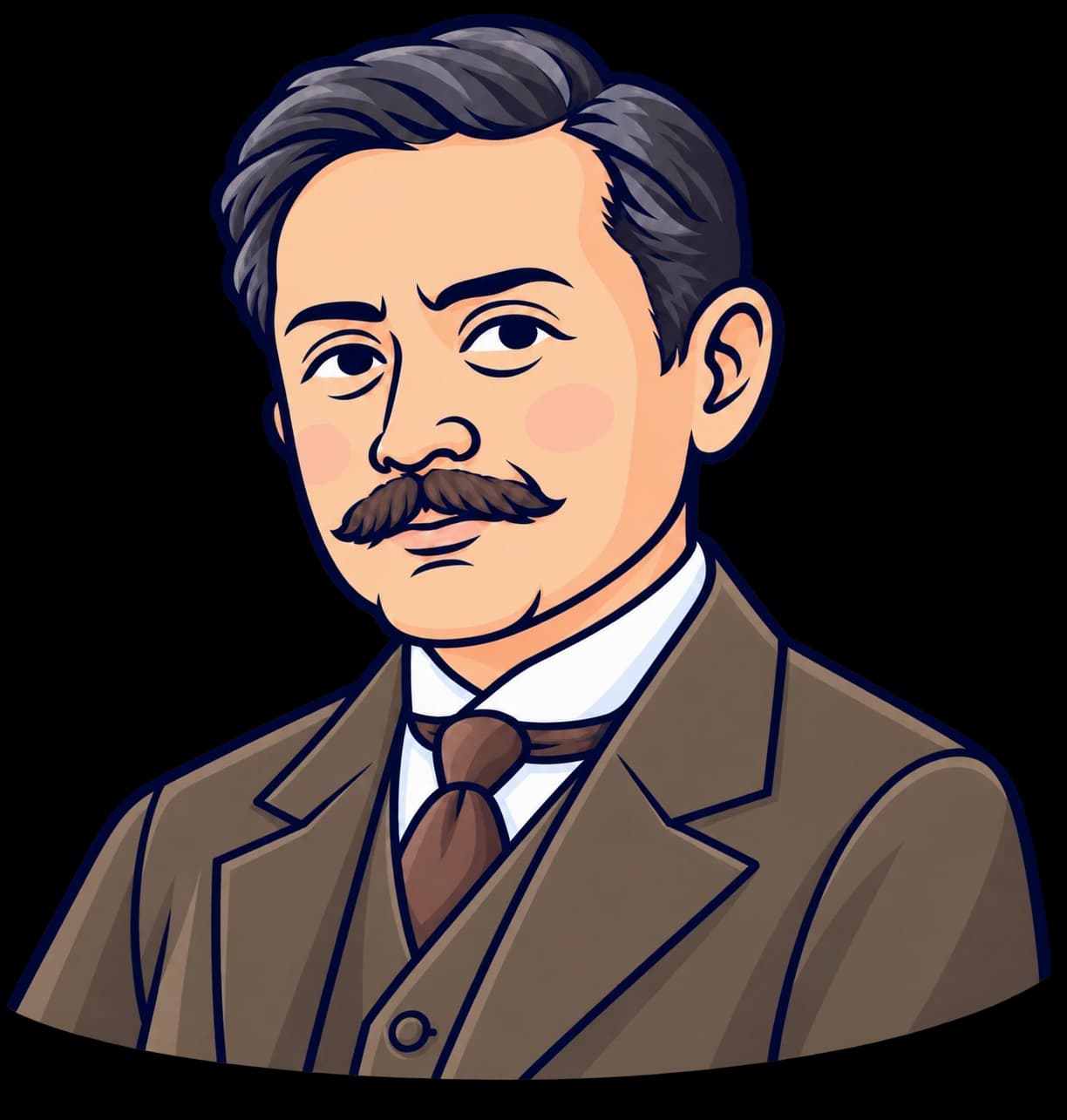
Japan · 1867–1916
A novelist and critic who probed the loneliness of modernization, self-centered independence, and the anxiety of the modern intellectual.
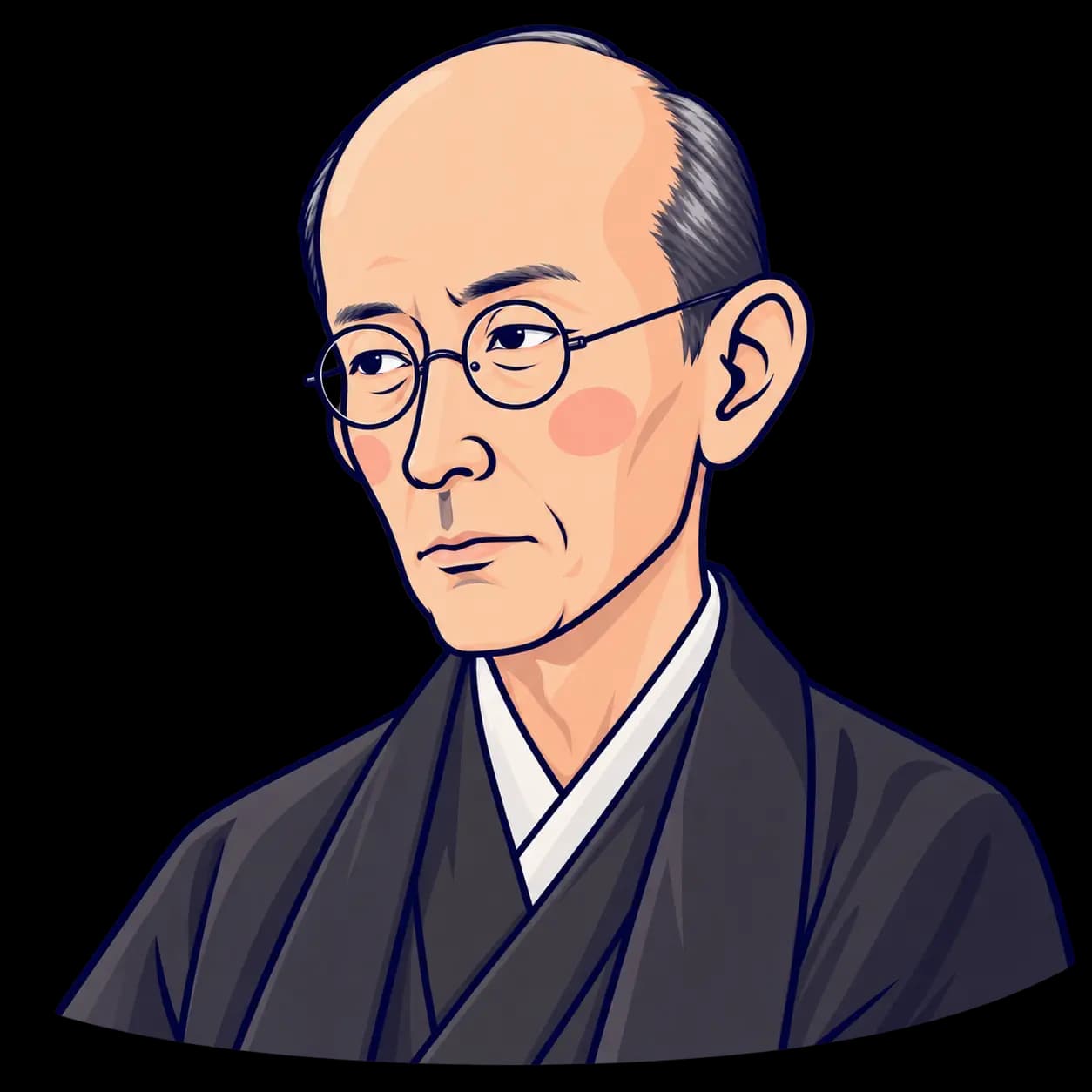
Japan · 1870–1945
A philosopher of the Kyoto School who explored pure experience, place, and the relation of self and world.
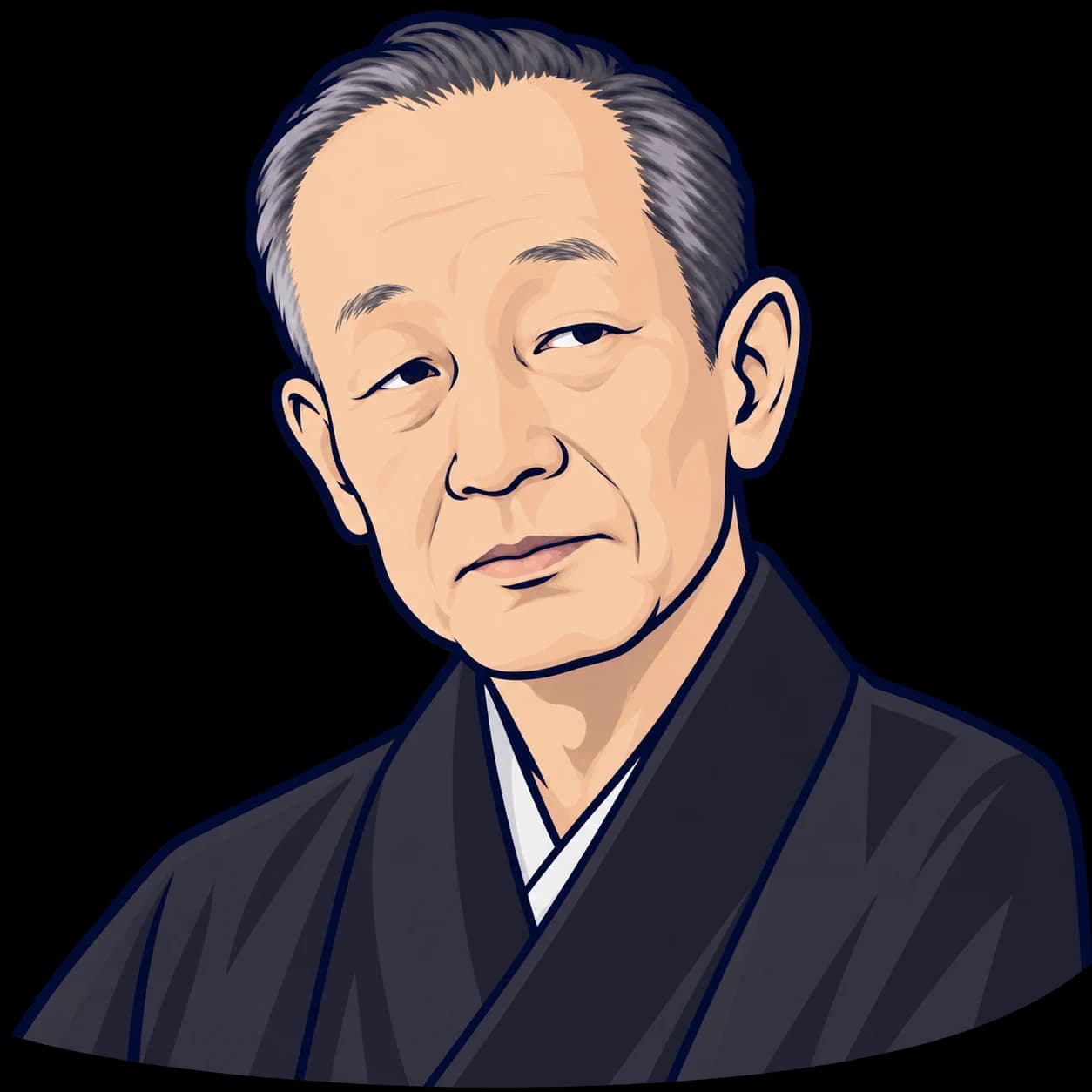
Japan · 1889–1960
A philosopher who grasped human existence from relationship, through betweenness, climate, and ethics.
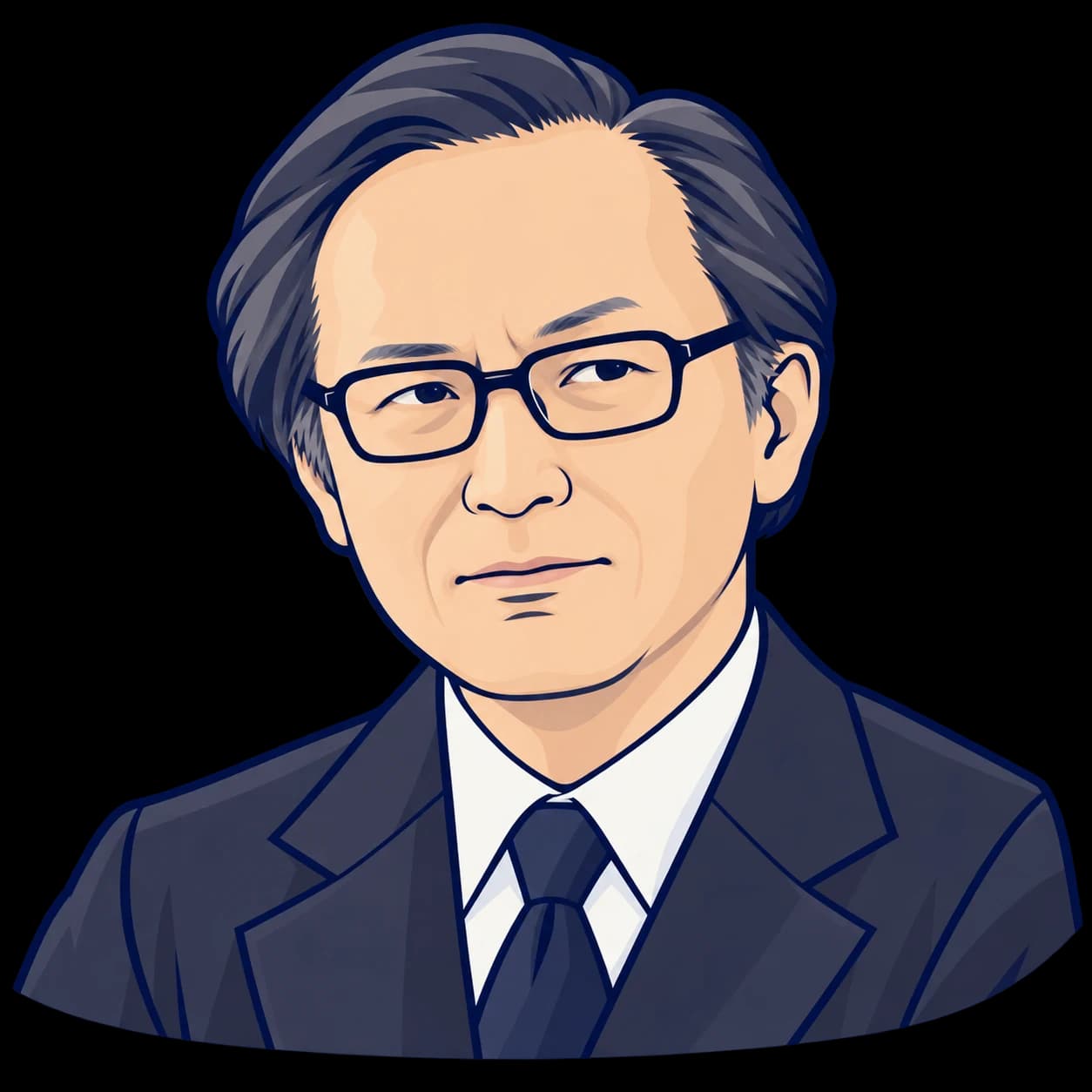
Japan · 1914–1996
A thinker who sharply analyzed the history of political thought, subjecthood, and the system of irresponsibility.
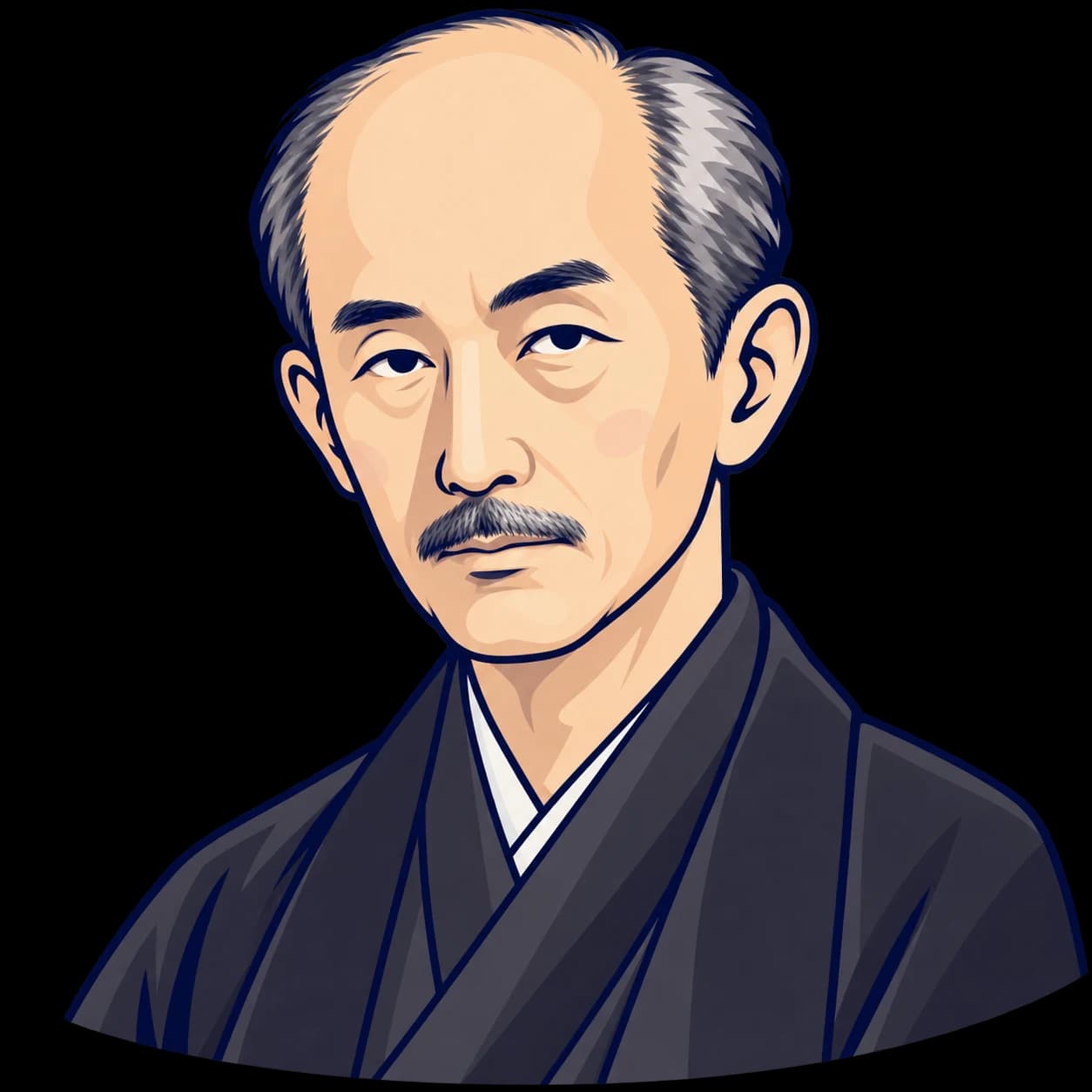
Japan · 1875–1962
A thinker who, through folklore studies, unearthed the wisdom and memory of nameless ordinary people.

China · c. 369–286 BCE
A Daoist thinker who taught the equality of all things, free and easy wandering, and the relativity of language and value.
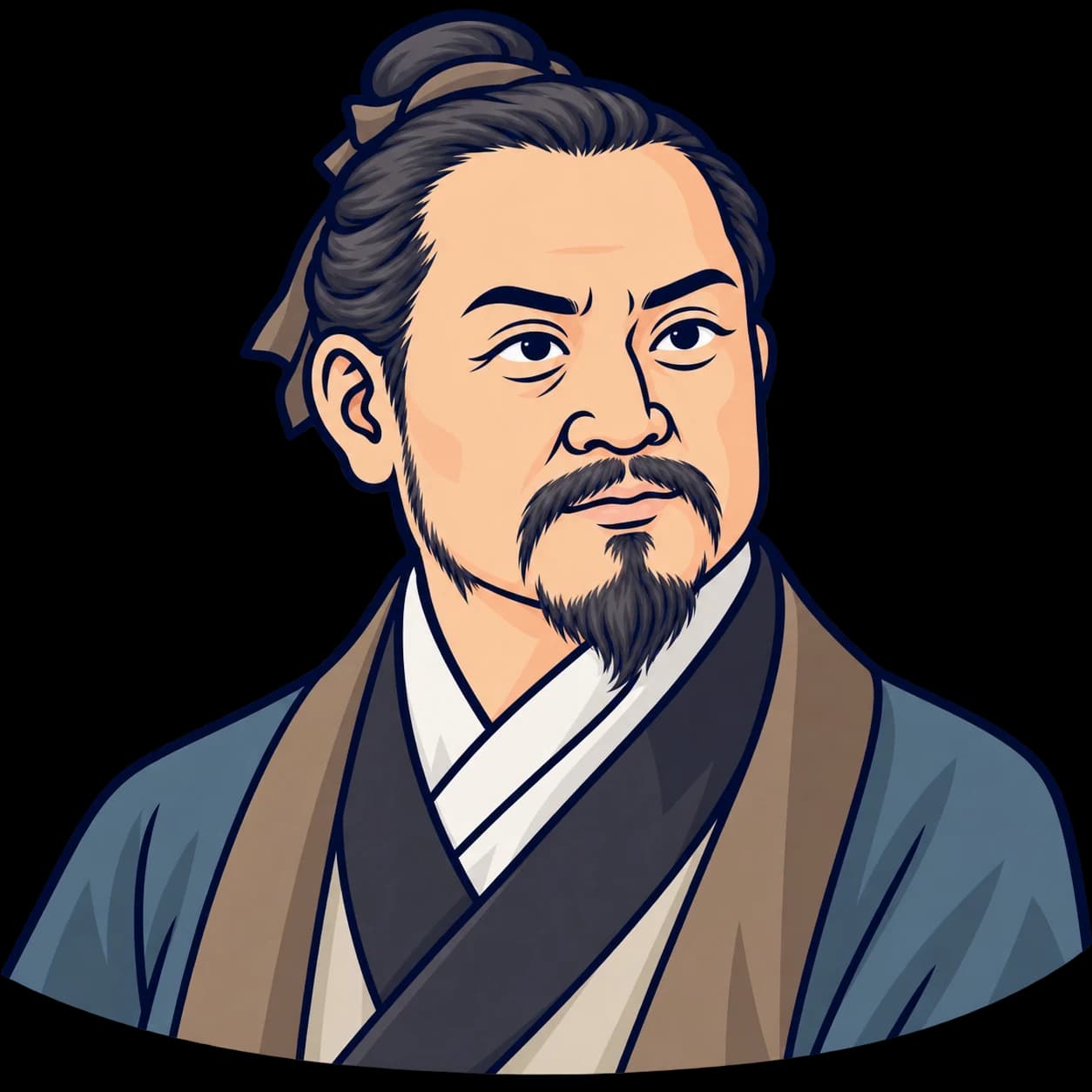
China · c. 372–289 BCE
A Confucian who taught that human nature is good, upheld humaneness and righteousness, and put the people first in politics.

China · c. 313–238 BCE
A Confucian thinker who held that human nature is bad and stressed ritual and learning as the means to correct it.

China · c. 280–233 BCE
A Legalist thinker who prized law, technique, and positional power, and looked coldly at human self-interest.
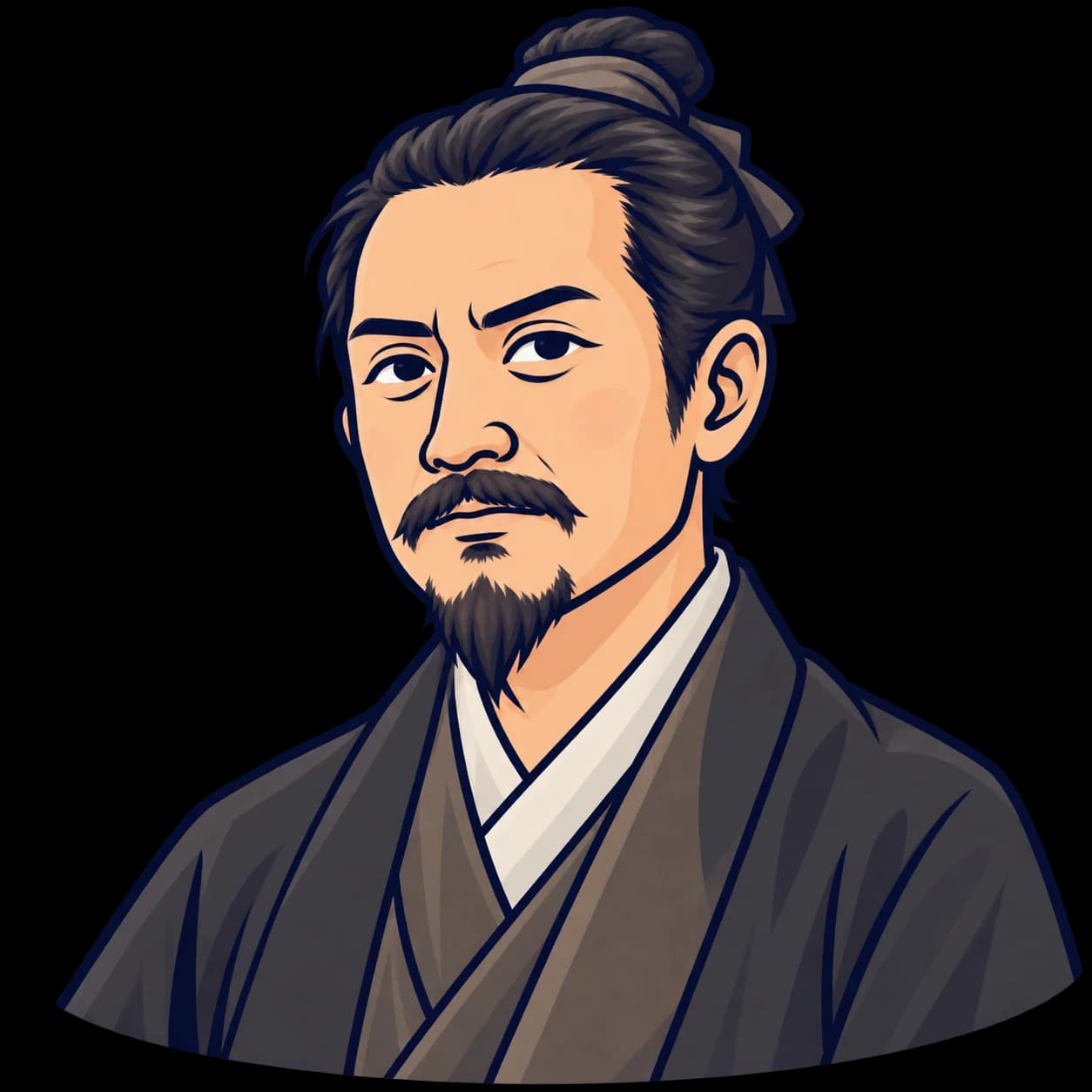
China · c. 470–391 BCE
A practical thinker who taught impartial care, opposition to aggressive war, and frugality.
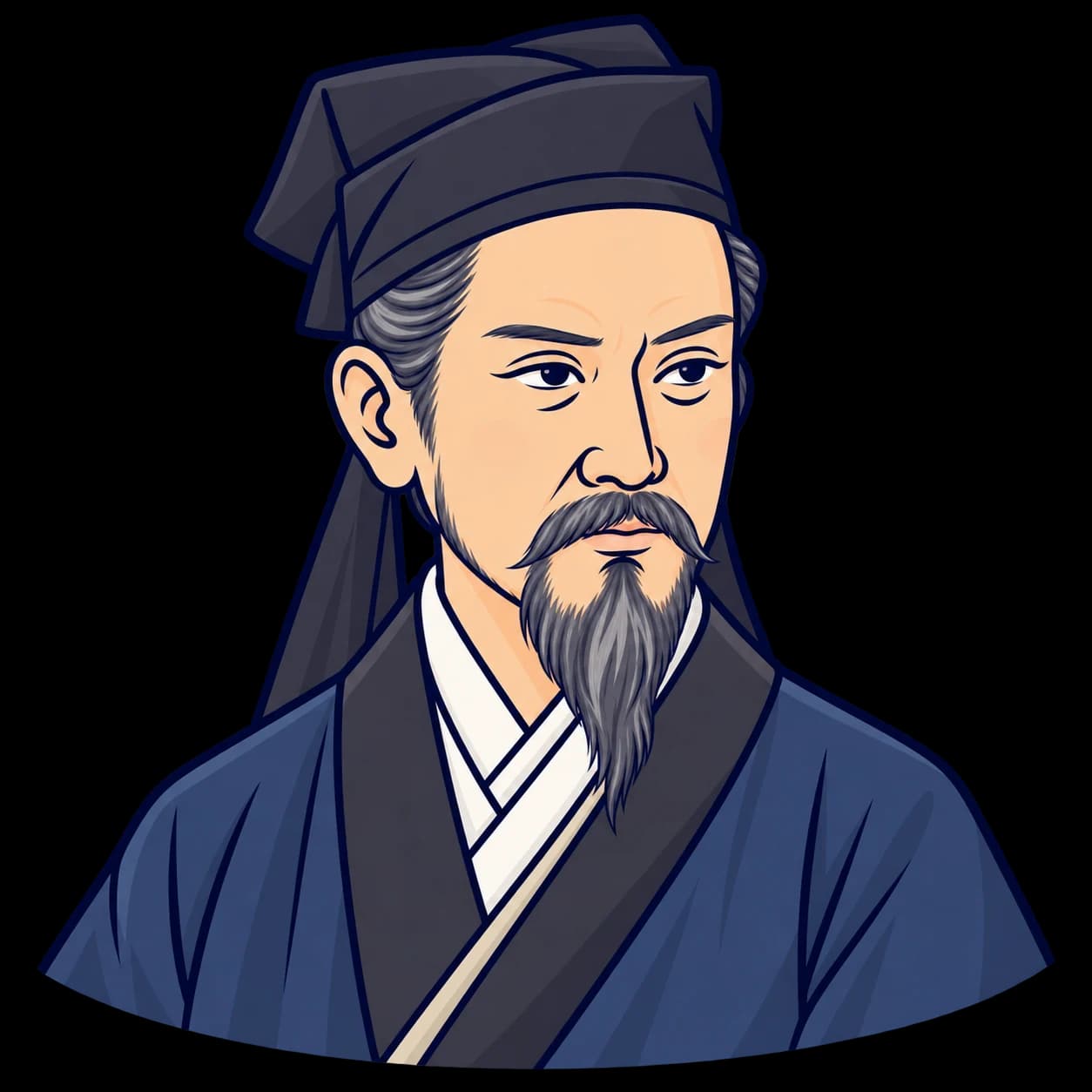
China · 1130–1200
The great synthesizer of Neo-Confucianism, who systematized principle and material force, the investigation of things, and self-cultivation.

China · 1472–1529
The central figure of the Yangming school, who taught that mind is principle and that knowing and doing are one.

China · c. 5th century BCE
A master strategist who prized winning without fighting, and the roles of information, terrain, and momentum.
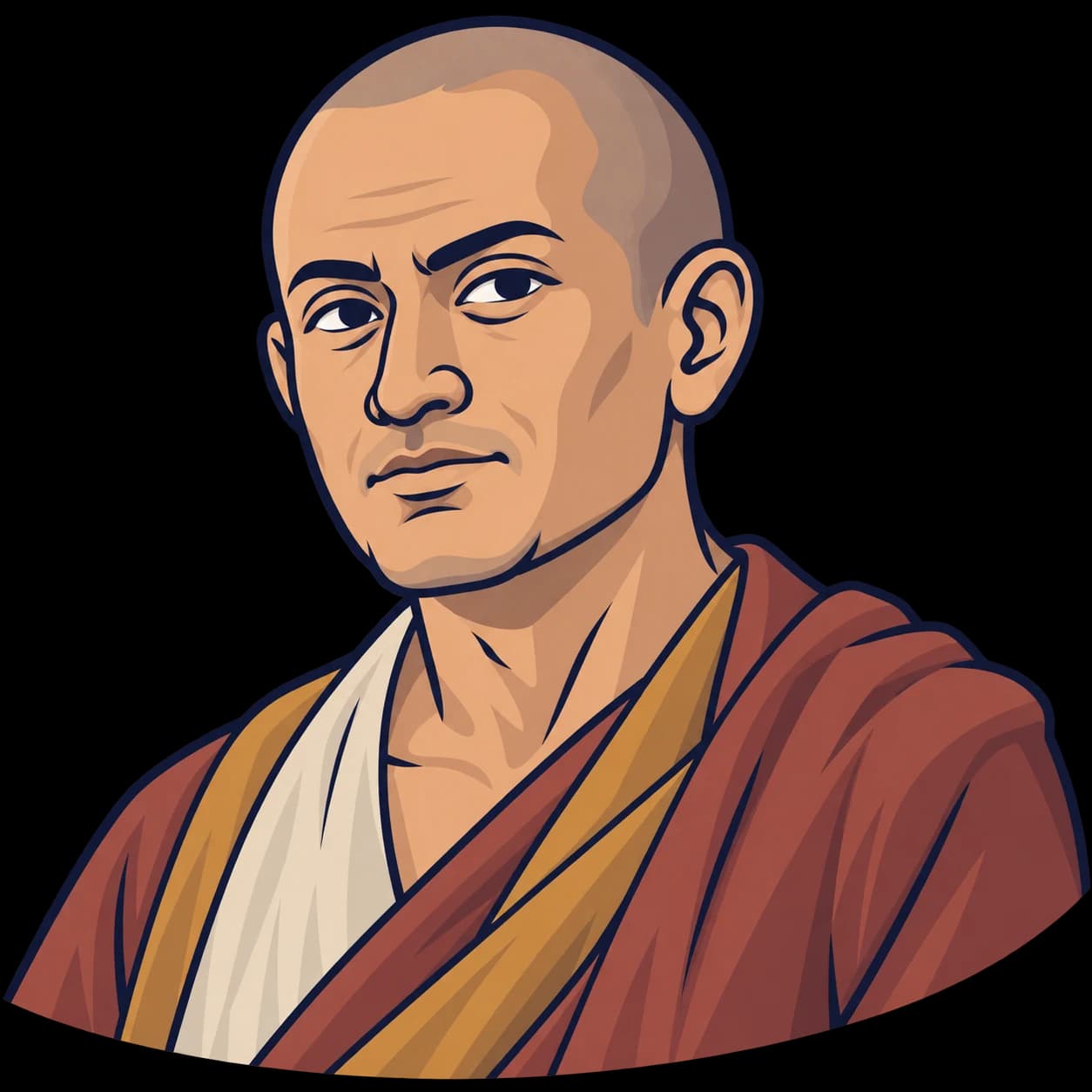
India · c. 150–250
A major Mahāyāna Buddhist thinker who developed emptiness (śūnyatā), the Middle Way, and the doctrine of the two truths.
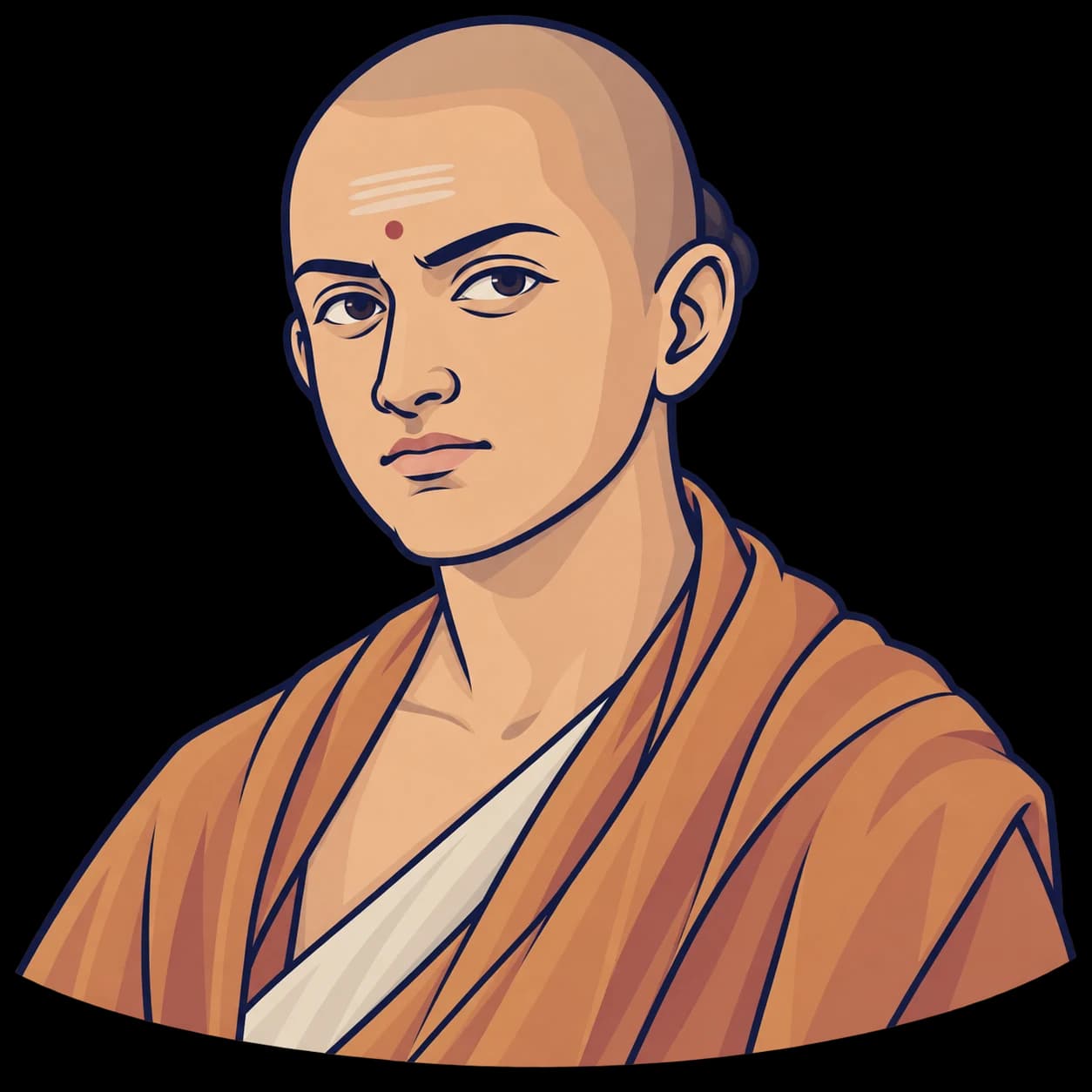
India · c. 788–820
A philosopher who systematized non-dualism (Advaita Vedānta) and taught the identity of the true self and Brahman.
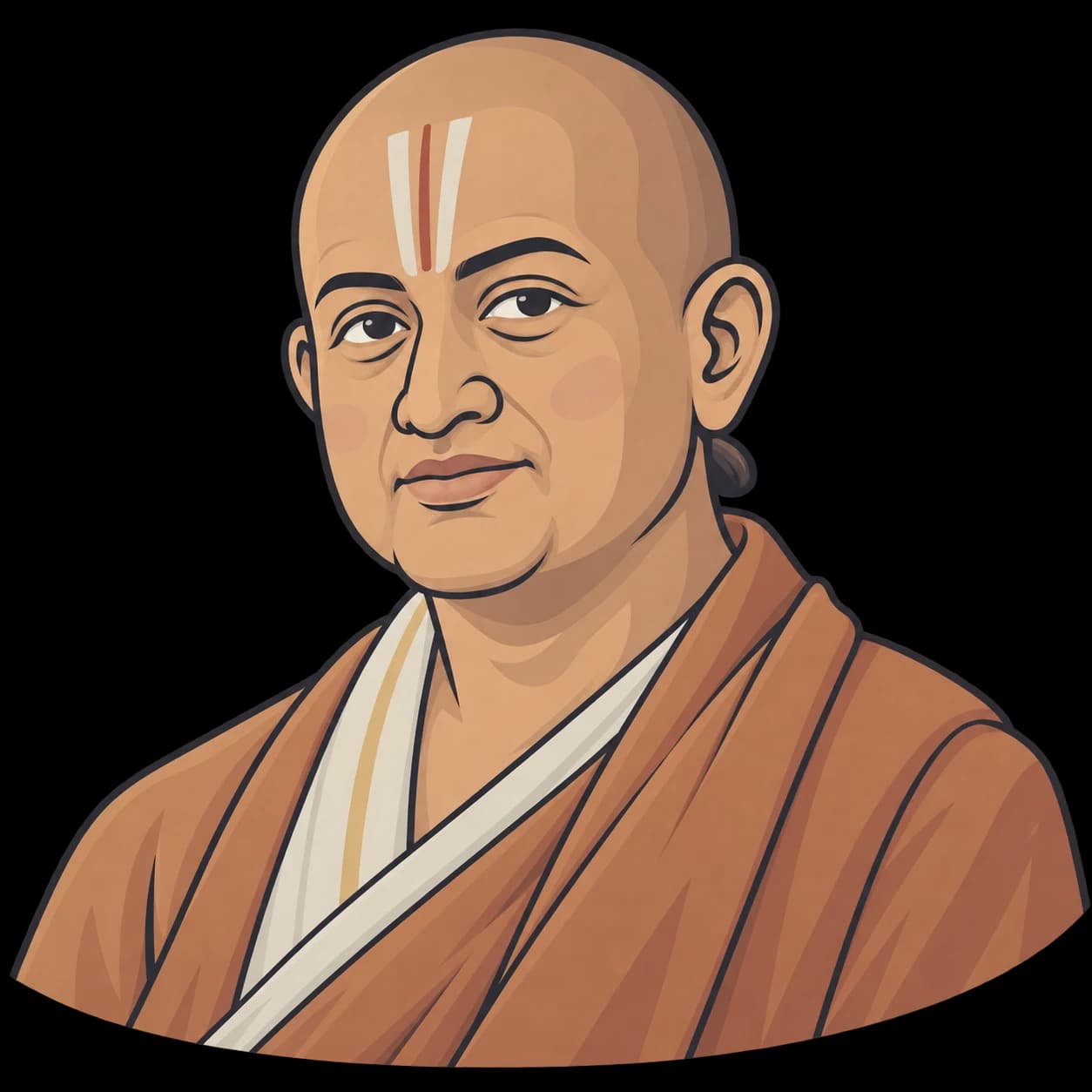
India · 1017–1137
A philosopher who taught qualified non-dualism (Viśiṣṭādvaita) and prized loving devotion to a personal God.
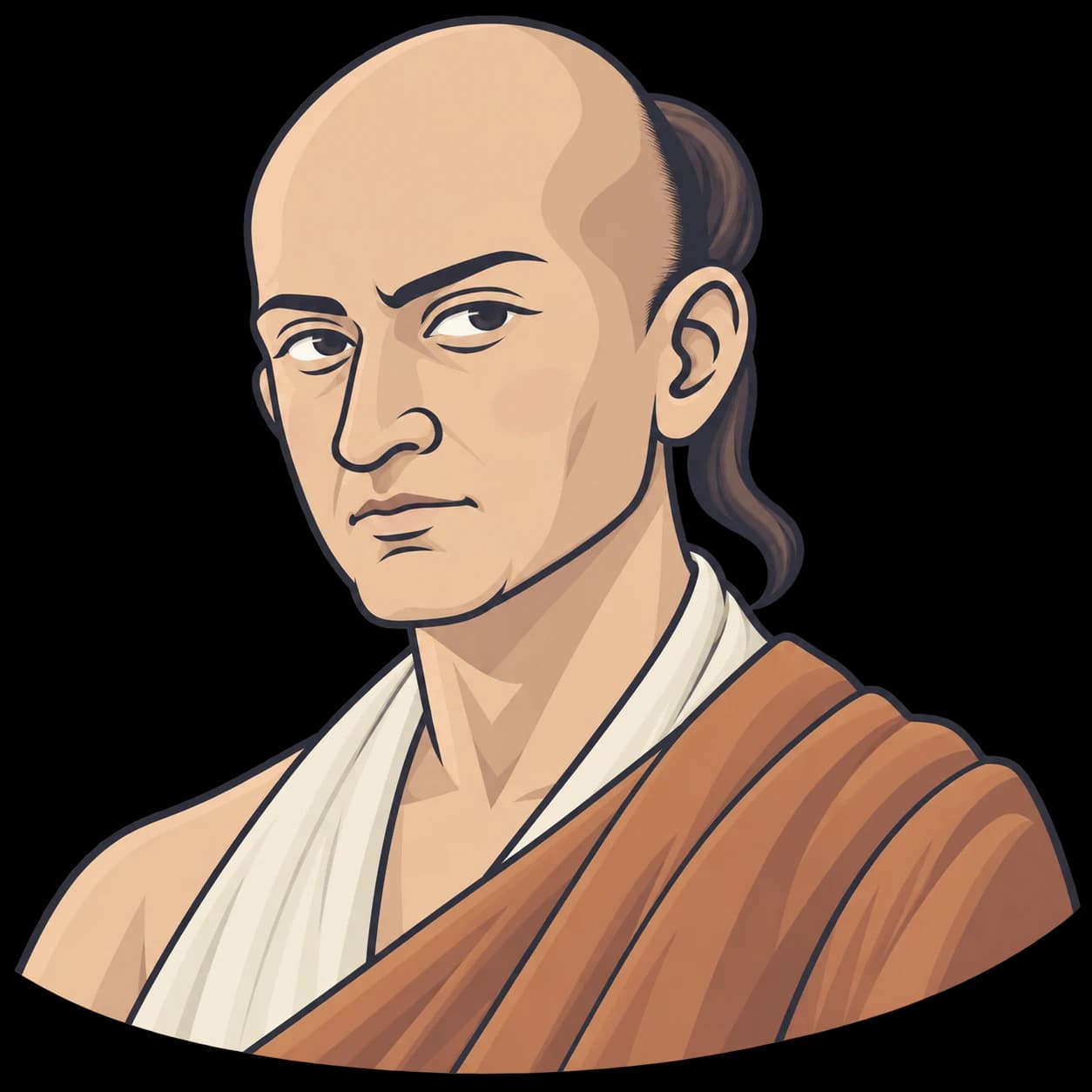
India · c. 4th century BCE
The thinker behind the Arthashastra, who set out statecraft, economics, and the strategy of diplomacy.
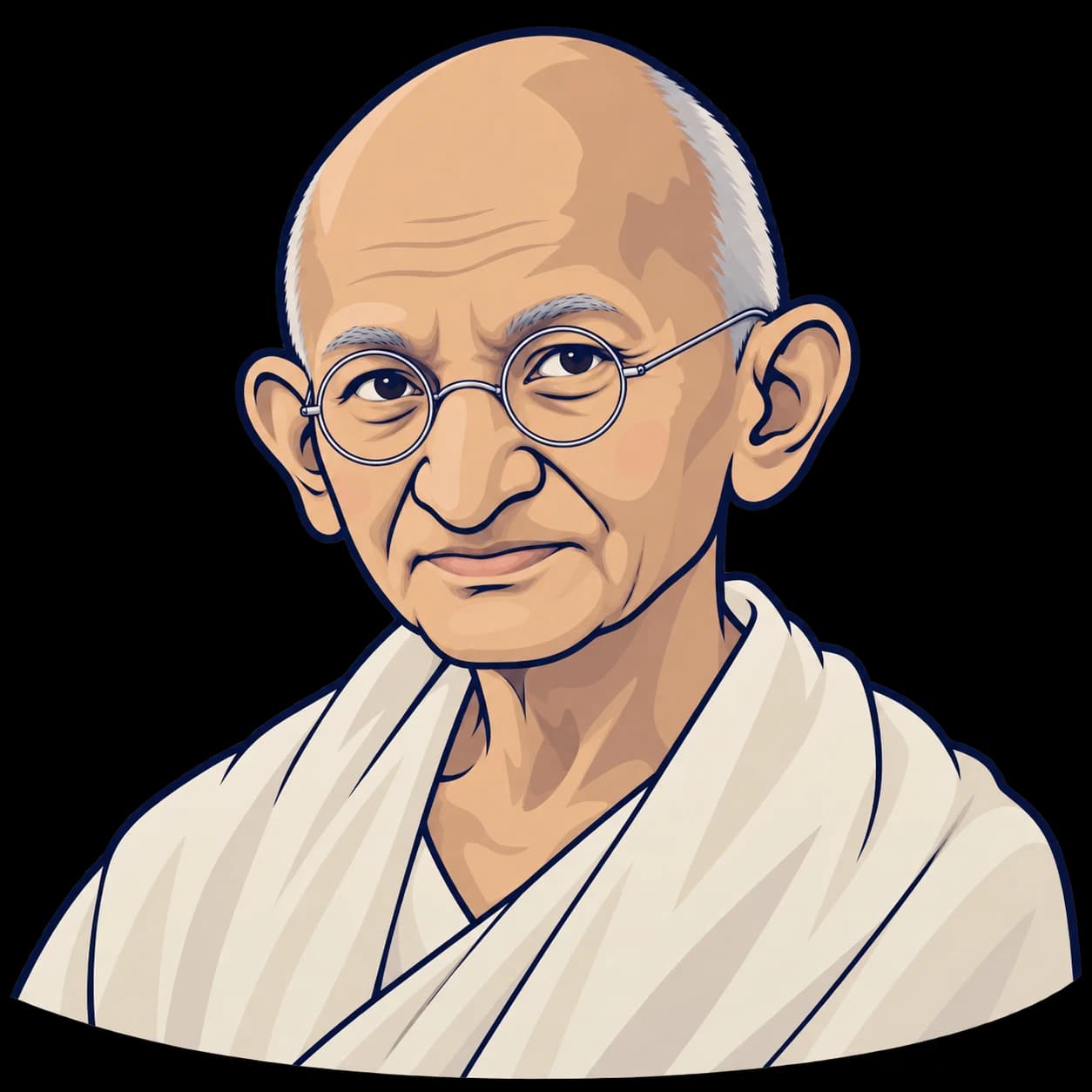
India · 1869–1948
A political leader and thinker who practiced nonviolence, civil disobedience, and a holding-fast to truth.
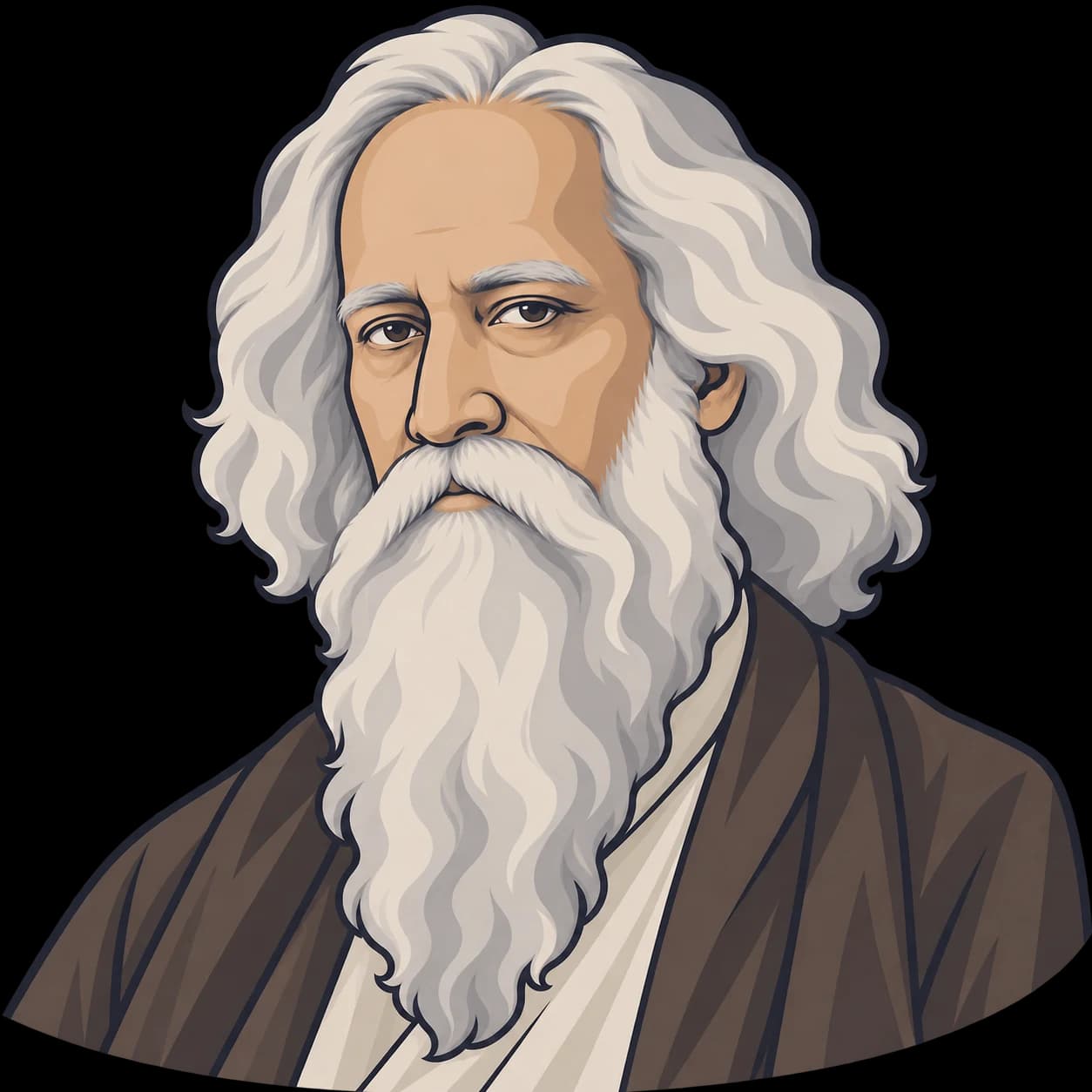
India · 1861–1941
A poet and thinker who prized poetry, education, and a universal humanity.
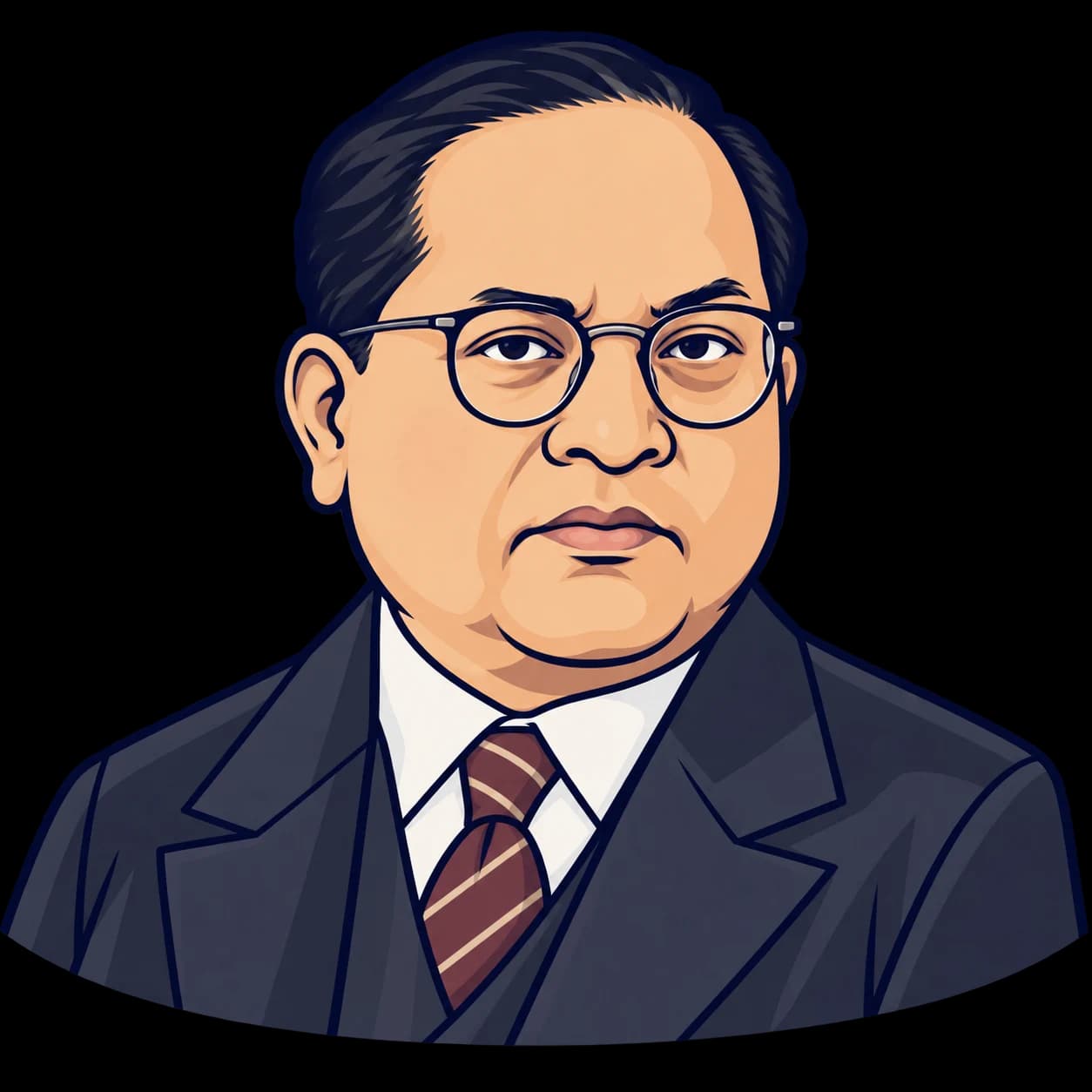
India · 1891–1956
A thinker and statesman who pursued the critique of caste, constitutional law, and social justice.
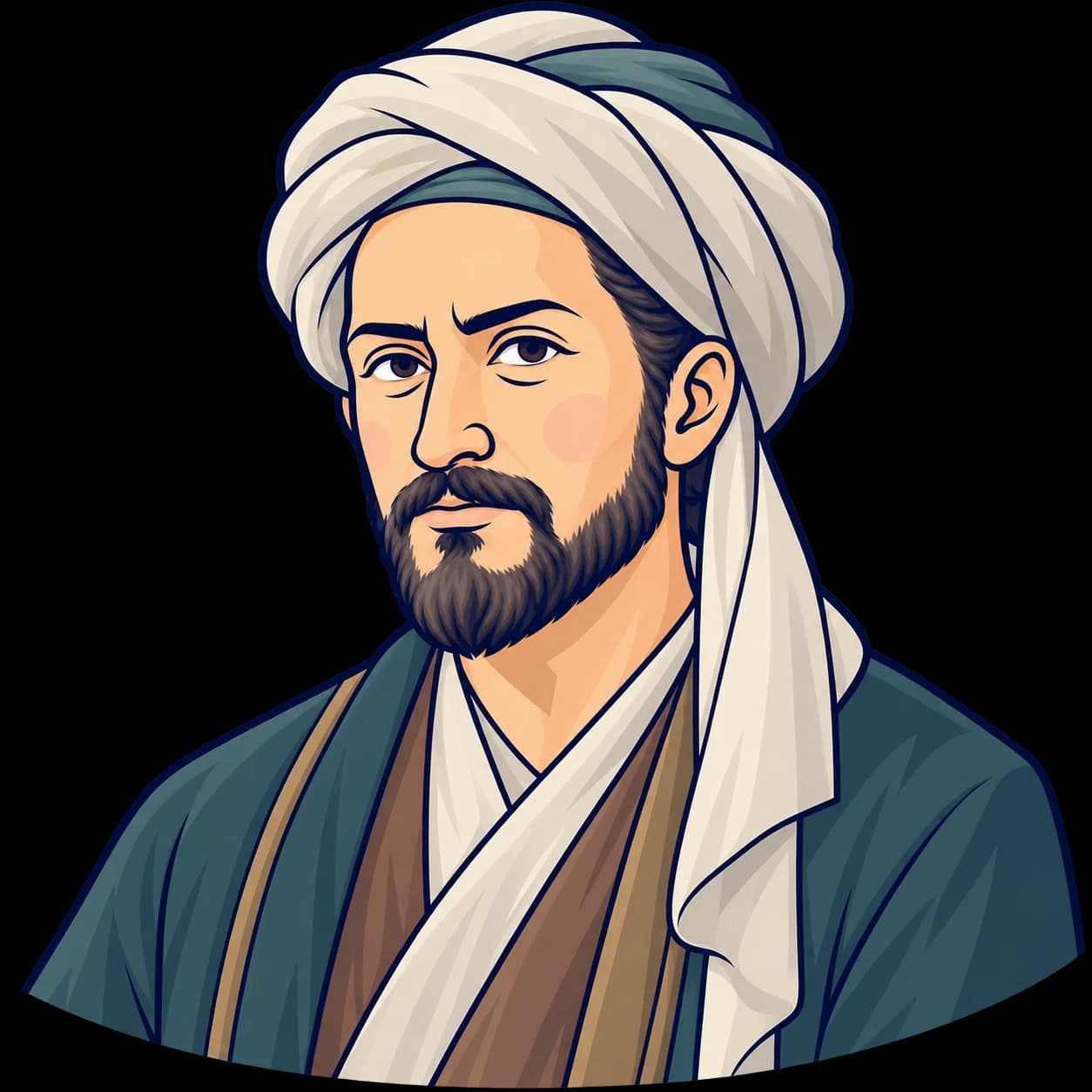
Persia · c. 980–1037
A giant of Islamic philosophy who unified medicine, metaphysics, and the theory of the intellect.
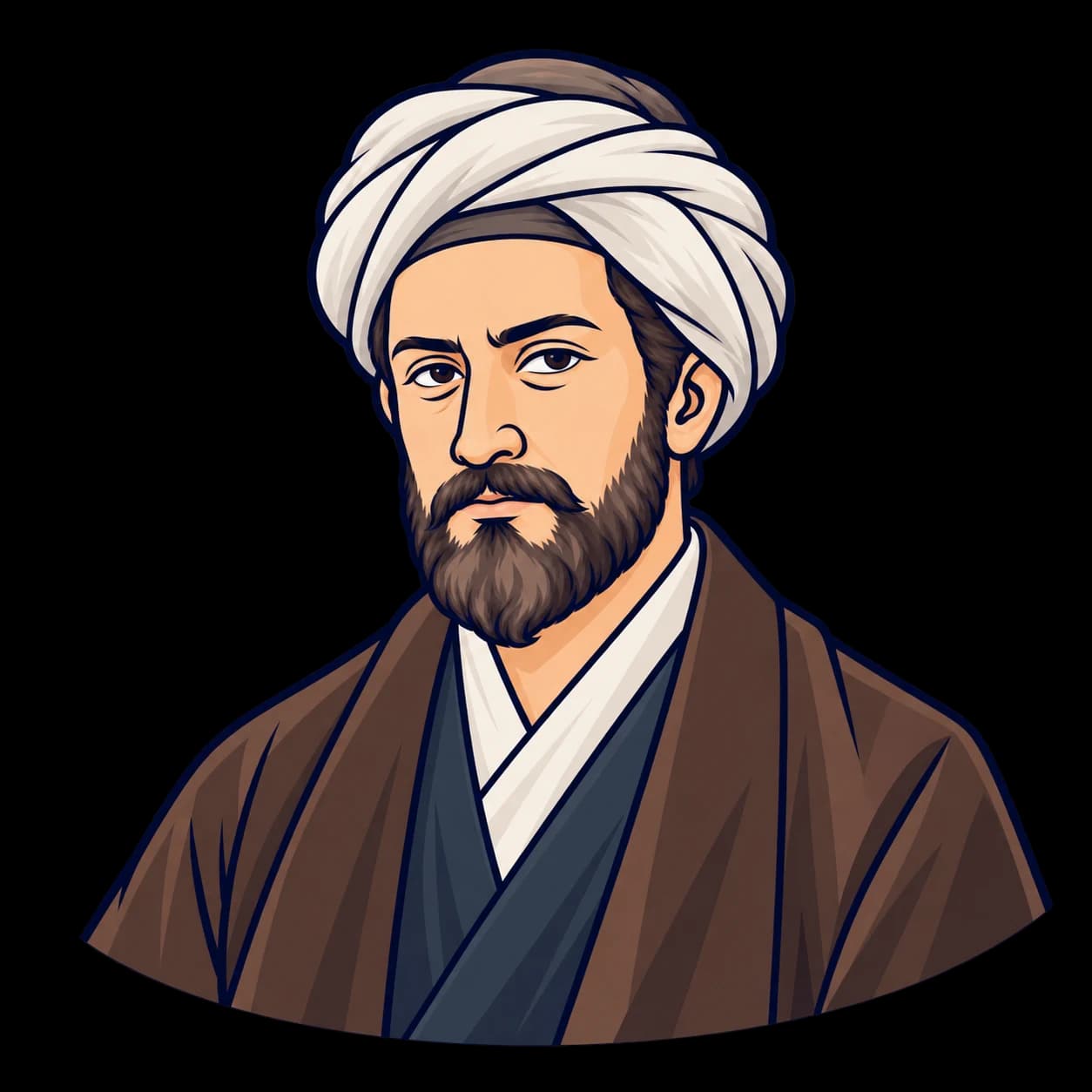
Persia · 1058–1111
A thinker who ranged across doubt, faith, the critique of philosophy, and mysticism (Sufism).

al-Andalus · 1126–1198
A philosopher who commented on Aristotle and argued for the harmony of reason and revelation.
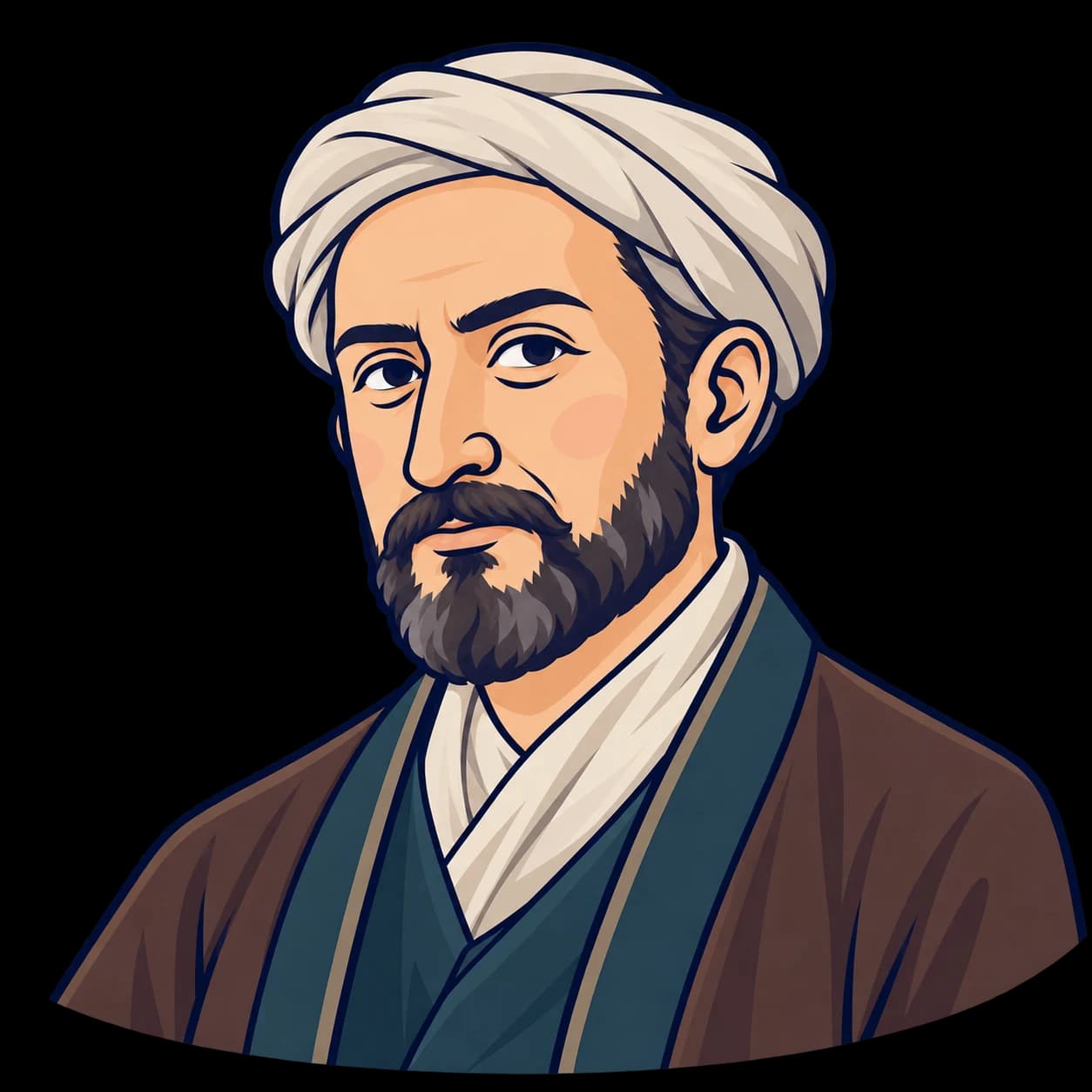
Tunis · 1332–1406
A thinker who analyzed the sociology of history, group solidarity (asabiyya), and the rise and fall of civilizations.
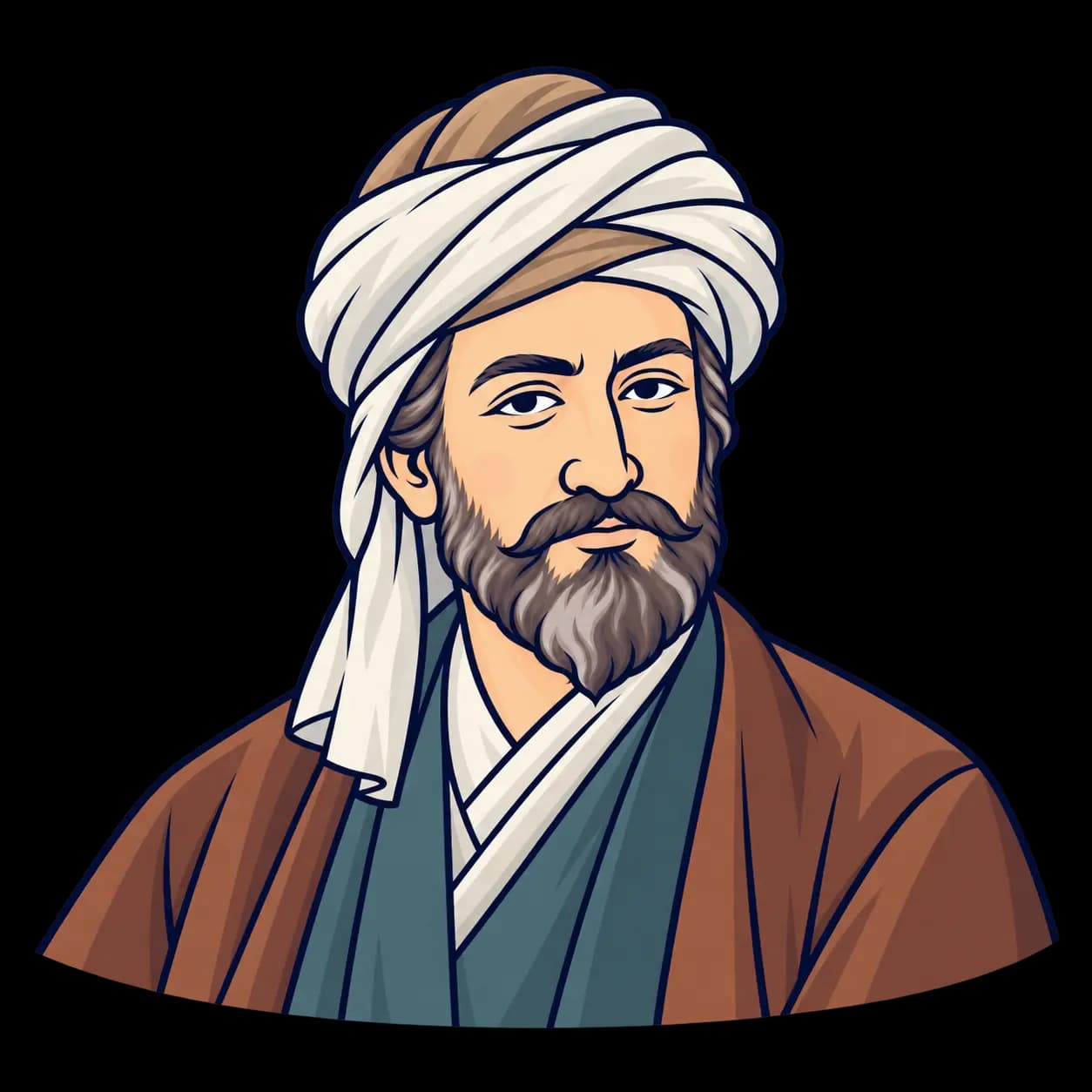
Persia · 1207–1273
A Sufi poet who spoke of self-transformation through love, mystery, and verse.
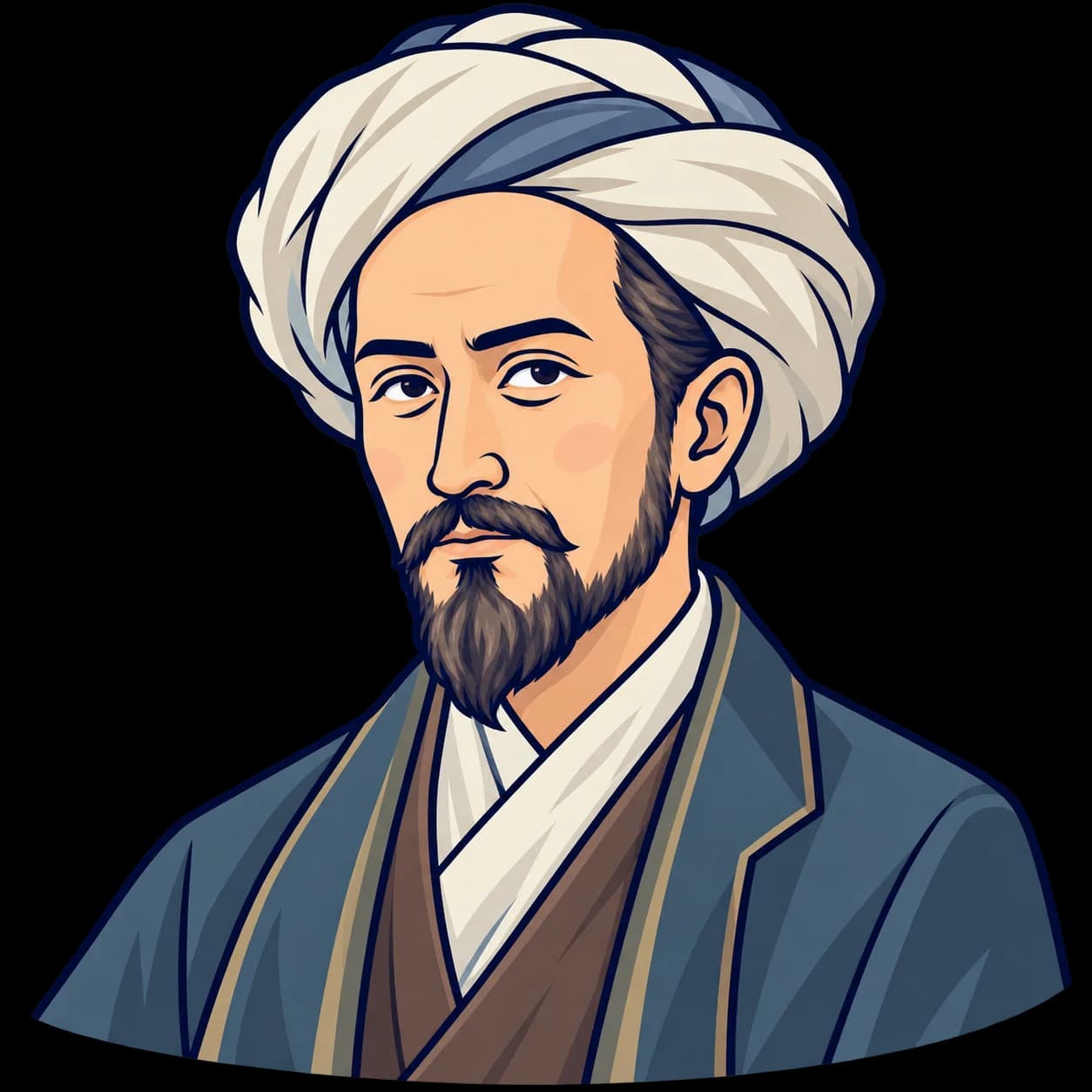
Islamic world · c. 872–950
A philosopher who conceived political philosophy, the theory of the intellect, and the virtuous city.
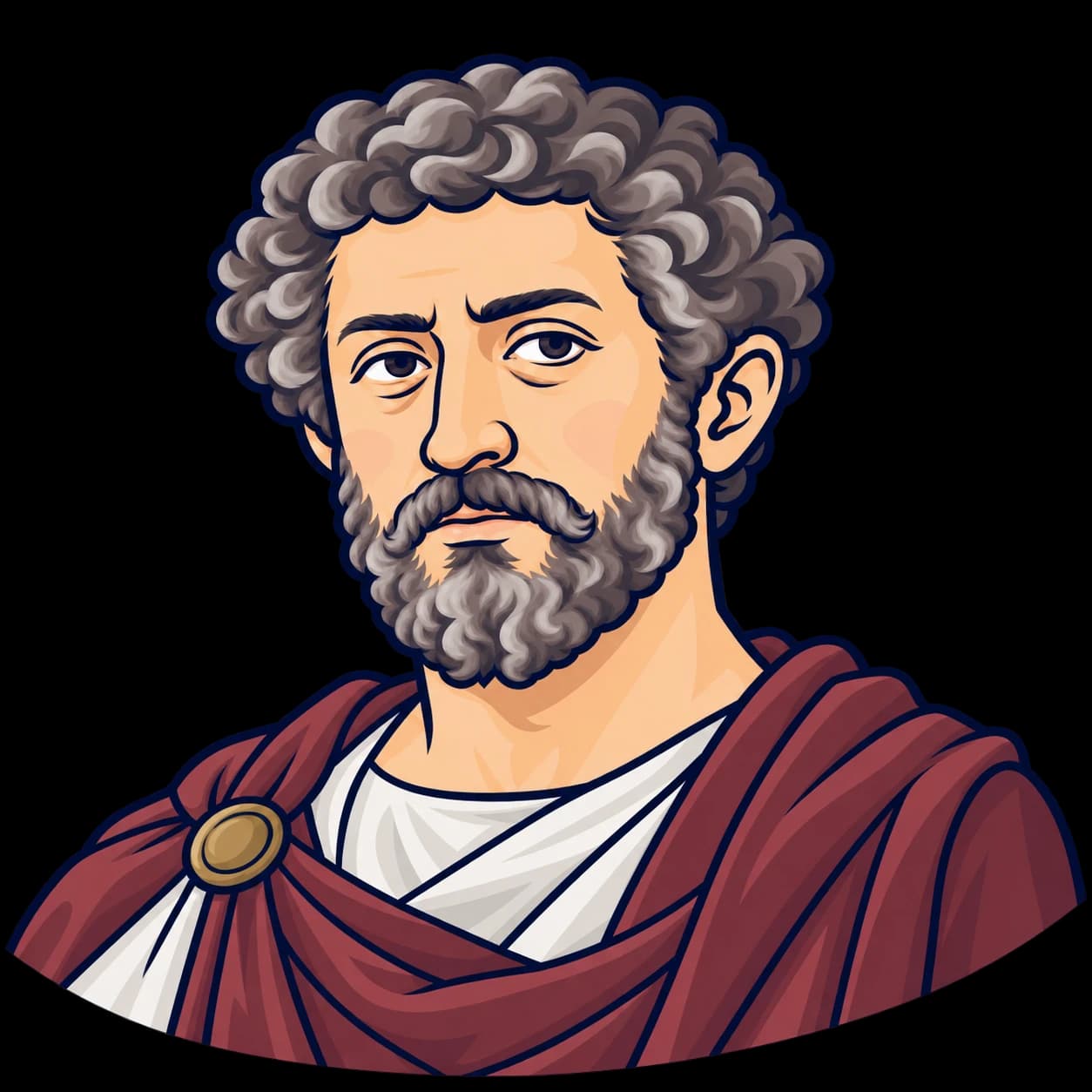
Rome · 121–180
The philosopher-emperor and Stoic who wrote of duty, self-command, and a life lived in accord with nature.
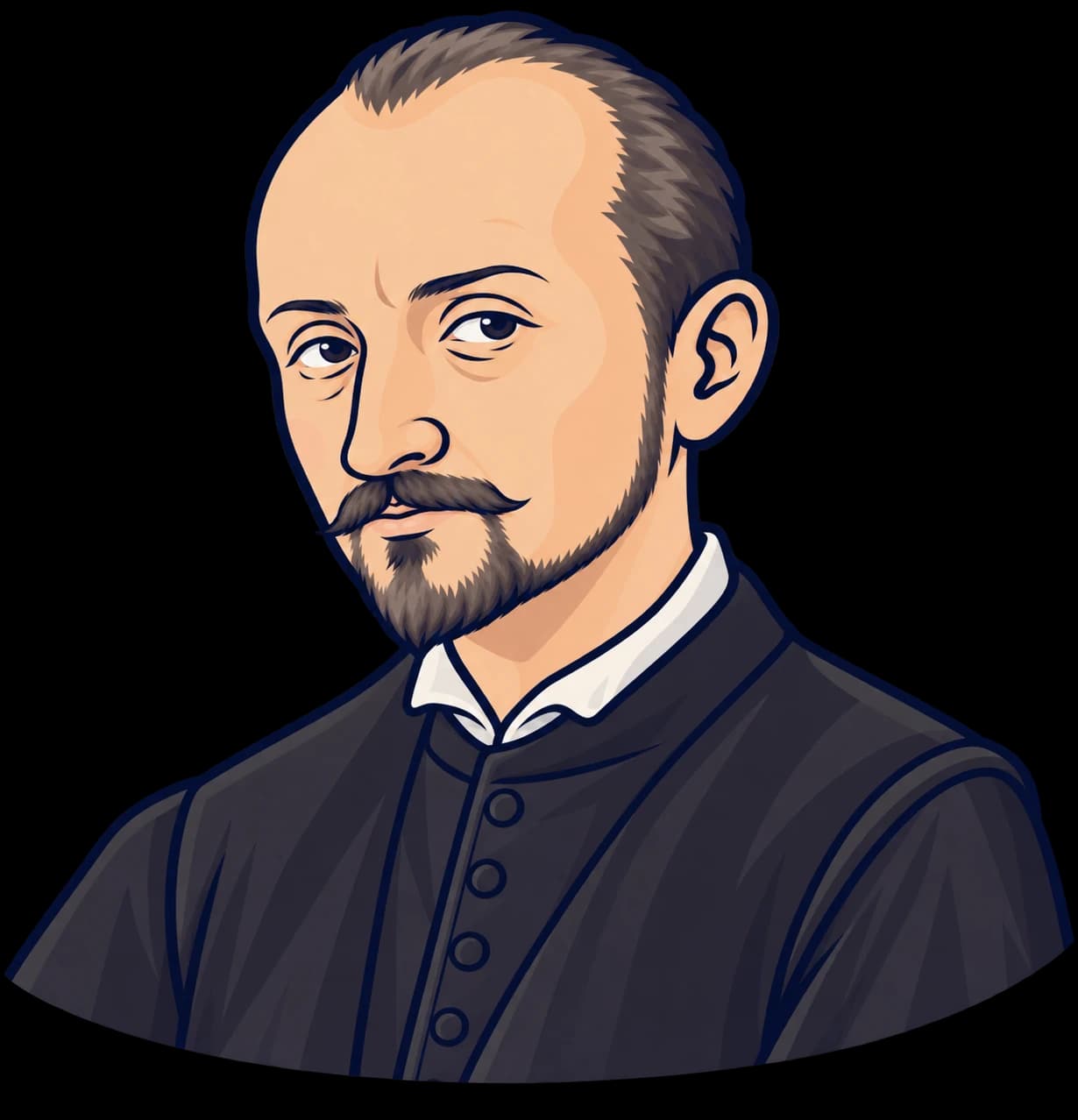
France · 1533–1592
The father of the essay, who asked 'What do I know?' and never stopped observing himself.
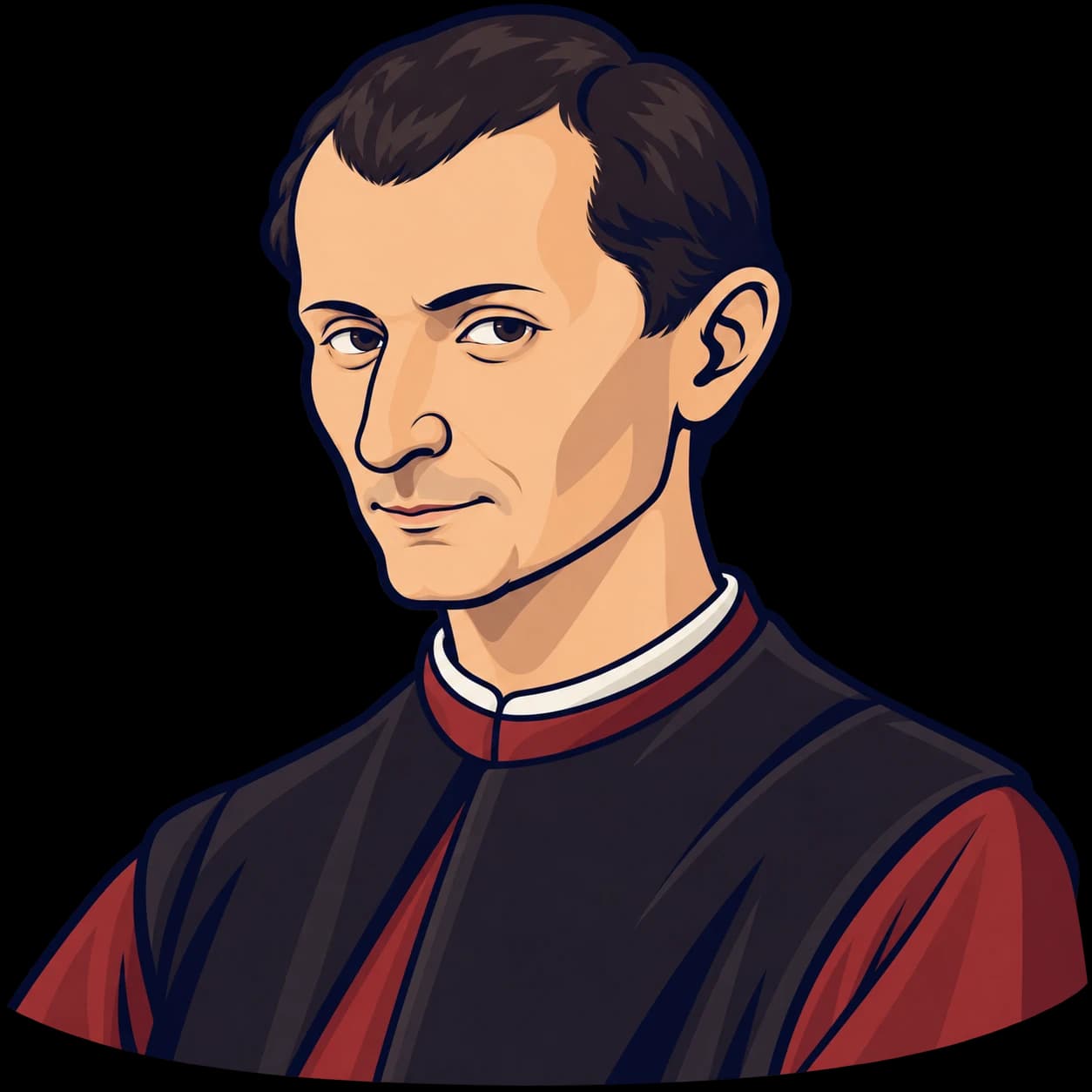
Italy · 1469–1527
A political thinker who dissected the reality of power, fortune, and prowess with cold clarity.
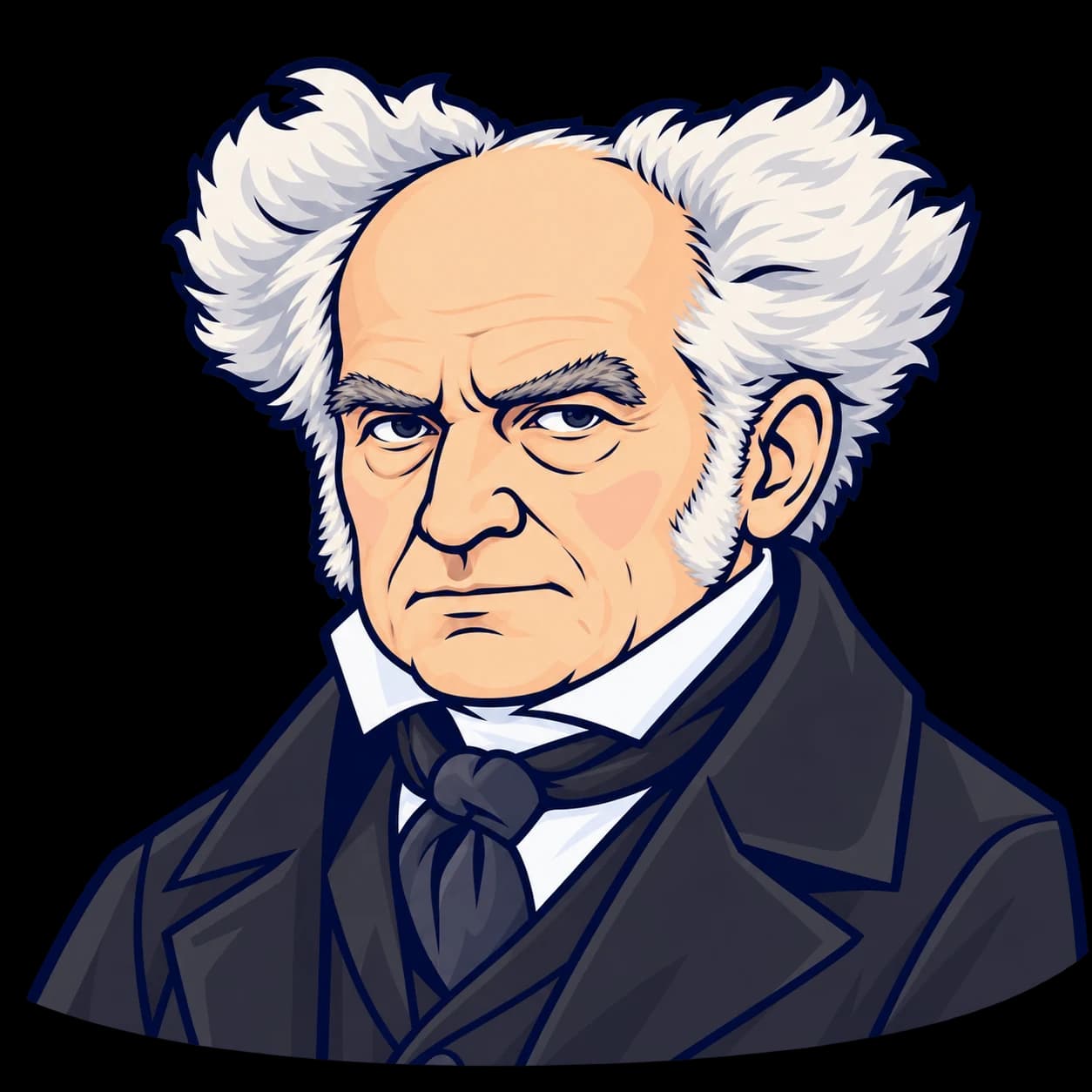
Germany · 1788–1860
A philosopher of pessimism and hard insight who described a blind will and the endless recurrence of suffering.
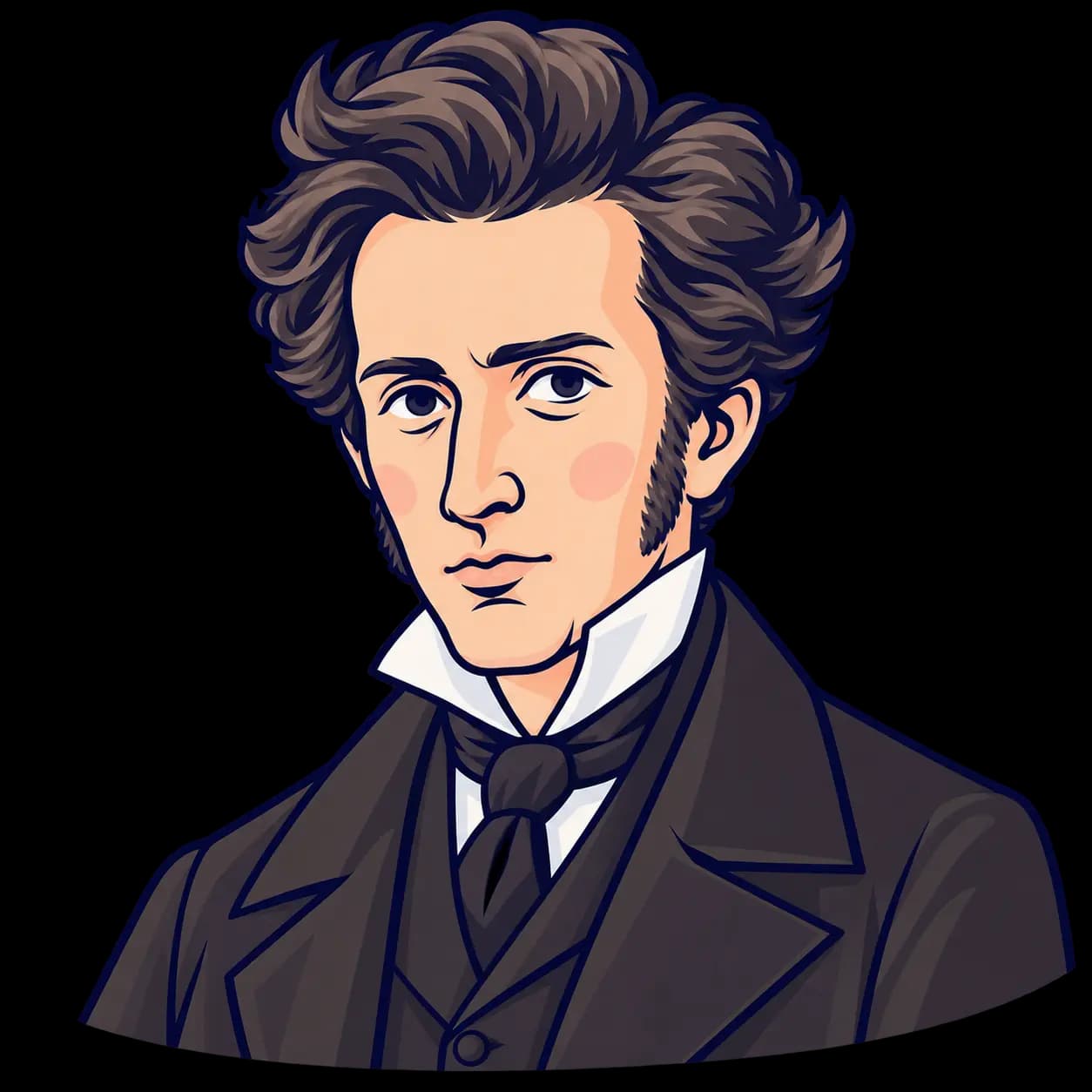
Denmark · 1813–1855
A forerunner of existential thought who gazed into anxiety, despair, and the leap of faith.