






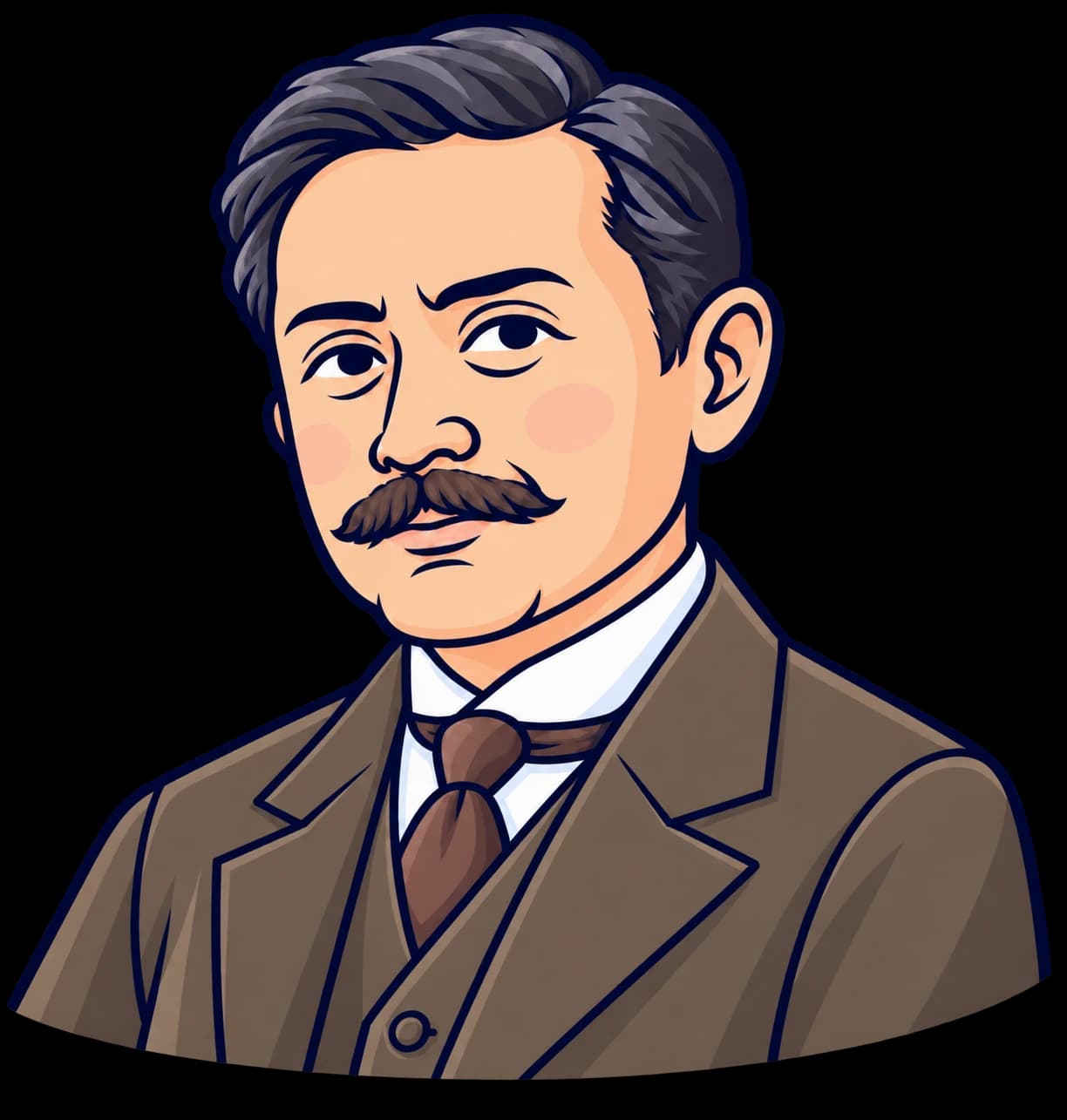
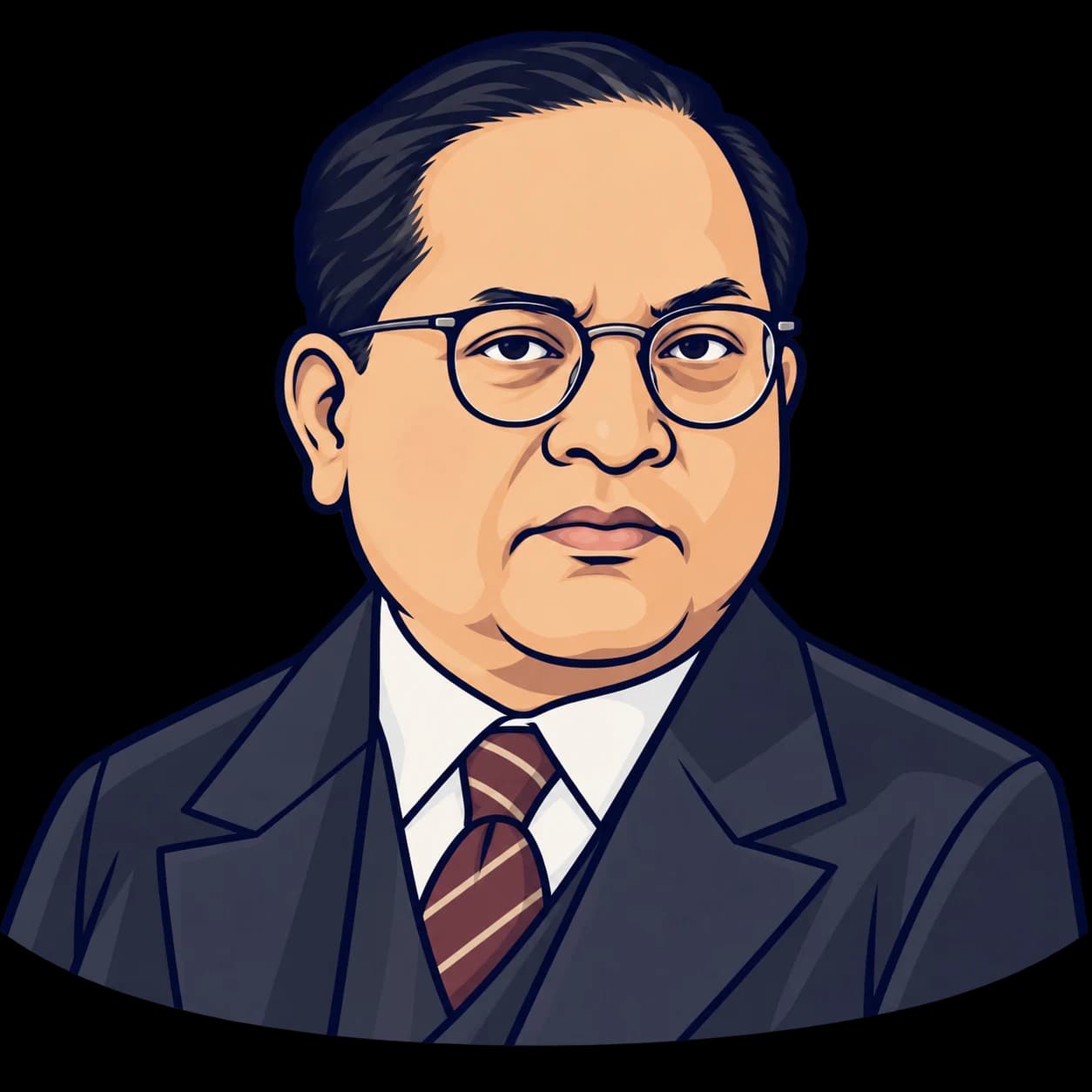

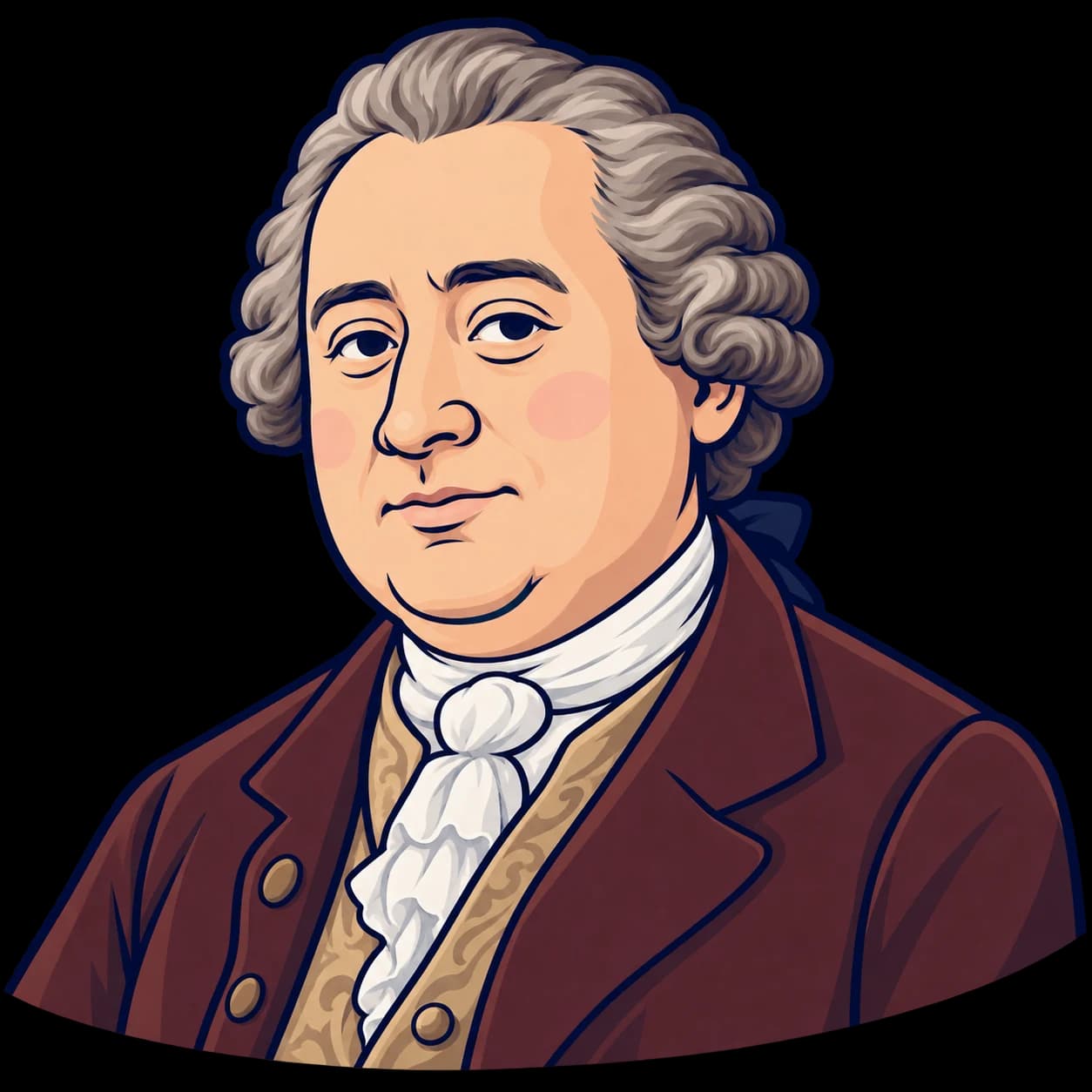


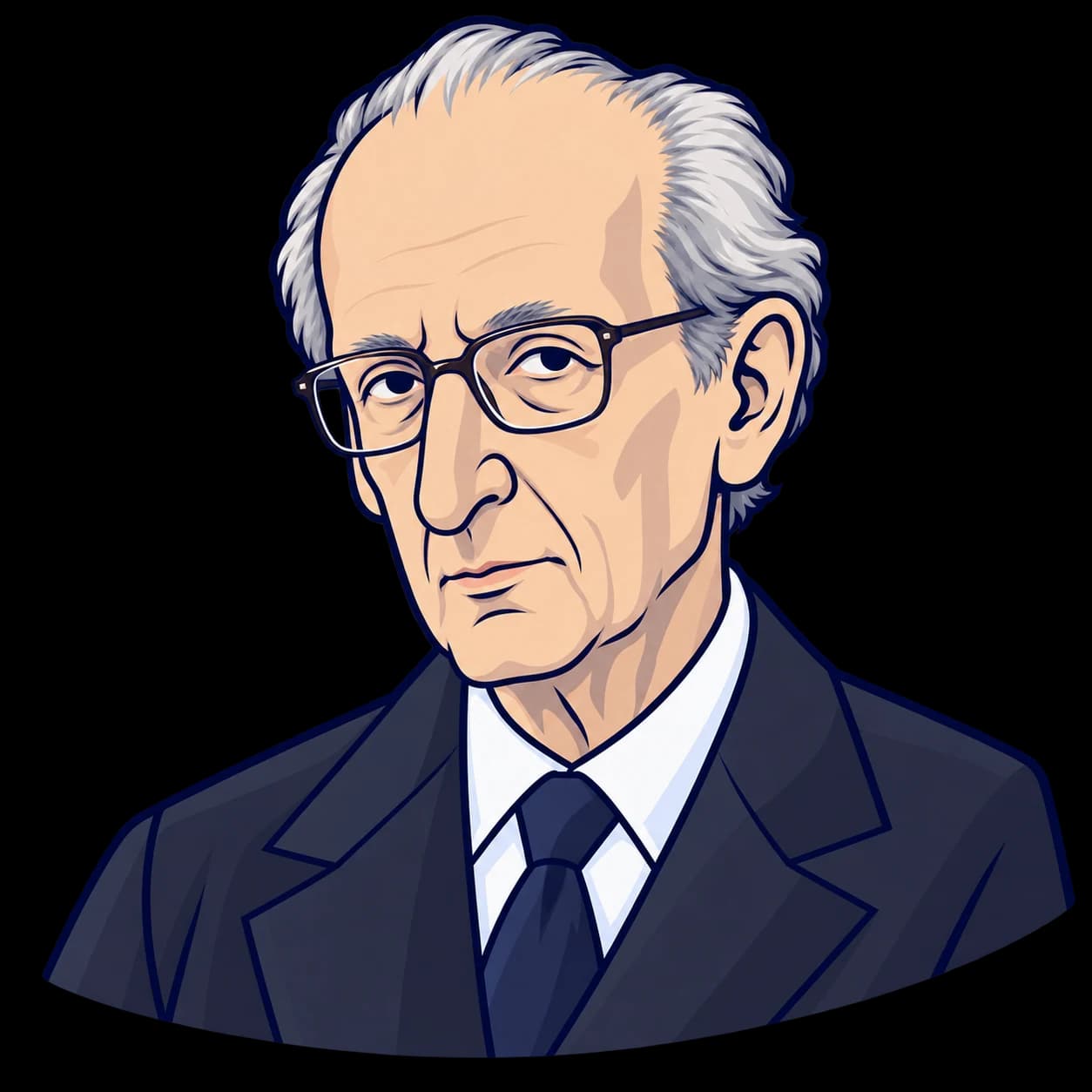
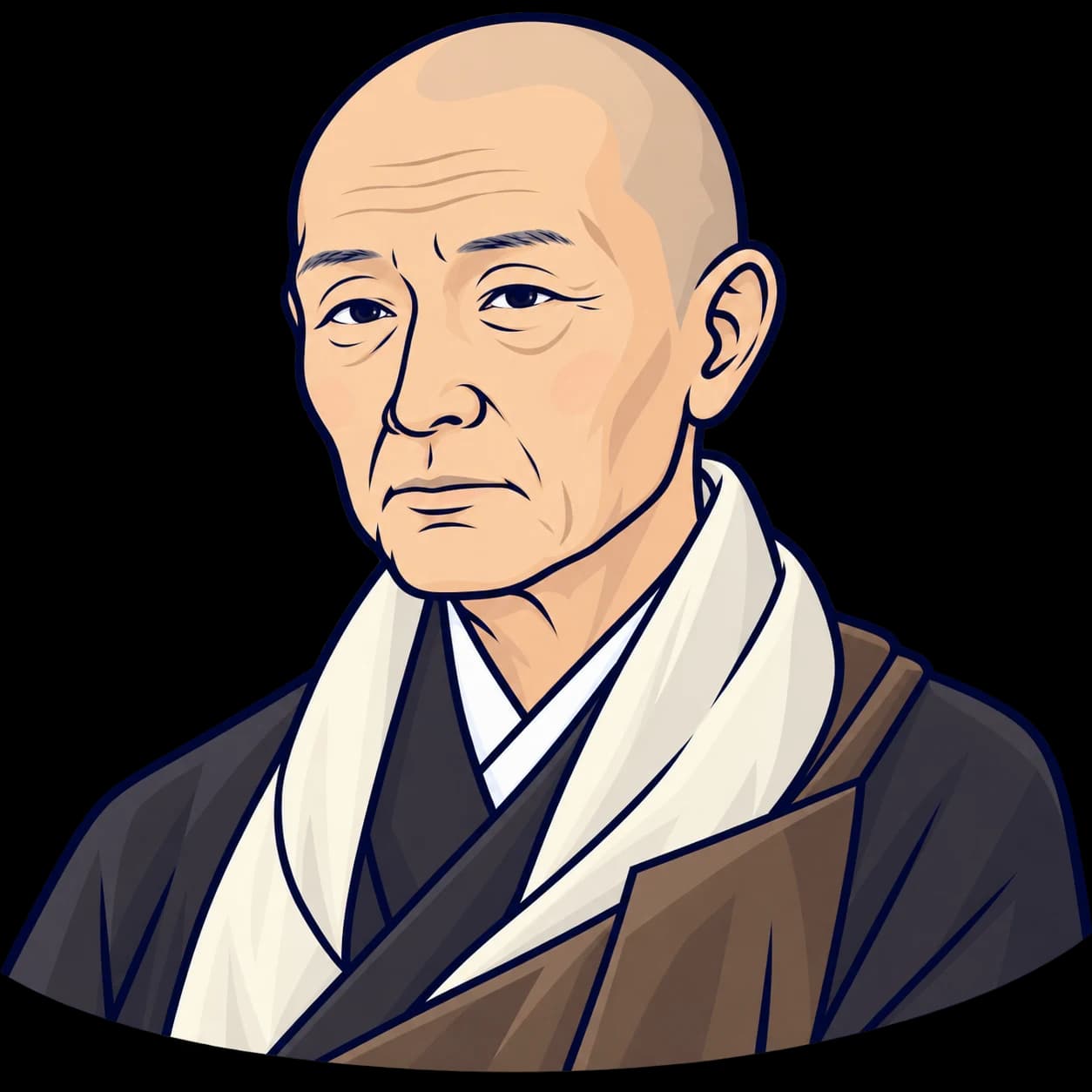
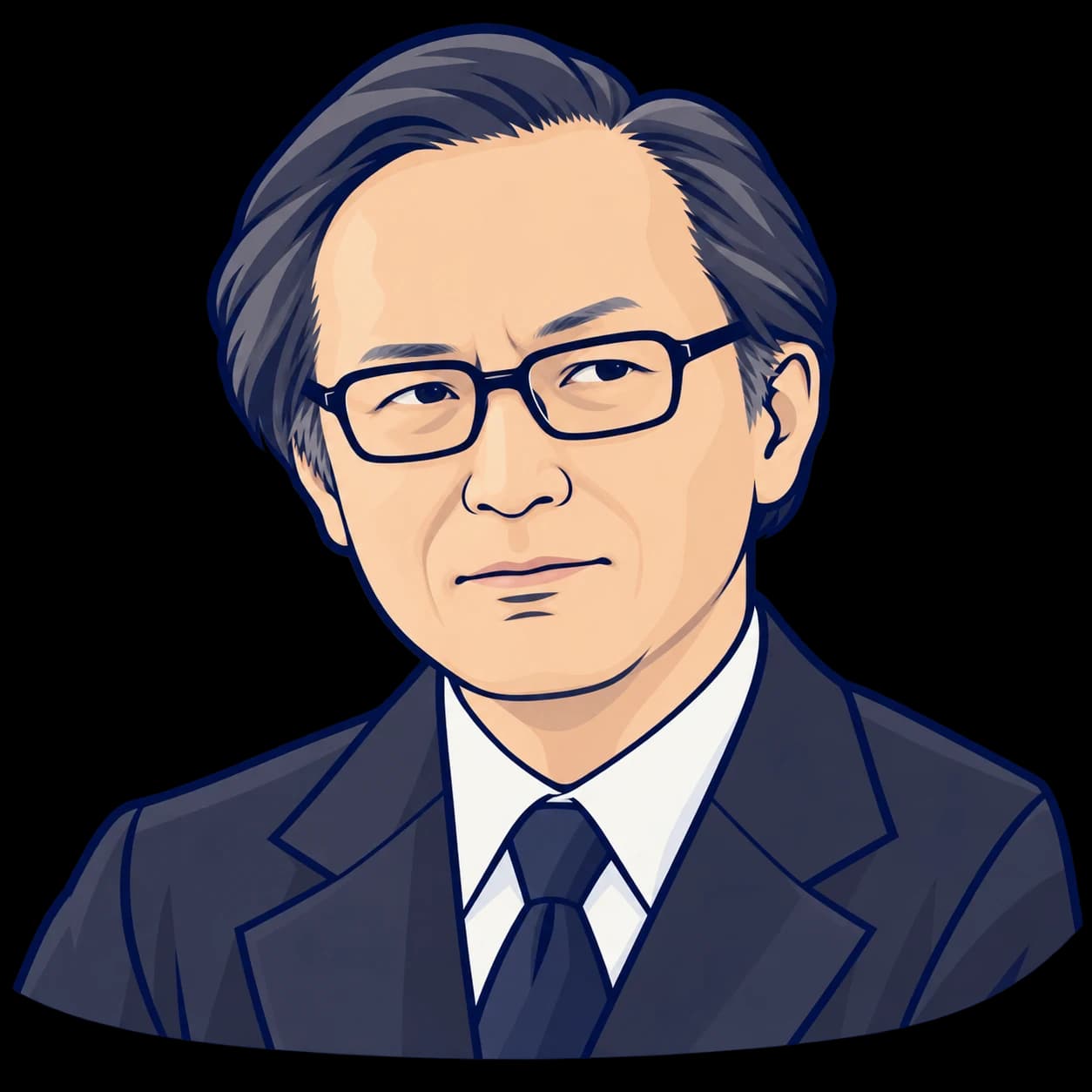
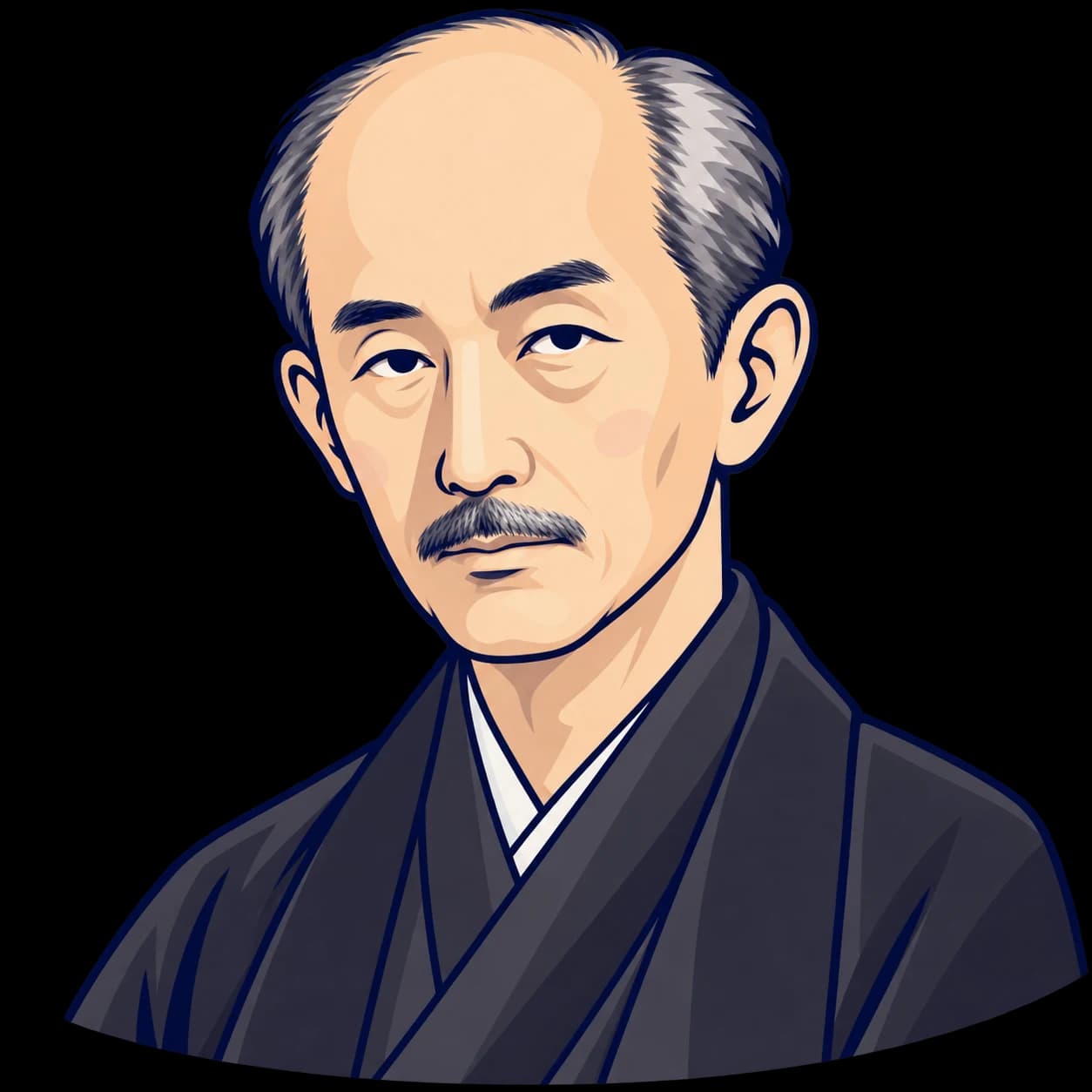


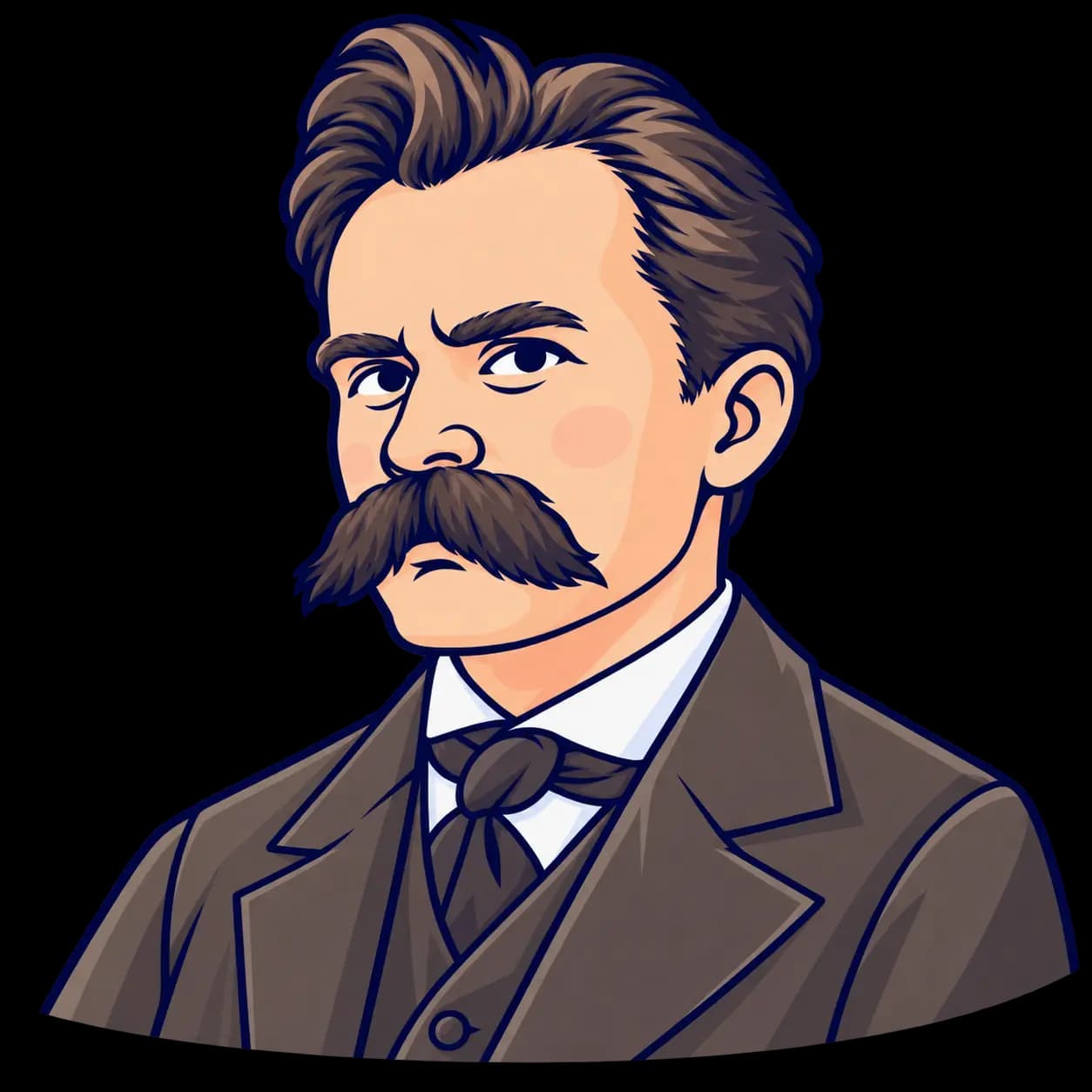
Friedrich Nietzschethought model
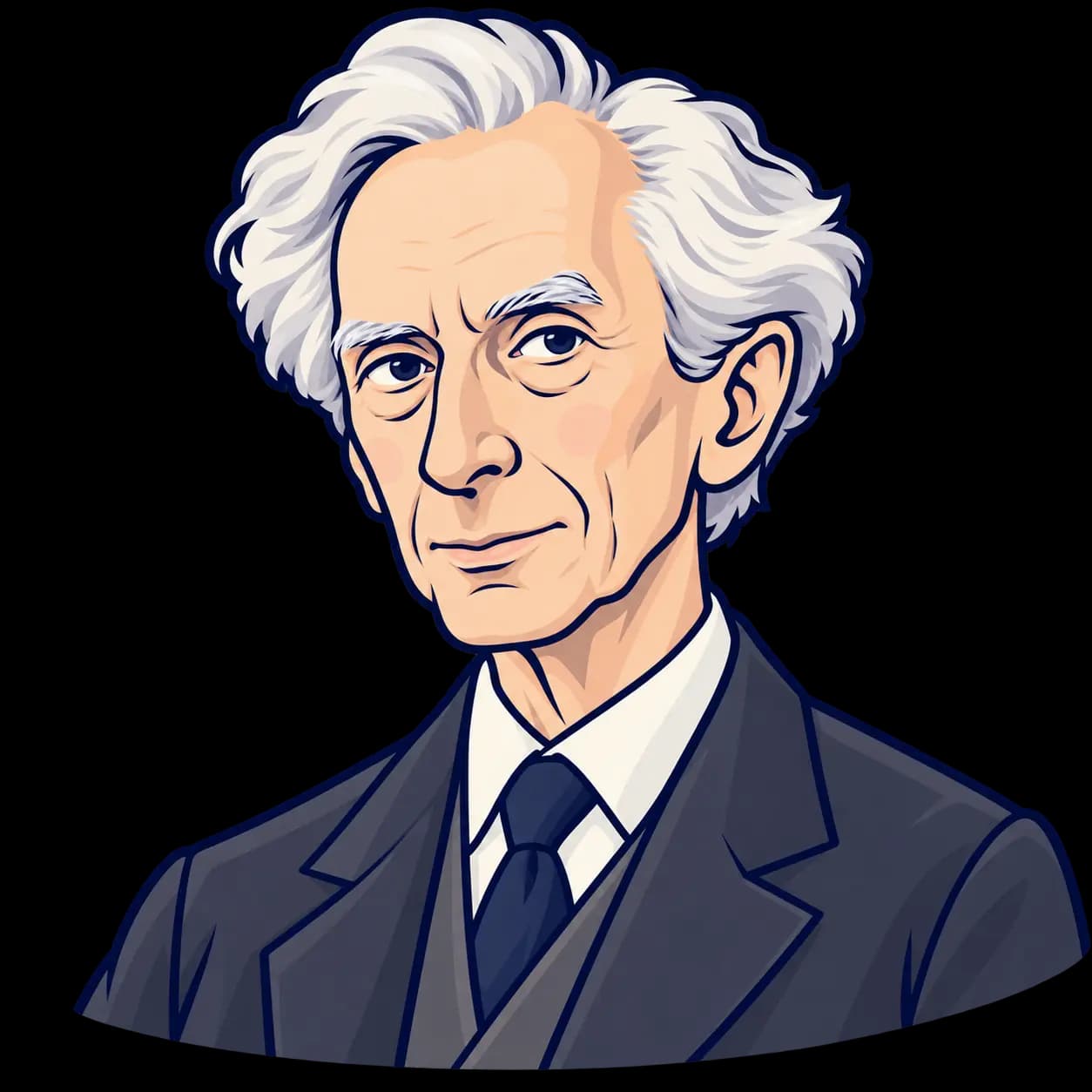
 Friedrich Nietzsche · Bertrand Russell · Confucius
Choose 1–5 thinkers
Your question stays in this browser until you continue.
PluraThink recreates patterns of thought from writers and philosophers as reasoning models, then examines your question through multiple value systems.
Four questions replayed through different councils.
I want to change direction, but I do not want to dismiss the security and responsibilities I already have. How should the value of change be compared with the reasons to stay?
Nietzsche asks whether the path enlarges a life, Russell separates reversible risk from avoidable loss, and Confucius tests the decision against responsibilities already held. Together they shift the question from courage to design: what can change without destroying what deserves to be kept? A useful next test is to compare what you would most regret three years from now under each path.
Initial engines
Germany · 1844–1900
A philosopher who sharply reexamined morality, weakness, the will to power, and self-overcoming.
United Kingdom · 1872–1970
An analytic thinker who ranged across logic, liberalism, peace, and the pursuit of happiness.
China · 551–479 BCE
The founder of the Confucian tradition, who prized ritual, humaneness, learning, and responsibility within the community.

Japan · 1909–1948
A modern Japanese writer who moved between ruin, shame, self-justification, and a desperate longing for human connection.
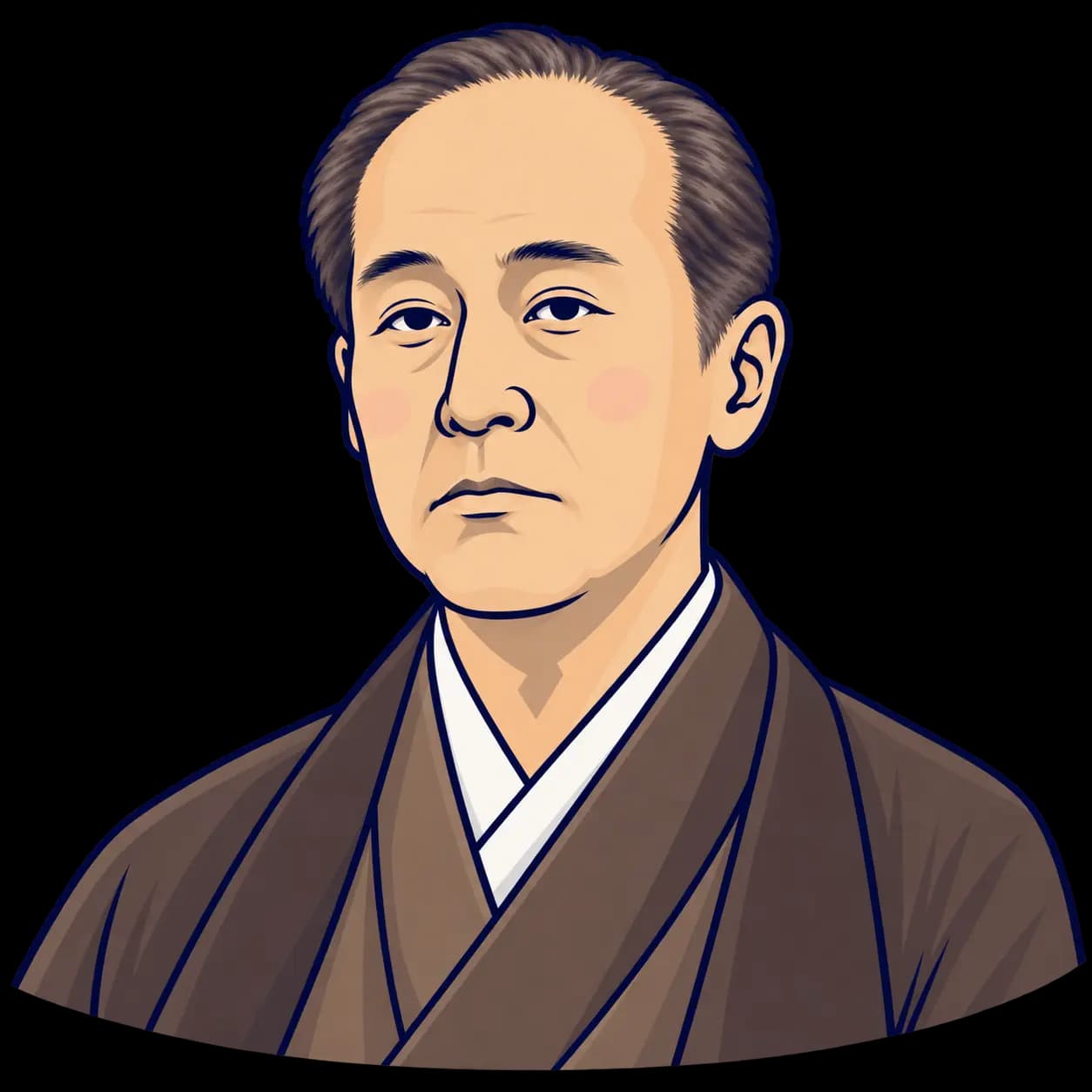
Japan · 1835–1901
A thinker who argued for independence and self-respect, practical learning, and the design of the modern individual and society.
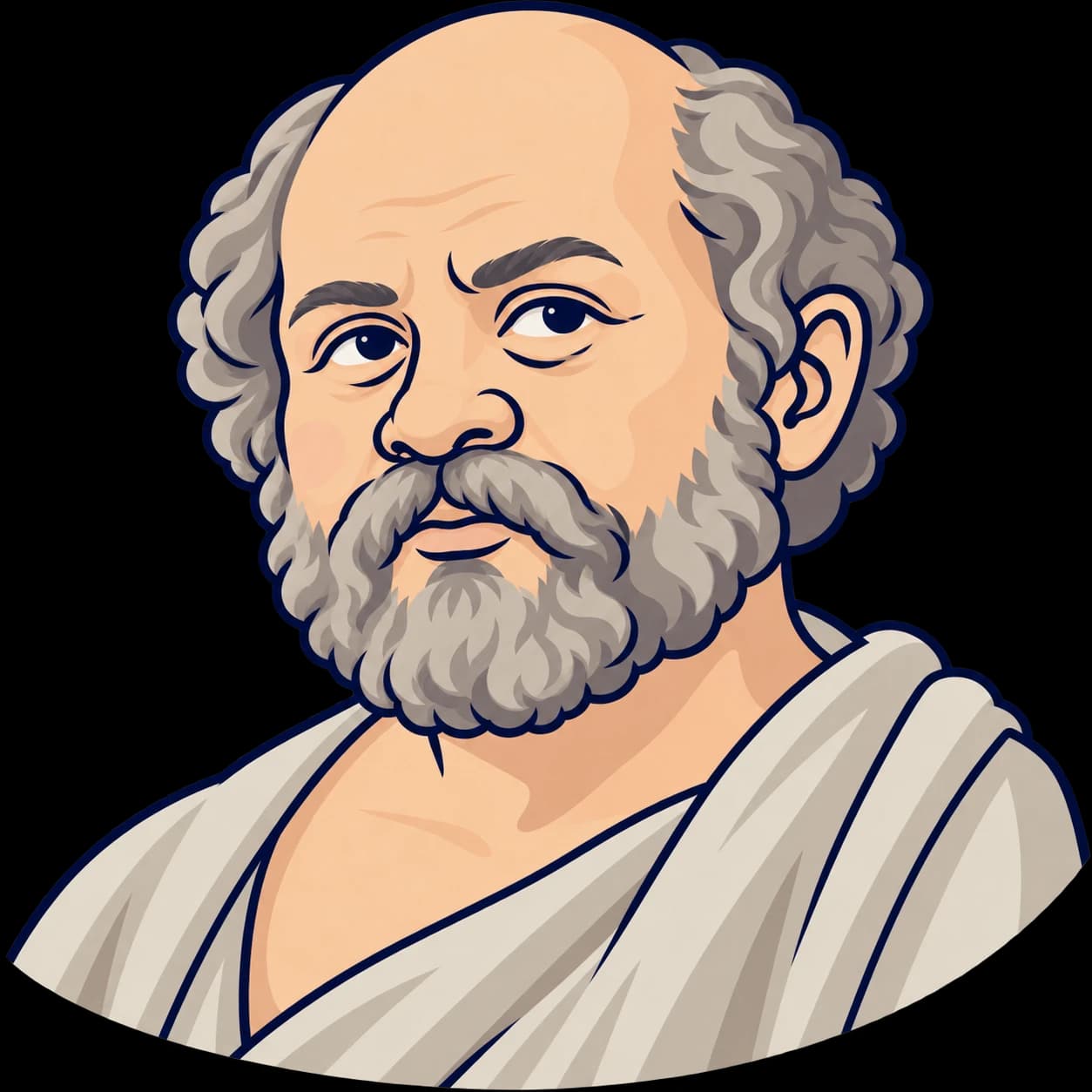
Ancient Greece · c. 470–399 BCE
A philosopher who used the method of questioning to loosen assumptions and kept asking how to live well.

China · c. 6th century BCE
The fountainhead of Daoist thought, who taught the Way, non-action, and the strength of yielding.
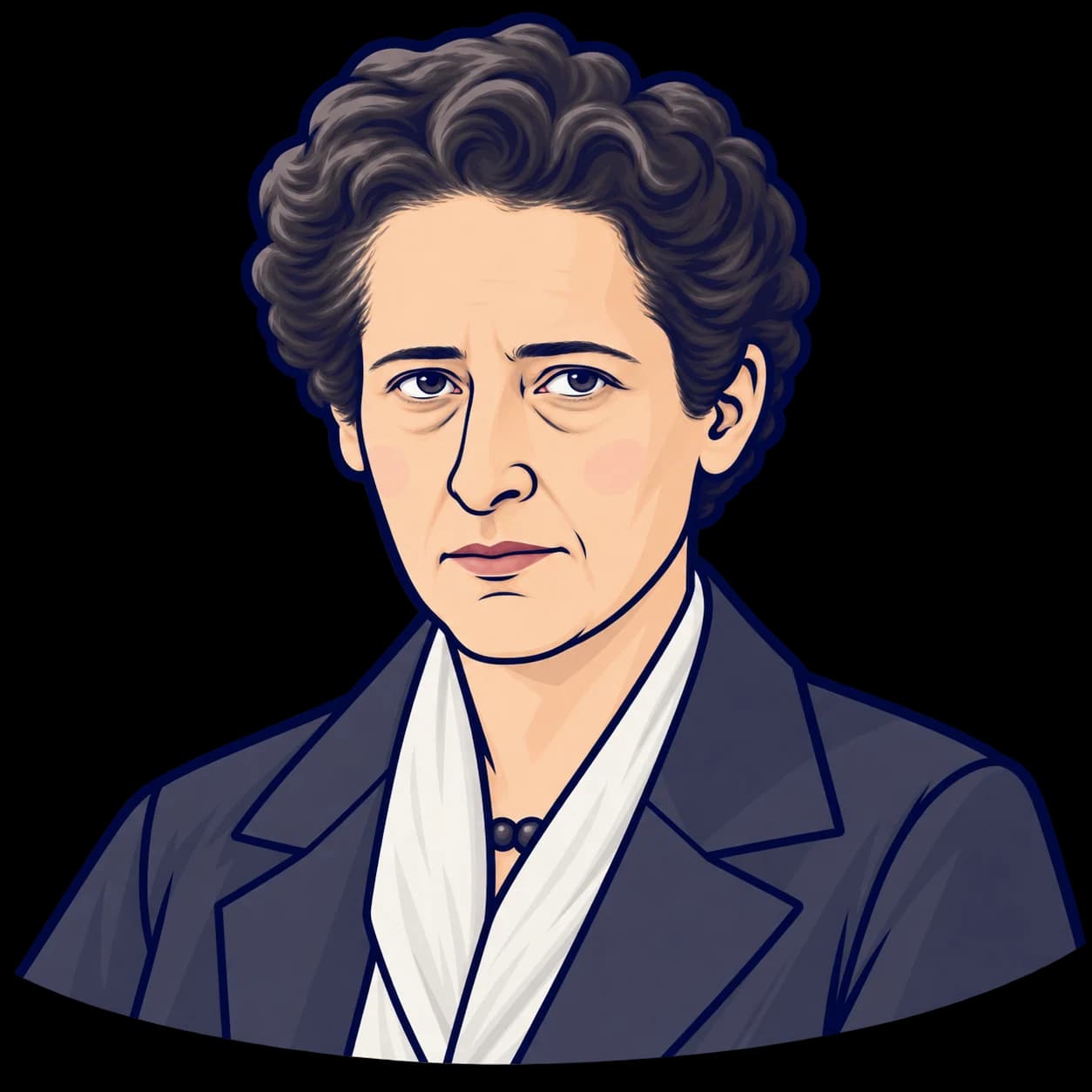
Germany / United States · 1906–1975
A political thinker who examined totalitarianism, the public realm, action, and responsibility.

India · c. 5th century BCE
The founder of Buddhism, who taught suffering, attachment, dependent origination, and the middle way.
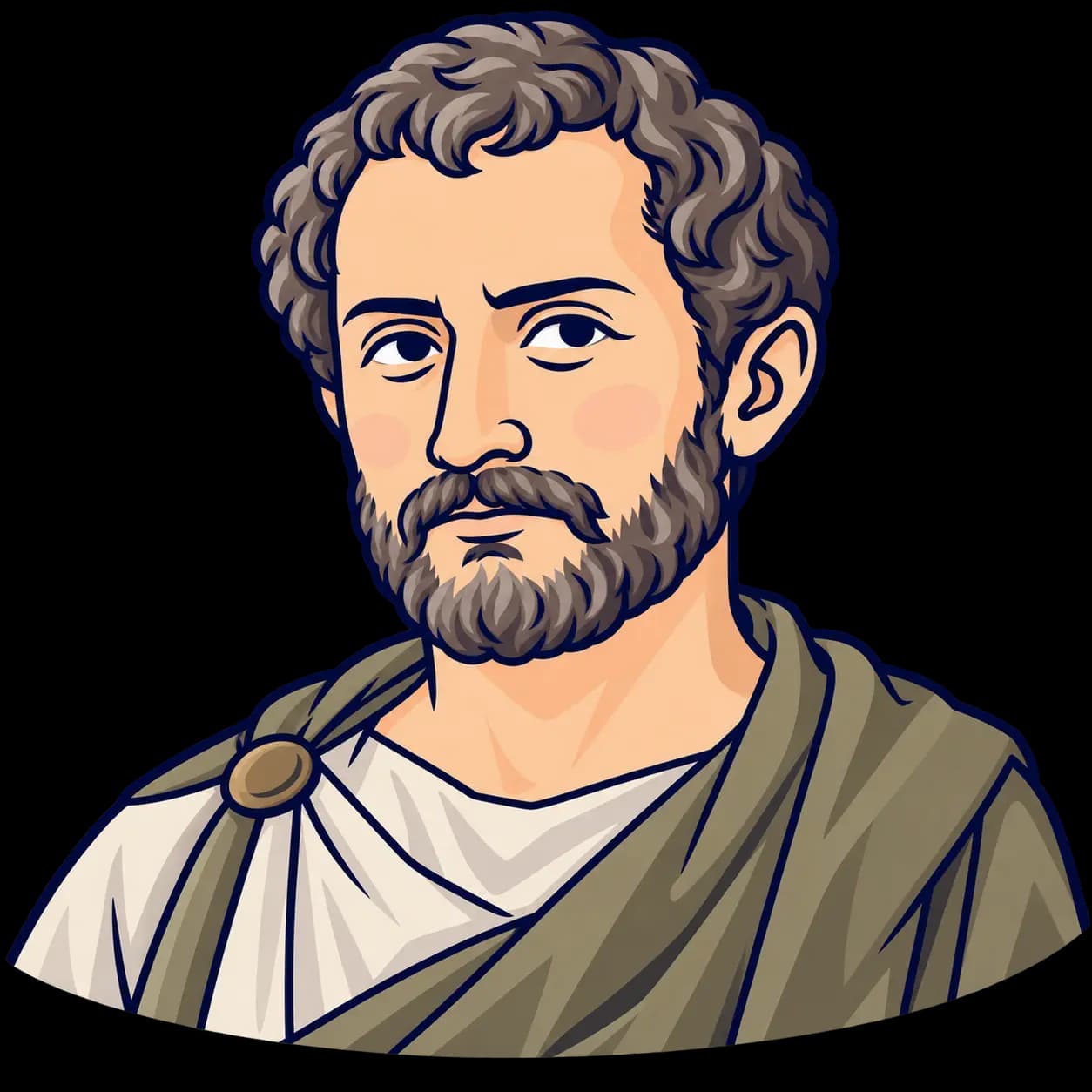
Ancient Greece · 384–322 BCE
A systematic philosopher who emphasized virtue, purpose, habit, and the mean.
Plus library
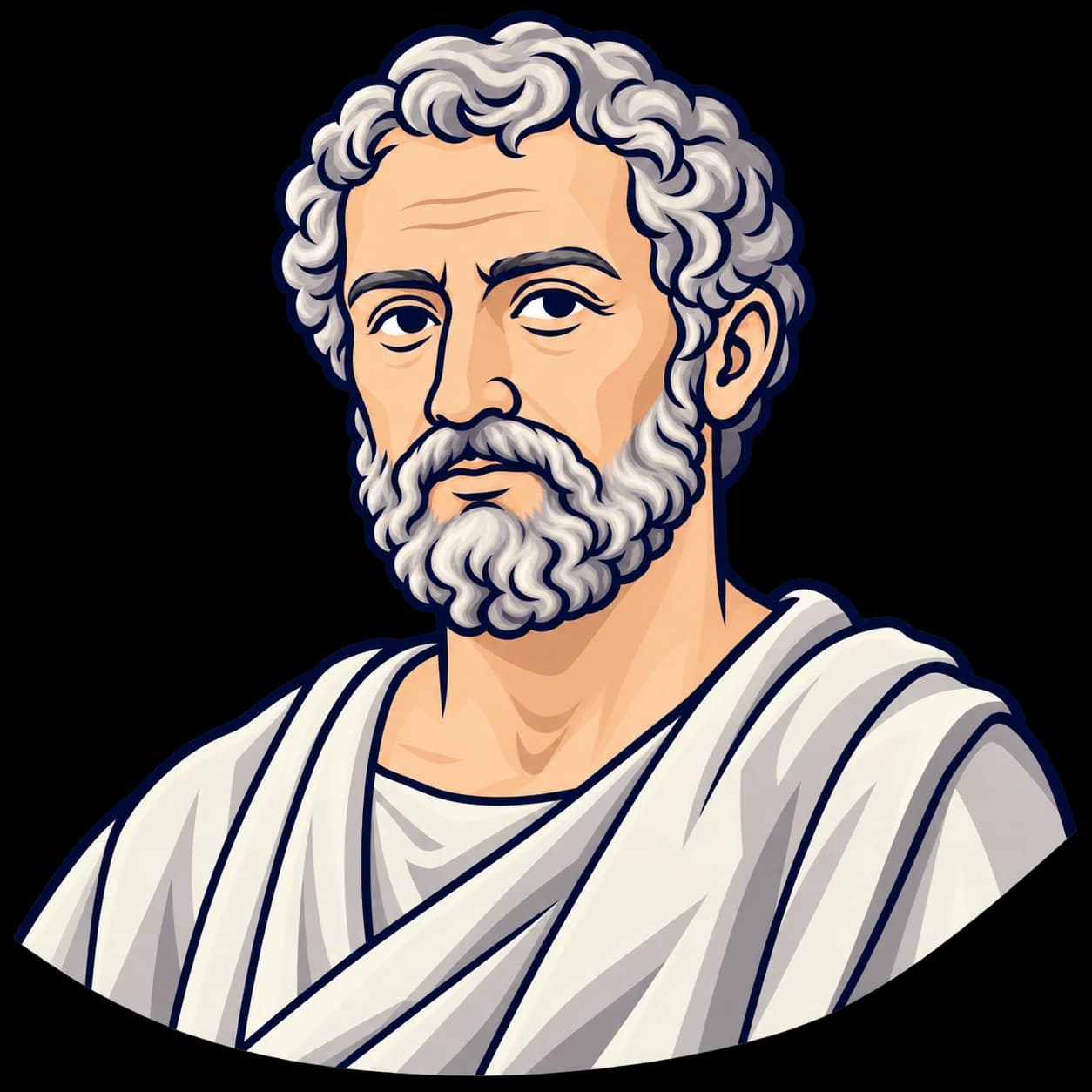
Ancient Greece · 427–347 BCE
A central figure of ancient philosophy who gave systematic shape to the Forms, the soul, the just city, and education.
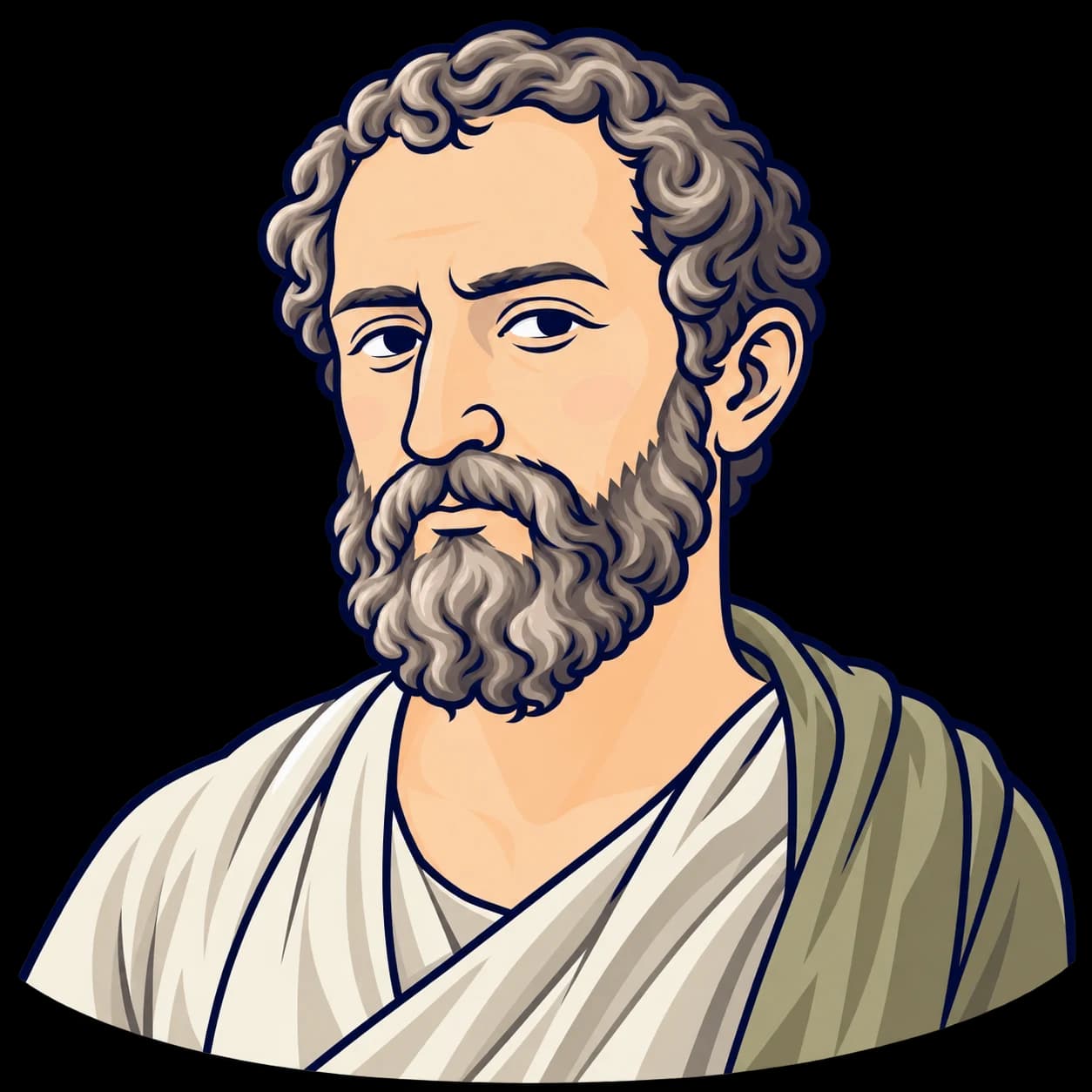
Ancient Greece · 341–270 BCE
A philosopher who understood pleasure as tranquility and the absence of fear, and taught a simple, sufficient happiness.
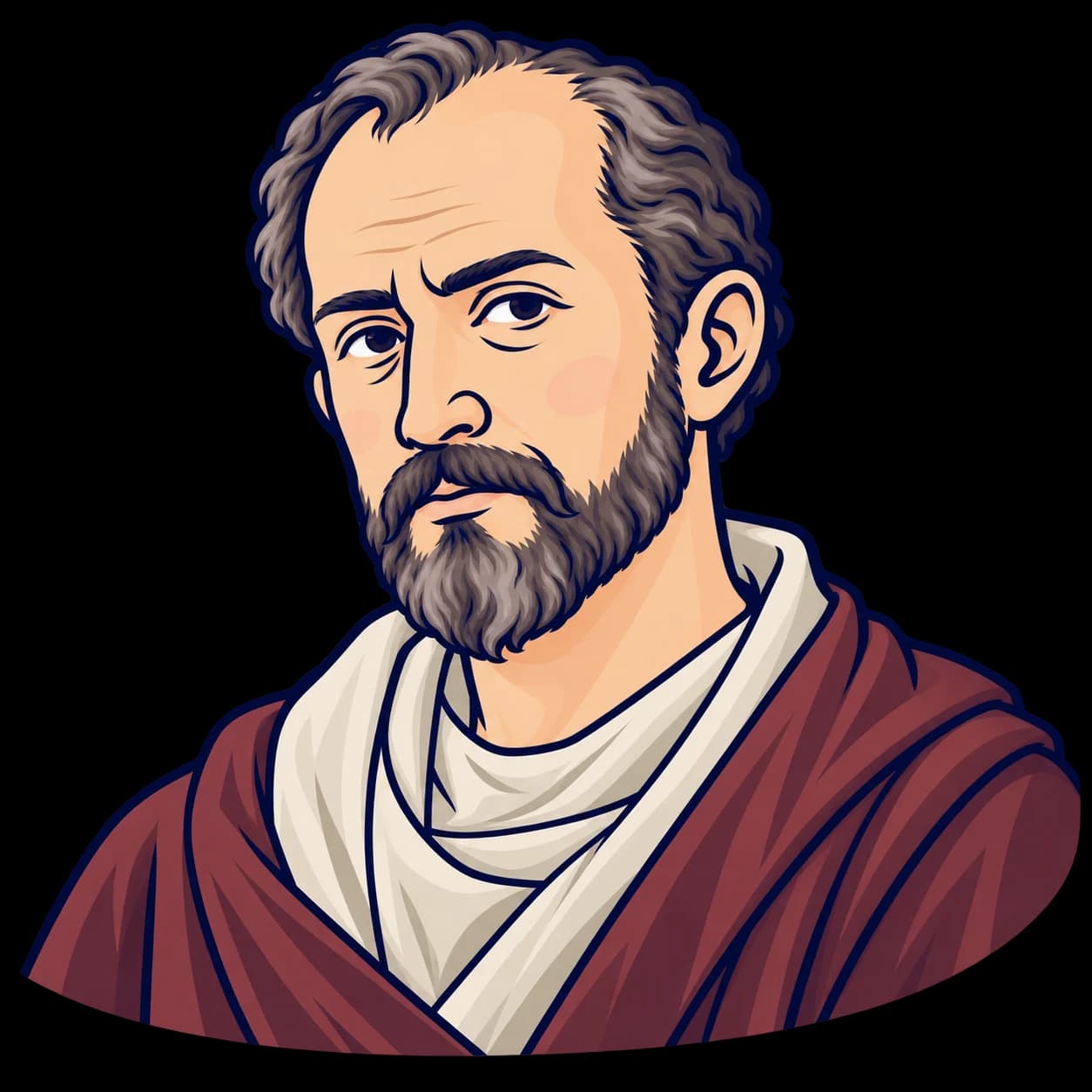
North Africa / Rome · 354–430
A Christian thinker who probed deeply into the will, love, sin, and time.
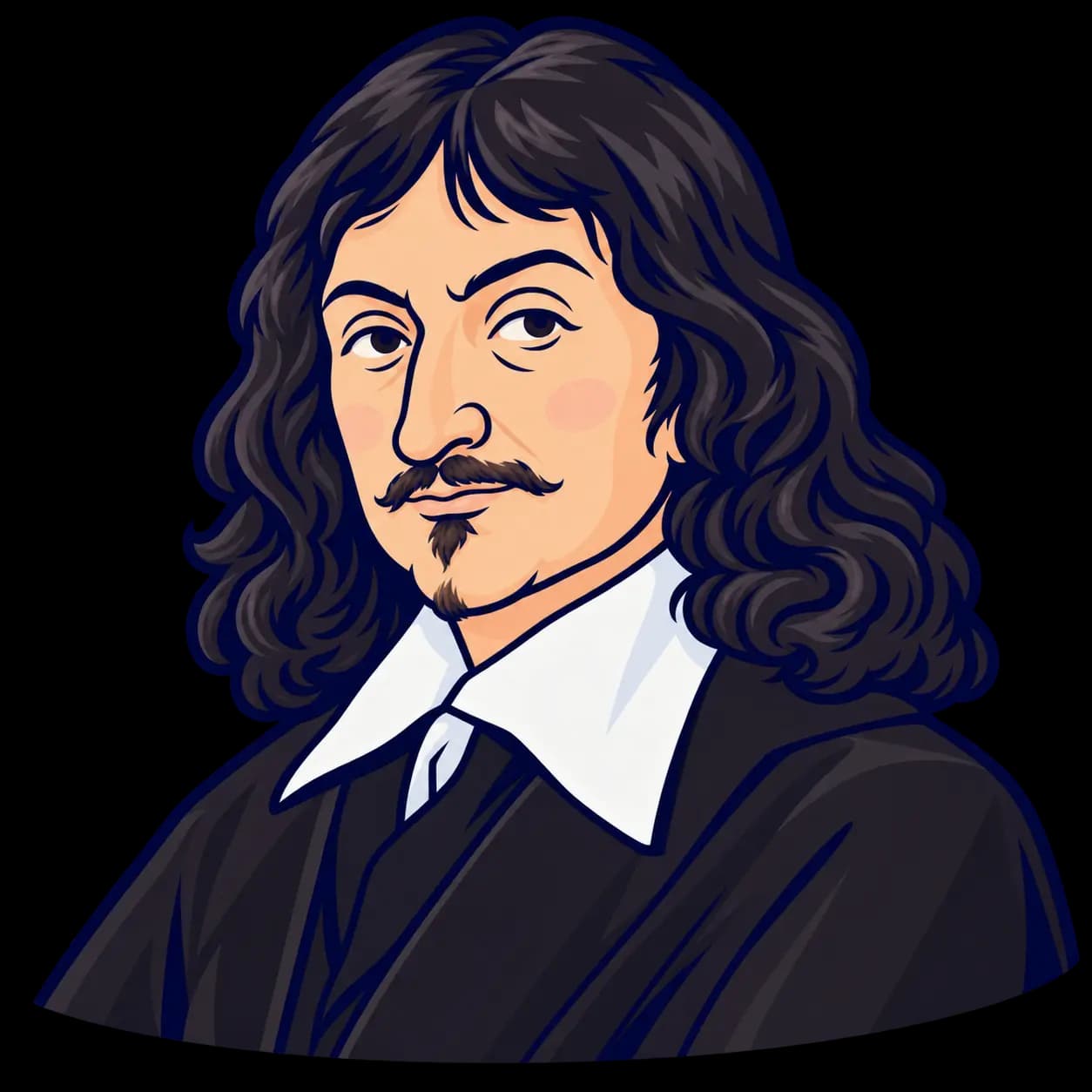
France · 1596–1650
A philosopher who founded methodical doubt and the modern thinking subject.
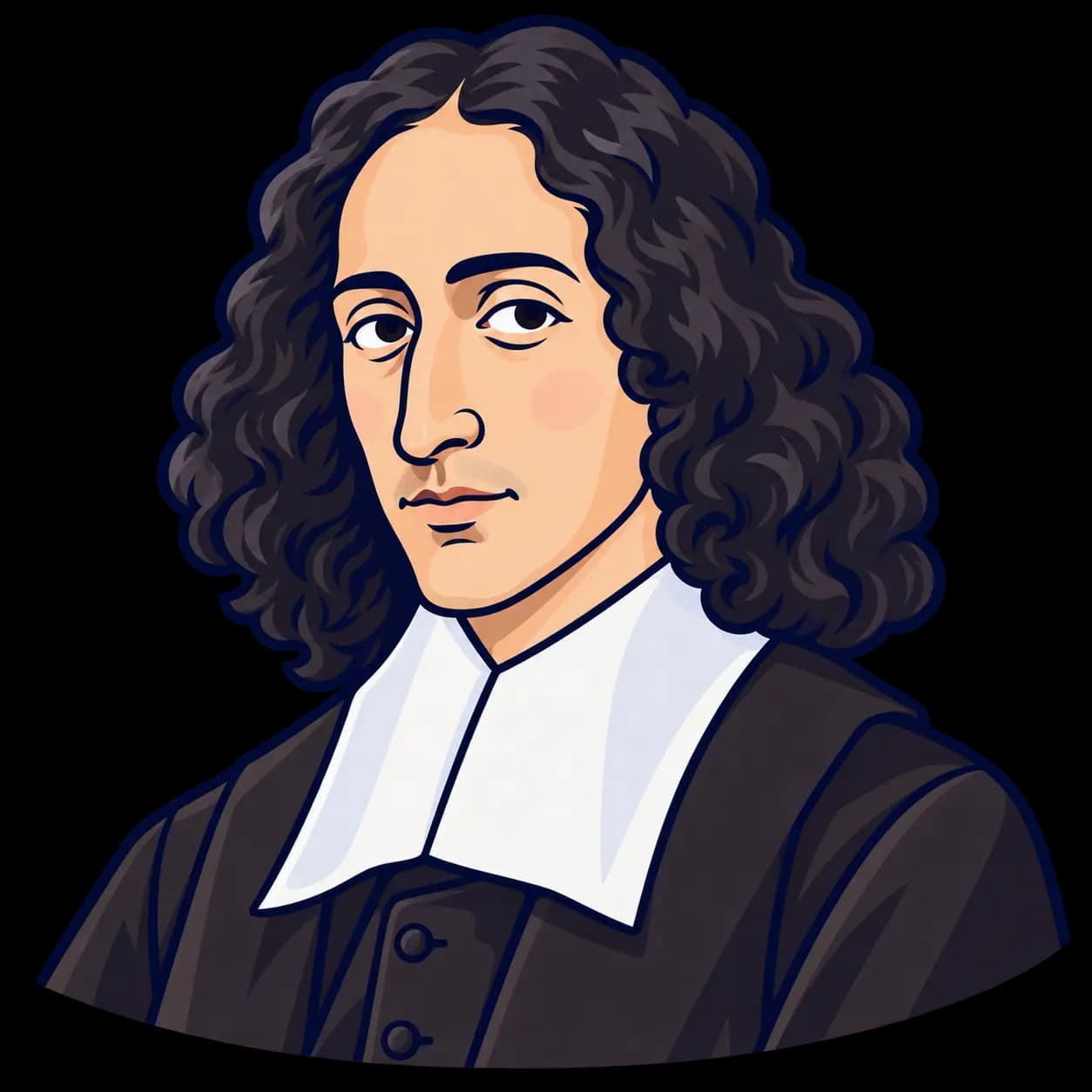
Netherlands · 1632–1677
A rationalist philosopher who reasoned about emotion, freedom, and necessity in a geometric key.
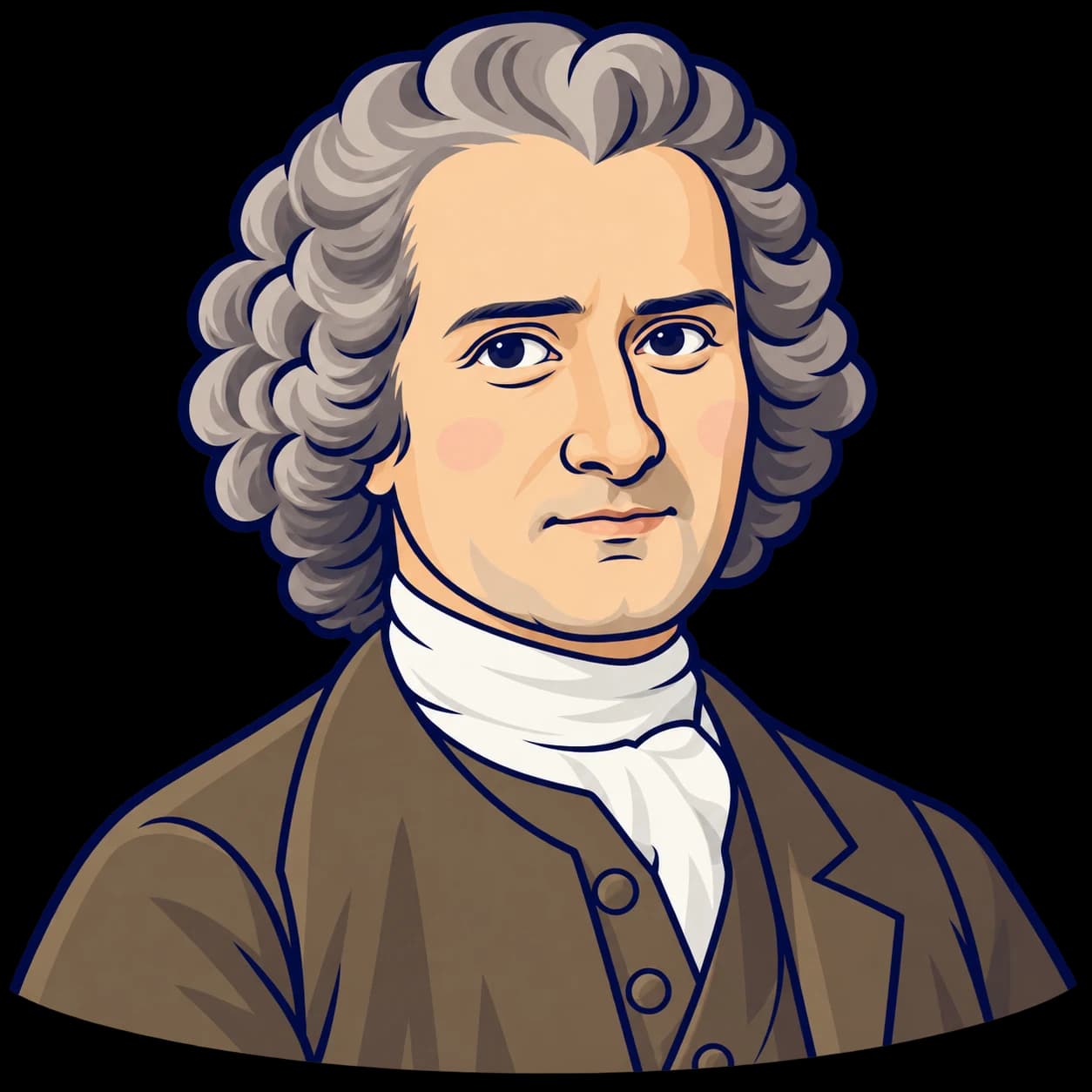
Scotland · 1711–1776
An empiricist philosopher who put his weight on experience, habit, feeling, and a good-humored skepticism.